Sanuk: The Art of Joyful Living in Thailand
Discover sanuk, Thailand's cultural philosophy where fun intertwines with daily life, work, and rituals, fostering genuine connections and joy.
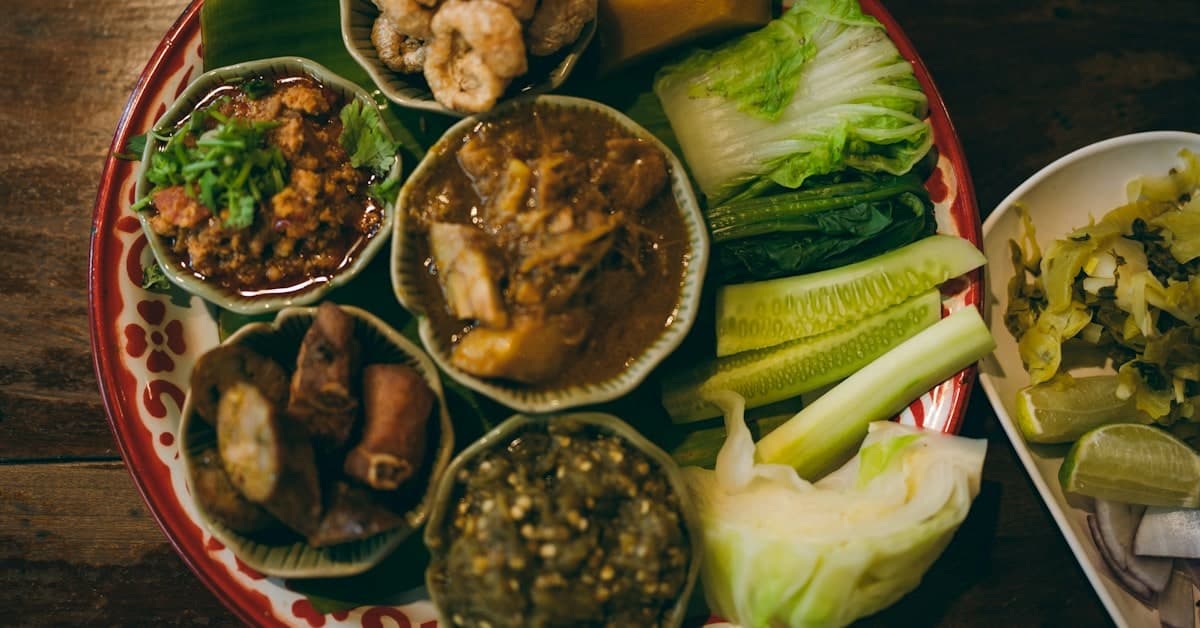
Photo by Kittitep Khotchalee on Unsplash · photo
Quick Answer
Sanuk is a Thai cultural philosophy valuing fun and joy in daily life, work, and social interactions, enhancing personal and professional relationships.
TL;DR | Quick Summary
It’s a sweltering afternoon in a bustling Bangkok street market. Vendors chat animatedly with customers, their laughter peppering the air, while a group of office workers, still in their crisp attire, indulge in a spontaneous dance to a street musician’s vibrant tunes. This isn’t a rare scene in Thailand; it’s a vivid manifestation of "sanuk" — a cultural cornerstone that elevates joy and fun to an essential social value.
Background — historical or cultural context
"Sanuk" (สนุก) is not just a word; it’s a deeply ingrained philosophy in Thai culture. Rooted in Theravada Buddhism's emphasis on the middle path and balance, sanuk extends beyond mere enjoyment. It is the art of finding pleasure and humor in life’s myriad activities. Historically, the concept can be traced back to Thailand's agrarian past, where communal farming required cooperation and a cheerful disposition to maintain harmony and productivity. This philosophy has permeated Thai society, influencing everything from religious ceremonies to business practices, reflecting a belief that life should be enjoyed, not merely endured.
What most people miss — the nuance expats should understand
While it may be tempting to equate sanuk with simple fun, expats should understand that it is a nuanced concept. Sanuk intertwines seamlessly with "ngan" (งาน), which means work, suggesting that tasks should be approached with a sense of enjoyment. This isn't about avoiding seriousness or responsibility but about ensuring that life’s duties are infused with positivity and lightheartedness. This approach fosters resilience and adaptability, promoting a community where relationships and interactions are not purely transactional but are imbued with warmth and humanity.
In daily life — concrete examples
In daily Thai life, sanuk is palpable in various contexts. At traditional events such as weddings or temple fairs, the line between ritual and play is delightfully blurred. You might witness a monk’s sermon punctuated with humor or a formal ceremony followed by hours of dancing and music. In the workplace, a Thai office might organize regular "sanuk" activities — whether through team lunches or playful competitions — to enhance camaraderie and morale. Even in family settings, mealtimes often transform into vibrant gatherings filled with storytelling and laughter, rather than rushed affairs.
In business, sanuk can influence negotiations and meetings. An expat might find that a serious discussion is often prefaced with shared jokes or light-hearted banter — not to undermine the gravity of business, but to establish an environment where collaboration thrives. Similarly, when shopping in local markets, buyers and sellers engage in playful haggling, turning a simple transaction into a shared moment of fun and social bonding.
Why it matters
For expats in Thailand, embracing the sanuk philosophy can significantly enhance personal and professional relationships. It encourages a more integrated and enjoyable approach to life, where joy is not an afterthought but a guiding principle. Understanding and appreciating sanuk can lead to a deeper connection with Thai colleagues, friends, and neighbors, enriching your experience and integration into Thai society.