The Unseen Significance of Shoes-Off Etiquette in Thailand
Discover the cultural importance behind Thailand's shoes-off etiquette in homes, offices, and temples.
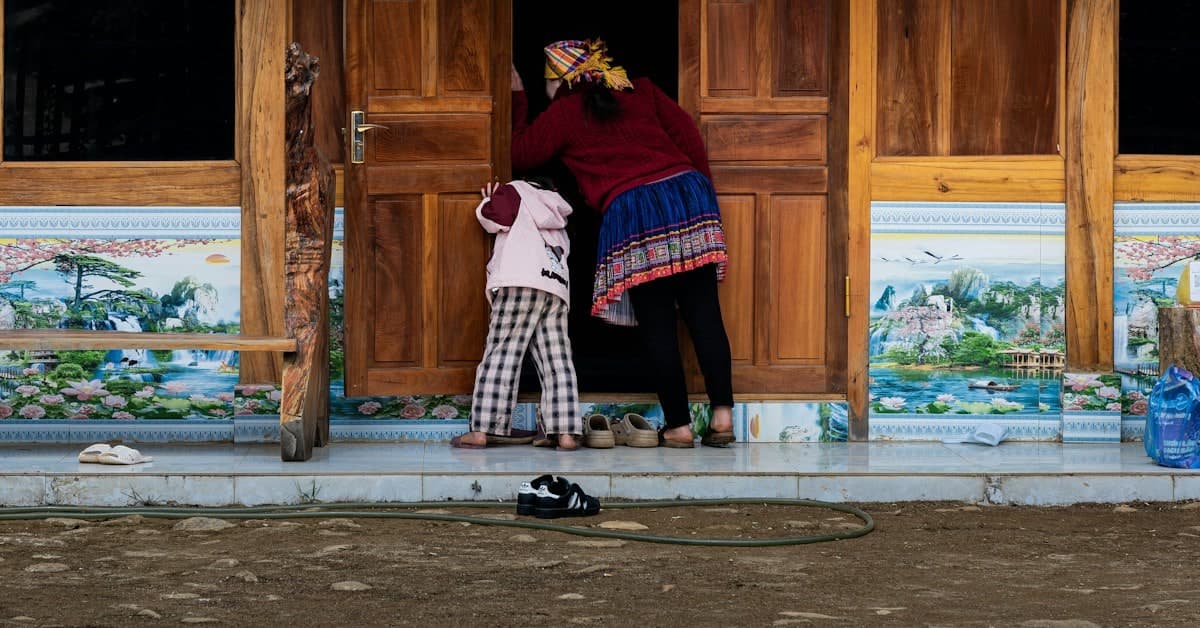
Photo by Nguyễn Đức on Unsplash · photo
Quick Answer
Removing shoes in Thailand is a sign of respect and cleanliness, rooted in cultural and spiritual beliefs, emphasizing the division between outside dirt and sacred spaces.
TL;DR | Quick Summary
In the bustling heart of Bangkok, it’s not uncommon to see a line of shoes outside a doorway, an unspoken sign of respect and cleanliness deeply ingrained in Thai culture. What often surprises newcomers is the sight of a high-powered executive stepping out of polished leather shoes before entering his office suite, or a small sign politely requesting patrons to remove their shoes before entering a bookstore or cafe.
Background — historical or cultural context
The practice of removing shoes before entering homes and certain indoor spaces in Thailand is more than just a matter of keeping floors clean. It is rooted in a complex tapestry of cultural and spiritual beliefs. Historically, this custom is linked to Buddhist traditions, which emphasize cleanliness and respect for sacred spaces. Temples, or "wats," require visitors to remove their shoes as a sign of reverence. This practice has permeated everyday life, extending the idea that the home is a sacred space deserving of respect. Furthermore, in a tropical climate where footwear can easily gather dirt and debris, it is a practical measure to maintain hygiene.
What most people miss — the nuance expats should understand
While many expats understand the basic etiquette of removing shoes, they often overlook the deeper significance of this act. In Thailand, the feet are considered the lowest and least clean part of the body, both physically and spiritually. Conversely, the head is the highest and most respected. Removing shoes is not merely about avoiding dirt but about minimizing the introduction of physical and spiritual impurity into personal and sacred spaces. This is why even in some modern, air-conditioned offices or chic boutiques, you might be asked to leave your shoes at the door.
In daily life — concrete examples
In daily Thai life, you will notice this practice in various settings. Family gatherings often see guests leaving their shoes in a neat line outside the entrance of a home. Many offices have a designated space for employees to store their shoes before transitioning into indoor slippers. Even in urban environments, such as the chic cafes of Chiang Mai or the trendy galleries of Bangkok, a sign instructing "Please remove your shoes" is not uncommon. In temples, the ritual is even more pronounced, with large racks provided for footwear outside the main halls. For newcomers, being aware of shoe etiquette can prevent awkward situations; always check for cues like shoe racks or signs before entering any building.
Why it matters
For expats, understanding and respecting the shoes-off etiquette signifies a deeper cultural respect and awareness. It helps foster goodwill and acceptance within communities and workplaces. It also prevents potentially embarrassing faux pas and demonstrates a willingness to integrate and honor local customs. Embracing this practice can smooth social interactions and open doors to more profound cultural exchanges.