The Wai: More Than Just a Thai Greeting
The wai is a nuanced Thai gesture encoding respect and hierarchy, crucial for social navigation.
Quick Answer
The wai in Thailand is more than a greeting; it encodes respect and social hierarchy through hand position and bow depth, reflecting cultural values.
TL;DR | Quick Summary
The wai, a gesture that is quintessentially Thai, is not merely a way of saying hello, but a nuanced communication tool that encodes respect and social hierarchy within its folds. Imagine finding yourself in an intricate dance of social etiquette, where the elevation of your hands and the depth of your bow can communicate volumes about your understanding of Thai culture. Misstep, and you might inadvertently convey the wrong message.
Background — historical or cultural context
The wai has deep roots in Thai culture, tracing back to the Indian Anjali Mudra, a gesture of greeting, respect, and prayer. Originating over a thousand years ago, the wai has evolved to become more than a simple greeting. In the Buddhist context, it reflects humility and respect, a cultural value that resonates deeply in Thai society. It symbolizes not just acknowledgment but a profound recognition of another person's status and role within the social fabric.
What most people miss — the nuance expats should understand
Many newcomers to Thailand might perceive the wai as a straightforward gesture akin to a handshake or a nod. However, it is far more intricate. The position of the hands, the depth of the bow, and even whether you should be initiating the wai, all depend on the relative social status of the people involved. Generally, the higher the hands and the deeper the bow, the more respect is shown.
For instance, a wai directed at a monk typically sees the fingertips touching the forehead, accompanied by a deep bow, reflecting the immense respect accorded to religious figures. In contrast, a wai to a friend might be more casual, with the fingertips at chin level. It's important to note that not everyone should be wairing everyone else; for instance, a superior in the workplace or a senior family member may not return a wai to someone junior.
In daily life — concrete examples
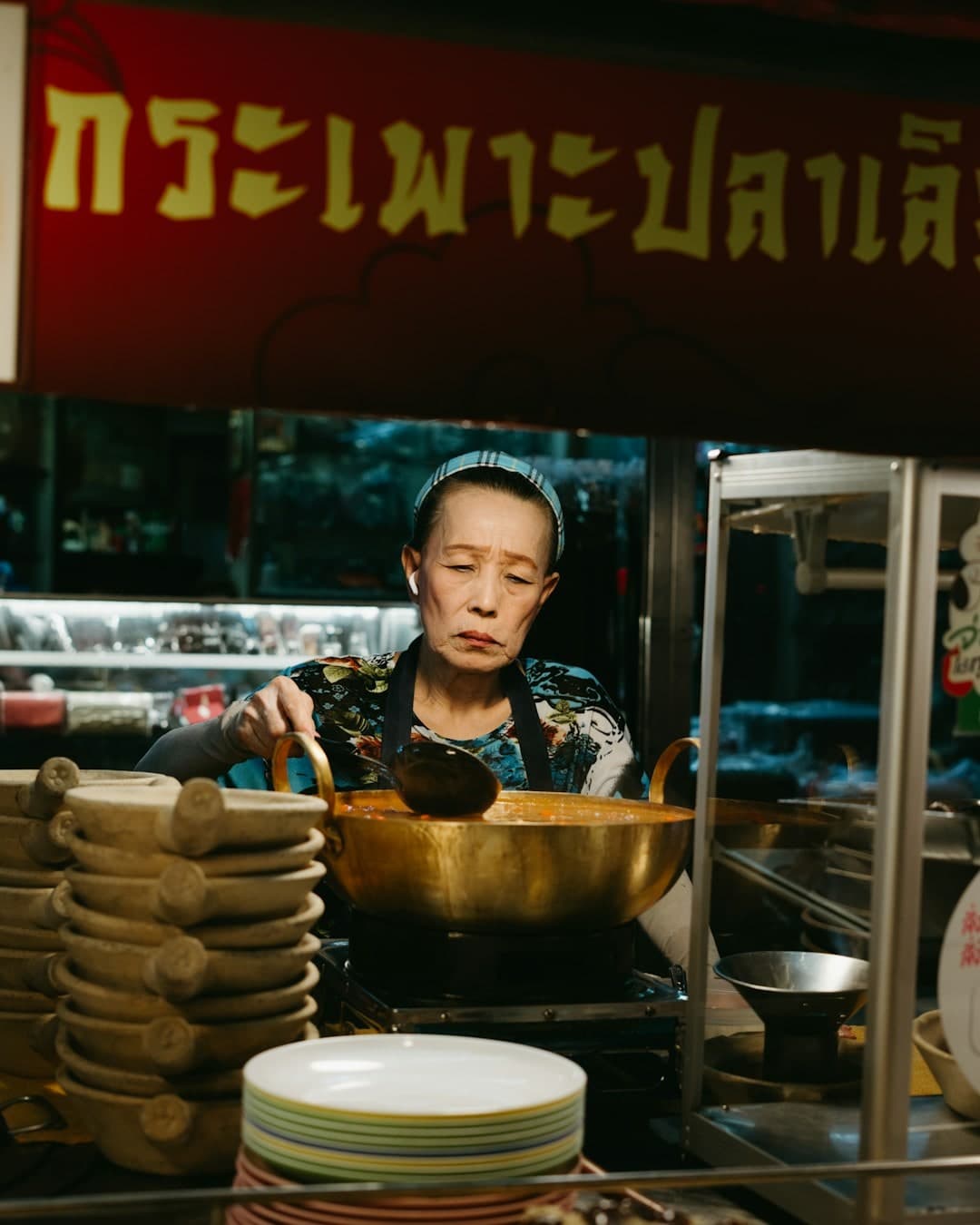
In everyday Thai life, the wai manifests in various settings. In a bustling market, a vendor might greet a customer with a wai, but the customer, especially if they are of higher social standing, may simply nod or smile in return. In an office environment, an employee would wai their boss upon arrival, with the boss acknowledging it with a slight nod.
In temples, devotees wai the monks and Buddha statues as a sign of reverence. During family gatherings, younger members wai their elders, especially during significant events like Songkran or family reunions. Each interaction is a dance of social cues and unspoken rules, shaping how respect and relationships are maintained.
Why it matters
Understanding the nuances of the wai goes beyond mere cultural appreciation; it is crucial for effective social navigation in Thailand. For expats, mastering the wai can facilitate smoother interactions, helping to build rapport and avoid potential social faux pas. It shows a deeper respect for the culture and an effort to integrate meaningfully into Thai society, which can open doors both personally and professionally.