The Profound Impact of Thailand's Sufficiency Economy
Discover how Thailand's Sufficiency Economy Philosophy shapes sustainable growth, rooted in moderation and community strength.
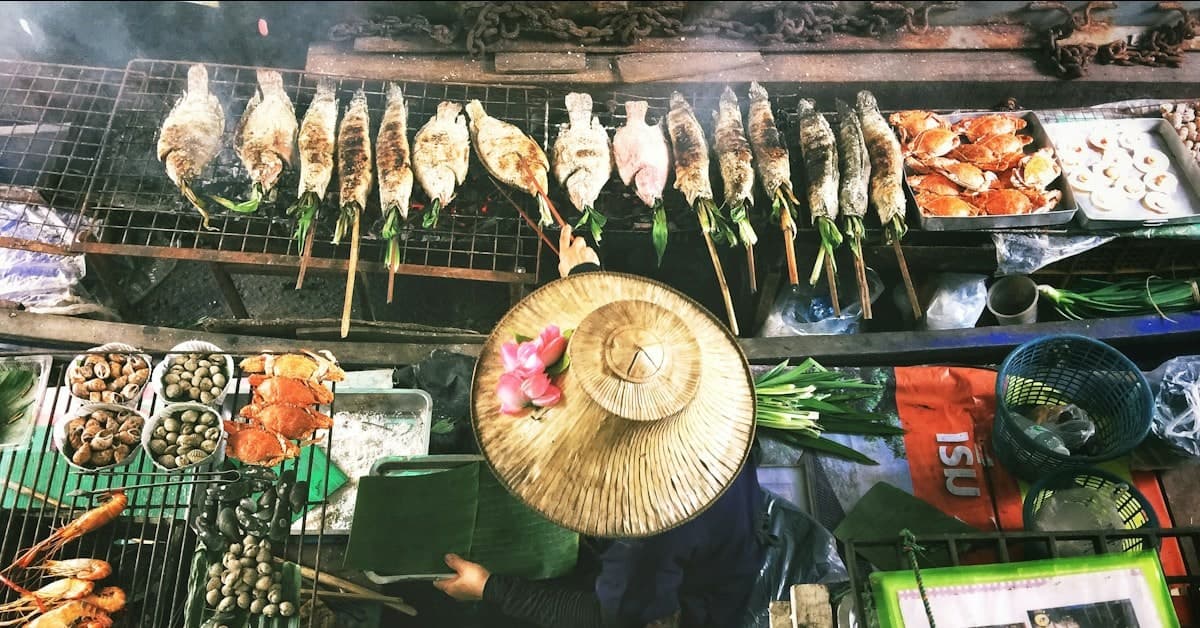
Photo by Lisheng Chang on Unsplash · photo
Quick Answer
Thailand's Sufficiency Economy Philosophy, introduced by King Bhumibol Adulyadej, emphasizes moderation, reasonableness, and resilience, promoting sustainable economic practices.
TL;DR | Quick Summary
It was the year 1997, and the Asian financial crisis was wreaking havoc on economies across the region. Yet, amidst the chaos, a seemingly paradoxical economic doctrine was gaining traction in Thailand: the Sufficiency Economy Philosophy. Even as market-driven ideologies faltered, this concept—rooted in moderation and sustainability—began to resonate, offering an alternative path forward.
Background — historical or cultural context
The Sufficiency Economy Philosophy was articulated by King Bhumibol Adulyadej, who reigned from 1946 to 2016. His vision was not just an economic model but a holistic approach to living that integrates economic, environmental, and social considerations. Drawing from Buddhist principles, it emphasizes moderation, prudence, and resilience. The philosophy gained prominence in the wake of the 1997 crisis, as Thailand sought to safeguard itself from future economic vulnerabilities. By advocating for a balanced and sustainable approach to development, King Bhumibol sought to shield his nation from the pitfalls of excessive consumerism and unbridled growth.
What most people miss — the nuance expats should understand
While it might be tempting to dismiss the Sufficiency Economy Philosophy as simply a call for frugality, its true essence is more profound. It encourages a mindset change that prioritizes long-term well-being over short-term gains. Its three core components—moderation, reasonableness, and self-immunity—serve as a guide for decision-making at every level, from individuals to national policy. Expats should recognize that this philosophy is not an anti-capitalist stance but rather a call for a more thoughtful and sustainable approach to growth. It’s about finding balance, ensuring that economic development does not compromise cultural and environmental integrity.
In daily life — concrete examples (markets, offices, temples, family, business)
The philosophy manifests in various facets of Thai daily life. In local markets, you often find vendors emphasizing local produce and traditional products, reflecting a preference for community-centric commerce. In the business realm, companies may prioritize sustainable practices, such as reducing waste and supporting local communities, over rapid expansion. For instance, some Thai businesses have adopted corporate social responsibility initiatives that align with the philosophy's principles, ensuring that their growth benefits society as a whole.
In temples, you'll notice teachings that align with the philosophy, emphasizing living within one's means and caring for the environment. Families might practice this through home gardens or community volunteering, promoting self-reliance and mutual support. Even in educational settings, students are taught to value moderation and reasonableness, fostering a future generation that sees beyond material success.
Why it matters
For expats in Thailand, understanding the Sufficiency Economy Philosophy is critical to navigating both personal and professional landscapes. It underscores a national ethos that values balance and sustainability, influencing everything from business practices to social interactions. By appreciating this, expats can better integrate into local communities and contribute constructively, embracing a Thai perspective that might offer lessons for tackling global economic and environmental challenges.