Alcohol Industry Group Criticizes Congress for Omitting Hemp THC Ban Delay from Farm Bill
Congress passed the Farm Bill without delaying the federal ban on hemp THC products, prompting the alcohol industry and hemp advocates to warn that consumers may turn to unregulated markets
Key Points
- 1The House passed the 2026 Farm Bill without provisions to delay or regulate the impending hemp THC product ban
- 2WSWA criticized the omission, warning it could drive consumers to unregulated markets without safety standards
- 3Bipartisan amendments to regulate or delay the ban were withdrawn, while a proposal to expedite recriminalization was blocked
- 4President Trump and industry groups are urging Congress to act before the ban takes effect in November 2026
- 5U.S. hemp production rose 64% in 2025, reaching $750 million in value, highlighting the sector's economic importance
A leading alcohol industry trade association has taken aim at the U.S. House of Representatives after lawmakers passed the 2026 Farm Bill without provisions to prevent the upcoming federal ban on hemp-derived THC products. The Wine & Spirits Wholesalers of America (WSWA) voiced concern that omitting language to delay or regulate the ban could drive consumers to unregulated markets, heightening safety risks. The House passed H.R.7567 by a 224-200 vote, a bill that does reduce some regulatory burdens for industrial hemp producers but leaves the scheduled ban on hemp THC products unaddressed
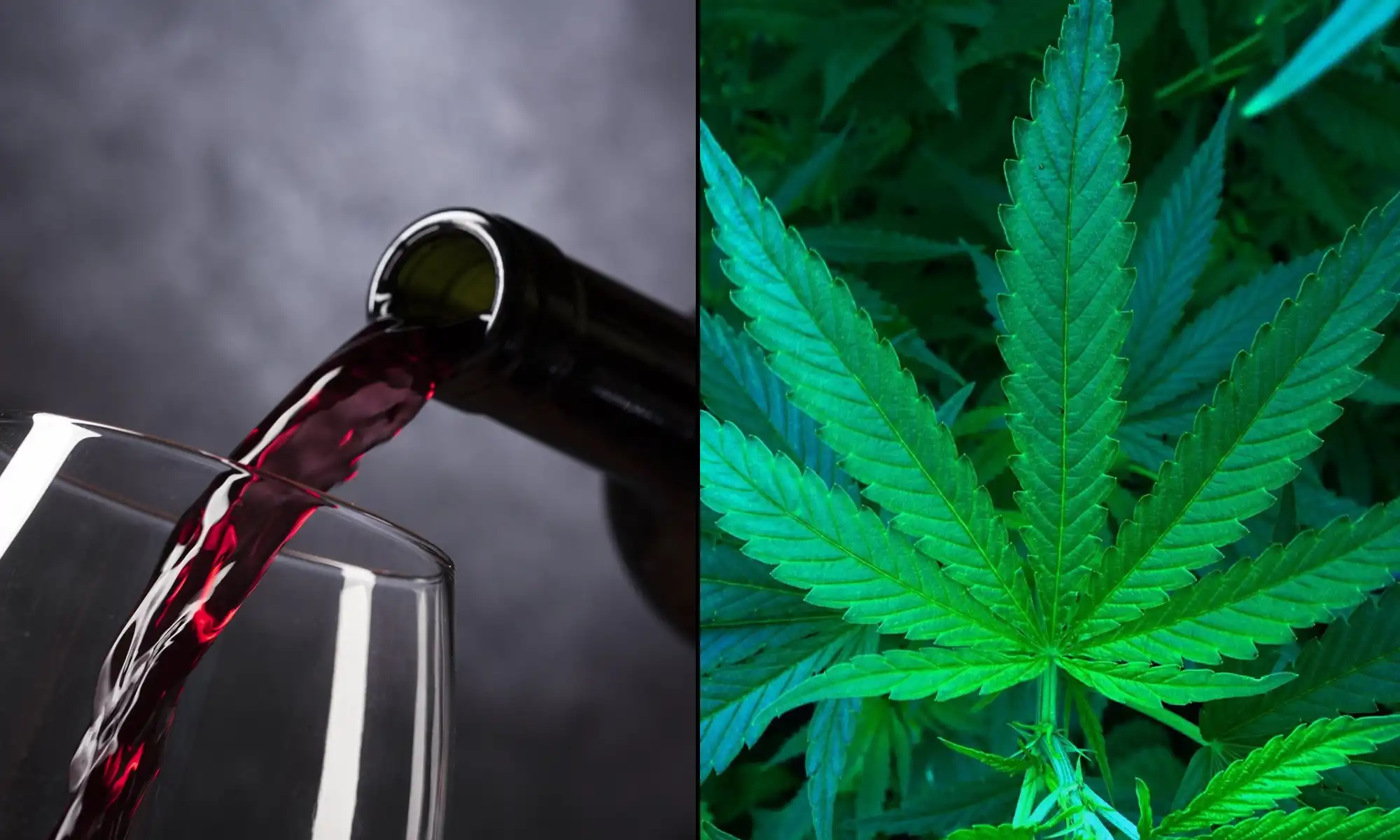
WSWA’s executive vice president of government affairs, Dawson Hobbs, emphasized the risks of prohibition, stating, “A ban will not remove these products from the market—it will push consumers toward unregulated, online channels with no age verification, no product standards and no accountability.” He further argued that the alcohol industry’s regulatory framework could serve as a model for hemp drinks, noting, “The alcohol industry has 90 years of experience proving that responsible regulation works.” The group is now urging the Senate to act before the November 2026 ban takes effect, advocating for a federal framework that protects consumers instead of outright prohibition
Efforts to delay or regulate the ban faced setbacks in the House, as bipartisan amendments were withdrawn for undisclosed reasons and a proposal to expedite recriminalization was blocked from floor consideration. The 2018 Farm Bill had legalized hemp derivatives with less than 0.3% delta-9 THC by dry weight, but new legislation signed late last year by President Trump will redefine hemp, allowing only products with 0.4 milligrams of total THC per container after November 12, 2026. While the current Farm Bill includes measures to support industrial hemp for fiber and grain, advocates warn that the lack of clarity on THC products leaves both businesses and consumers in limbo
The debate has drawn in a broad coalition of stakeholders, including newly formed groups like the Beverage Alcohol Merchants Coalition (BAMCO) and major retailers such as Target, which recently expanded its lower-potency hemp edible offerings in Minnesota. Meanwhile, the White House has engaged in discussions with lawmakers on potential legislative solutions, with officials providing policy suggestions to address the statutory definition of hemp-derived cannabinoid products. President Trump himself has called on Congress to ensure continued access to full-spectrum CBD products, stating, “We must get this done RIGHT and FAST, especially for those who saw that CBD helps them.”
Market data underscores hemp’s growing economic significance, with U.S. farmers producing $750 million worth of hemp crops in 2025, a 64% increase over the previous year, according to the Department of Agriculture. Federal agencies are moving to expand access, as seen in the recent CMS initiative to cover up to $500 of hemp-derived products for eligible Medicare patients. At the same time, regulatory uncertainty persists, with anti-marijuana groups challenging Medicare coverage and the FDA clarifying its approach to enforcement. As the Senate prepares to consider its own Farm Bill, industry advocates are hoping for amendments that would avert the impending ban and establish a regulatory pathway for hemp-derived THC products
From the OG Lab editorial perspective, the exclusion of hemp THC regulation from the Farm Bill signals ongoing volatility for hemp businesses and consumers alike. As the Senate takes up its version, the industry will be watching closely for any provisions that could stabilize the market and clarify the future of hemp-derived cannabinoids in the U.S. This pivotal moment could shape the regulatory and commercial landscape for years to come