DEA Classifies HHC as Schedule I Drug, Escalating Federal Crackdown on Hemp Cannabinoids
The DEA’s immediate classification of HHC as a Schedule I drug introduces new enforcement risks for manufacturers and distributors, intensifying the legal uncertainty surrounding hemp-derived cannabinoids across the United States
Key Points
- 1The DEA has assigned HHC a specific Schedule I drug code (7220) effective immediately
- 2The rule was issued as a technical amendment with no public comment period
- 3Legal experts argue the rule may conflict with federal appellate decisions protecting some hemp-derived cannabinoids
- 4State laws permitting HHC remain in effect for intrastate commerce, but federal enforcement risks increase for interstate shipments
- 5A federal provision coming into force in 2026 will impose a strict THC limit on legal hemp products, threatening the current market for hemp-derived cannabinoids
The U.S. Drug Enforcement Administration (DEA) has officially designated hexahydrocannabinol (HHC) as a Schedule I controlled substance, issuing a new drug code—7220—that takes effect immediately. The move, published as a final rule in the Federal Register, bypassed the usual public comment period and was described by the agency as a “technical amendment.” According to the DEA, HHC has always been illegal under existing Schedule I controls for tetrahydrocannabinols, but this step provides greater administrative clarity and enforcement power over HHC manufacturers and distributors
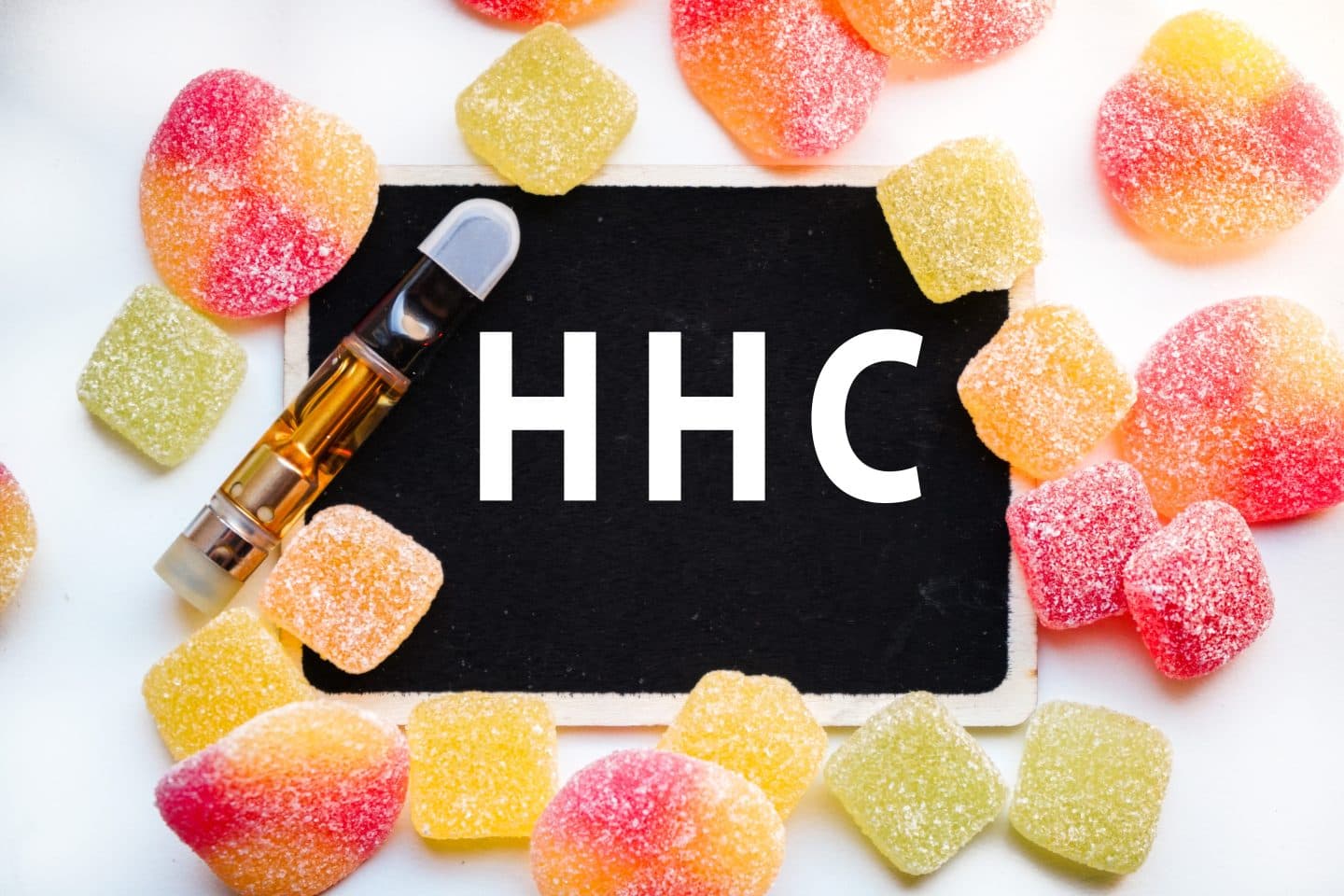
HHC has become a staple in the gas-station and smoke-shop market, appearing in products such as vapes, gummies, and pre-rolls over the past three years. Although it occurs naturally in cannabis only in trace amounts, most commercial HHC is synthesized by hydrogenating CBD derived from hemp. This process, industry operators argue, places HHC within the legal protections of the 2018 Farm Bill, which legalized hemp-derived cannabinoids. However, the DEA has consistently rejected this interpretation, insisting that "tetrahydrocannabinols produced through chemical conversion, even when hemp derived are considered synthetically produced for purposes of the CSA, do not qualify as ‘tetrahydrocannabinols in hemp’ under the AIA.”
Legal experts contend that the DEA’s new rule may not withstand judicial scrutiny. Paula Savchenko, founding partner at Cannacore Group and PS Law Group, told High Times, “The rule is vulnerable to challenge because it conflicts with recent appellate decisions such as AK Futures and Anderson v. Diamondback, which interpret the Farm Bill to include hemp-derived cannabinoids even if converted.” She also noted that the DEA skipped the standard notice-and-comment process, potentially overstepping its authority in light of recent Supreme Court decisions limiting agency powers. This procedural controversy could open the door for legal challenges from industry stakeholders
The immediate impact of the rule falls hardest on interstate commerce. While several states allow HHC or have not specifically banned it, the federal designation means that brands shipping HHC across state lines, manufacturers sourcing from other states, and distributors using national logistics networks now face increased risk of federal enforcement. Savchenko clarified, “HHC may still be permitted under the laws of certain states that have permitted it or not expressly prohibited it; however, such legality is limited to intrastate activity and does not mitigate the heightened risk of federal enforcement or restrictions on interstate commerce.”
This regulatory shift is part of a broader federal overhaul of cannabis and hemp policy. A provision in last year’s federal spending bill will redefine legal hemp products starting November 12, 2026, imposing a strict cap of 0.4 milligrams of total THC per container—a threshold that would eliminate most current hemp-derived cannabinoid products. Meanwhile, ongoing moves to reschedule marijuana under the Controlled Substances Act promise new opportunities for state-licensed cannabis operators but leave hemp-derived cannabinoid businesses in regulatory limbo. From the OG Lab newsroom perspective, the DEA’s HHC ruling signals an accelerating federal crackdown on the hemp-derived grey market, setting the stage for legal battles and a major industry realignment ahead of the 2026 federal deadline