Harvard Physician Releases Guide on Cannabis Use for Seniors to Address Polypharmacy Risks
Harvard physician Dr. Peter Grinspoon has released a comprehensive book guiding seniors on cannabis use to reduce reliance on multiple prescription drugs, addressing a critical need for credible information in this growing demographic
Key Points
- 1Dr. Peter Grinspoon's new book targets seniors interested in cannabis as an alternative to prescription medications
- 2The guide addresses polypharmacy risks and provides practical advice on dosage, interactions, and product selection
- 3Medical experts endorse the book's balanced approach, emphasizing both benefits and potential harms of cannabis use in older adults
- 4The book fills a gap in credible, evidence-based cannabis information for seniors and their caregivers
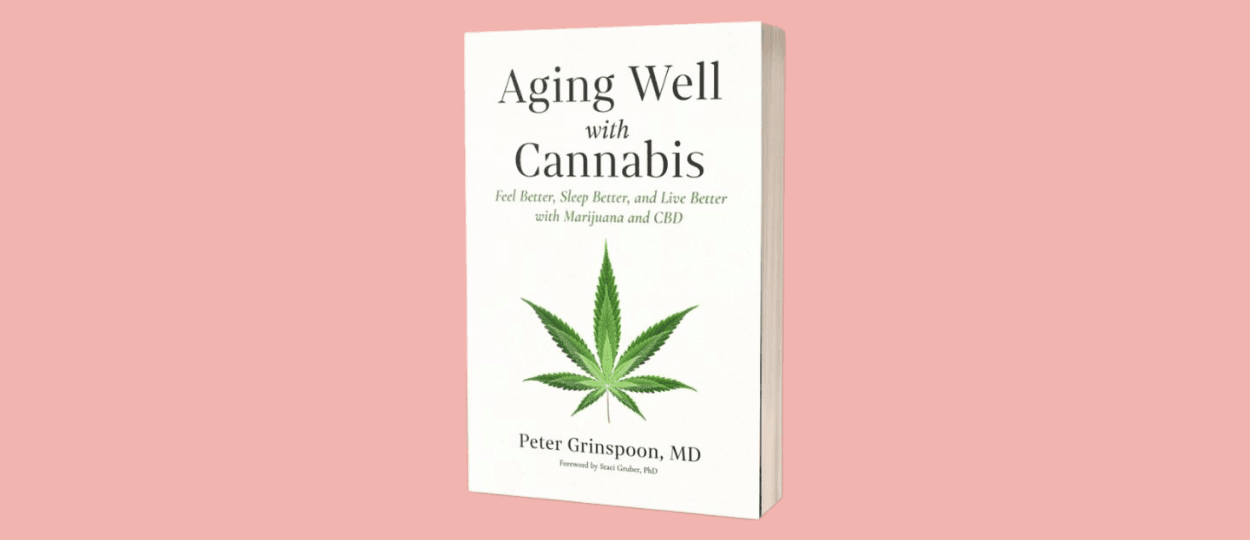
A new book by Dr. Peter Grinspoon, "Aging Well with Cannabis: Feel Better, Sleep Better, and Live Better with Marijuana and CBD," has been published to address the growing interest among seniors in using cannabis as an alternative to multiple prescription drugs. With over 60 million Americans aged 65 and older—many of whom manage complex medication regimens—the book arrives at a critical moment for a rapidly expanding demographic. The publication, released by Sterling Ethos, is specifically designed for older adults and their caregivers, providing a mainstream, evidence-based guide to cannabis and CBD
Dr. Grinspoon, a physician at Massachusetts General Hospital and instructor at Harvard Medical School, positions cannabis as an 'exit drug' rather than a so-called gateway substance. This perspective is echoed by Dr. Mikhail Kogan, chief medical officer at GW Center for Integrative Medicine, who endorsed the book by stating, "In my work as an integrative geriatrician, I have seen firsthand that, when used thoughtfully, cannabis can serve not as a ‘gateway drug,’ but as an exit drug, helping many older adults reduce reliance on polypharmacy." Polypharmacy—the use of five or more prescription medications—is a common and risky reality for many seniors, often resulting in adverse effects such as cognitive decline, falls, and hospitalizations
The book stands out by providing practical answers to the real-world questions seniors and their caregivers face when considering cannabis. Topics include dosing, potential drug interactions, product selection, communication with healthcare providers, and the process of becoming a certified medical cannabis patient. According to Dr. Donald Abrams, professor emeritus at the University of California San Francisco, much of the information available online is "fake news promulgated on the internet and social media," leaving a gap that Grinspoon's book aims to fill with credible, doctor-written guidance
Grinspoon’s approach is notable for its balance, dedicating distinct chapters to both the potential benefits and risks of cannabis use in older adults. The guide does not advocate for cannabis as a cure-all but instead aims to demystify its applications and limitations, backed by scientific research and clinical experience. The inclusion of a foreword by Dr. Staci Gruber, a leading neuroscientist in cannabis research, and endorsements from established medical professionals further solidify its standing as a trusted resource
Dr. Grinspoon’s background—spanning addiction medicine, primary care, and advocacy for drug policy reform—adds credibility to the book’s nuanced stance. He is clear-eyed about both the promise and the pitfalls of cannabis, drawing from his own experiences in opioid recovery. For the global cannabis industry, this publication signals a shift toward more responsible, informed use among seniors, a demographic whose needs have long been underserved. From the OG Lab newsroom perspective, the emergence of such comprehensive, mainstream resources could pave the way for safer cannabis integration into elder care and drive further research and professional acceptance worldwide