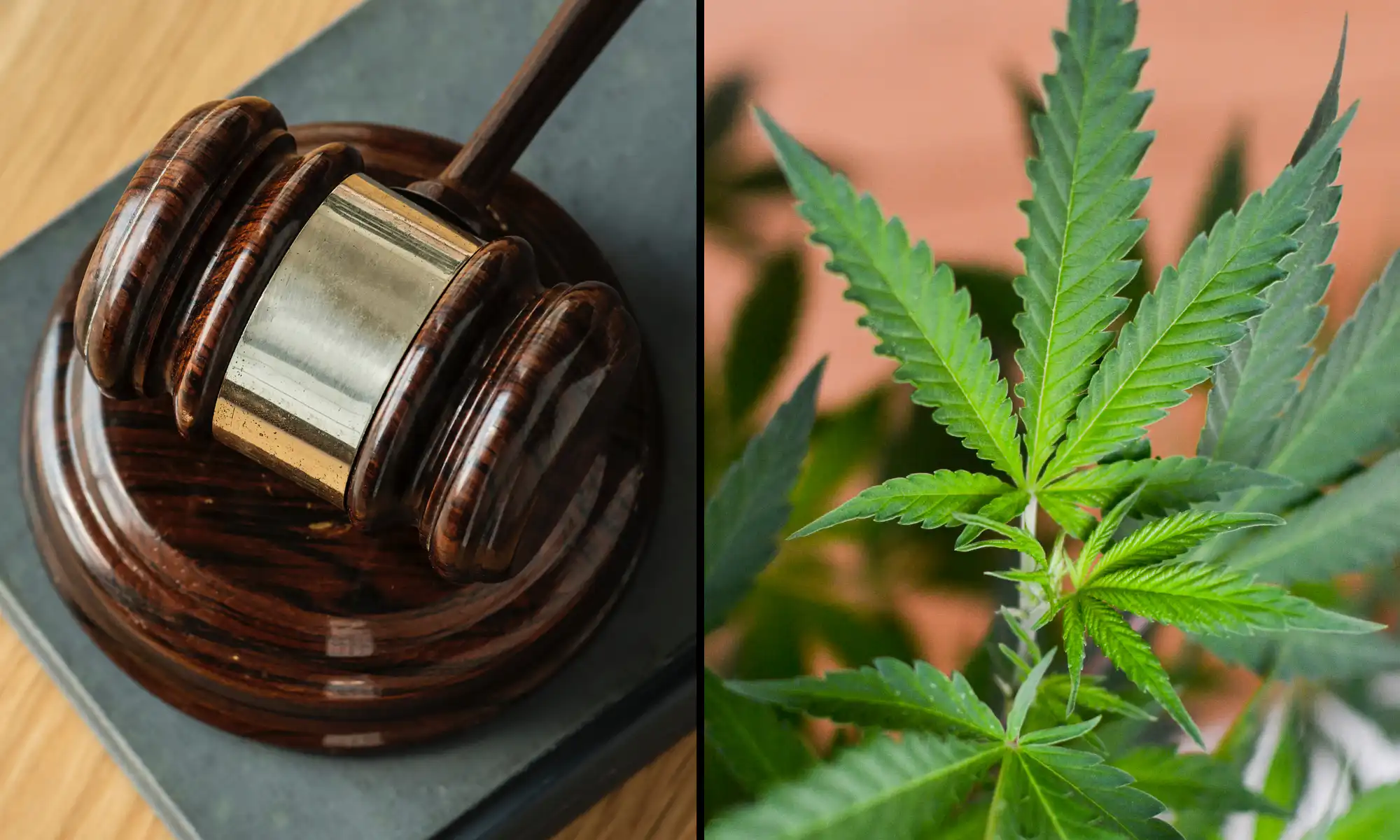
Illinois Court Reviews Final Lawsuit Over Cannabis Social Equity License Lottery Outcome
An Illinois court heard the final lawsuit challenging the state's cannabis business licensing lottery, with the outcome poised to influence future social equity policies and industry practices
Key Points
- 1Illinois court heard the final lawsuit over the cannabis licensing lottery process
- 2Well-Being Holistic Group alleges roughly 450 ineligible entries skewed the lottery
- 3The state maintains due diligence was followed and outcomes would not change
- 4Judge Patrick Stanton will rule on the case on May 21
- 5Only 64% of awarded social equity dispensary licenses are currently operational
The last legal challenge to Illinois's cannabis business licensing lottery process was heard in court last week, closing a significant chapter in the state's lengthy struggle to deliver on its social equity promises. Nearly seven years after Illinois legalized recreational marijuana, applicants who missed out on dispensary licenses argue that the rollout failed to honor the equity goals at the heart of the 2019 law. The Well-Being Holistic Group, led by Rev. Otis Davis, is the final plaintiff seeking a license after its four applications were unsuccessful across three separate lotteries. "We just want a fair shot. We’re not asking for anything special, no special privileges, but what they promised from the very beginning," Davis stated after the hearing
Illinois's cannabis legalization law was initially lauded as a national model for equity, reserving most new licenses for applicants disproportionately affected by the War on Drugs. However, the implementation proved more complex than anticipated, sparking dozens of lawsuits challenging the fairness of the lottery system. Many plaintiffs, like Well-Being Holistic Group, claimed that flaws in the process undermined the intended benefits for communities historically harmed by prohibition
Well-Being Holistic Group's case stands out for its unique legal argument. Unlike other lawsuits that contested application scores, this case alleges that the Illinois Department of Financial and Professional Regulation (IDFPR) improperly allowed around 450 ineligible entries into the lottery, nearly doubling the pool and reducing legitimate applicants' chances. The group contends that corporate interests with existing medical cannabis operations were able to bypass restrictions and influence the outcome. Attorney Chris Carmichael argued that the state overlooked several applications with the same corporate backers, a practice he believes compromised the integrity of the process
The state's defense, presented by Alex Moe from the Illinois Attorney General’s office, maintained that IDFPR conducted due diligence in vetting principal officers on applications and that there were no explicit rules preventing consultants from paying application fees. Moe stated, "Even if Well-Being is correct and half the applicants should not have been in there, it doesn’t change the outcome." Moe explained that a recalculation showed Well-Being would not have won a license even if the contested applications were removed, placing 126th out of 450
Judge Patrick Stanton appeared skeptical that the court should intervene, emphasizing the agency's broad discretion in interpreting state law. He remarked, "It sounds to me like there was some vetting done before the lottery. Maybe not the level of vetting you think should’ve been done. You’re saying they didn’t do enough. And I feel like, ‘Okay, that’s sort of the decision of the department.’" Stanton is expected to issue a ruling on May 21. As of January, only 64 percent of social equity dispensary licenses awarded had resulted in operational businesses, according to The Chicago Reporter
From the OG Lab newsroom perspective, the outcome of this lawsuit will set a precedent for how states interpret and uphold social equity provisions in cannabis licensing. The ongoing disputes highlight the complexities of translating legislative intent into fair, effective policy. Industry stakeholders and advocates nationwide will be closely watching Illinois’s next steps as a bellwether for equity-focused cannabis reforms