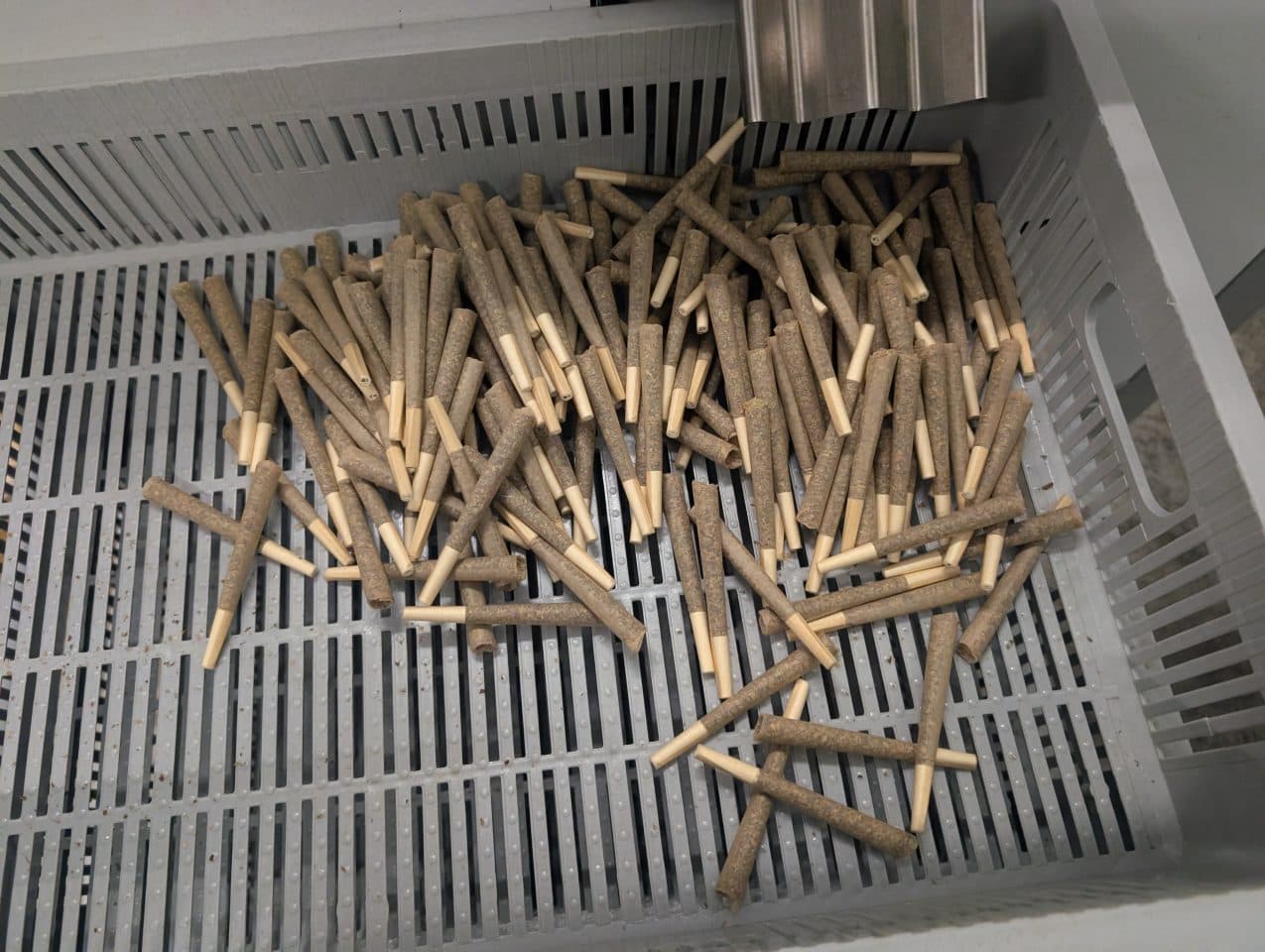
Pre-Rolls Transform Global Cannabis Markets from Craft Ritual to Industrial Standard
The global cannabis market is witnessing a shift as pre-roll joints move from hand-rolled tradition to industrialized product, reflecting evolving consumer expectations and regulatory approaches in regions like North America and Europe
Key Points
- 1Pre-roll joints have shifted from hand-rolled craft items to industrialized products in major markets
- 2Cultural habits, economic realities, and legal frameworks continue to shape joint preferences in regions like Israel, Spain, and the Netherlands
- 3North American brands have elevated pre-roll quality and consistency, changing consumer perceptions and expectations
- 4Spain’s cannabis clubs maintain a tradition of hand-rolled joints as a communal ritual, while the Netherlands is experimenting with a regulated supply chain
The evolution of the joint from a handmade ritual to a key driver of the cannabis industry marks a profound shift in both culture and commerce. Once a symbol of personal craft and social connection, the joint now reflects larger trends in market maturity, consumer expectations, and regulatory adaptation. As reported by High Times, the format and popularity of joints are deeply influenced by local customs, economics, and the broader legal landscape, making them a barometer for the state of cannabis markets worldwide
Historically, rolling a joint was an act of community and resourcefulness, shaped by local realities like the availability of quality flower or the prevalence of hash. In Israel, for example, the scarcity and price of cannabis in the 1990s and early 2000s led to a widespread preference for spliffs—joints cut with tobacco—reflecting both economic necessity and cultural adaptation. Even as market conditions and products change, these ingrained habits persist, with many Israeli smokers still believing that pure joints "don’t burn well," a misconception rooted in past constraints
In North America, the perception of pre-rolls has undergone a dramatic transformation. Once relegated to the status of byproducts—filled with shake, trim, and leftovers—pre-rolls have become a showcase for quality and innovation. The turning point, according to industry insiders, came as brands focused on better flower, refined filters, and consistent production processes. “Pre-rolls were no longer a side product or an afterthought. They had become a shorthand for market maturity, and for what the customer now expects,” a cannabis entrepreneur shared with High Times, highlighting how consumer trust has shifted toward branded, factory-made joints that deliver reliable quality
Meanwhile, Europe offers a contrasting landscape, with Spain and the Netherlands serving as case studies in adaptation and experimentation. In Spain, cannabis clubs operate in a legal gray area, fostering a unique community-driven approach where joints are hand-rolled with care and shared as part of social rituals. Carroll Bellari, known as Teacher at Madrid’s N7A club, described her craft: “The joints are only for great people When I make joints, I sit somewhere around the house like I’m making arepas, weed and wax is just like amasado, water and cornflower, and I talk to people always as I do it With the leftovers, the last joint is always a gift!” This underscores the enduring value of tradition even as industrialization gains ground
The Netherlands, on the other hand, is in the midst of a government-led experiment to regulate its famously paradoxical cannabis supply chain. Coffeeshops continue to serve customers under strict tolerance policies, while new efforts attempt to replace the informal backdoor supply with transparent, legal cultivation. The transition has not been seamless, with shortages and limited product diversity highlighting the challenges of formalizing a system that thrived on ambiguity. Whether the Dutch model can successfully bridge consumer expectations with regulatory demands remains an open question and a test case for other markets
From the OG Lab newsroom perspective, the industrialization of pre-rolls signals a broader maturation of the global cannabis industry. As the joint evolves from a cultural artifact to a standardized product, companies and regulators alike must balance tradition with innovation. This ongoing transformation is worth watching, as it will influence not only consumer habits but also the structure and transparency of cannabis markets worldwide