Spain Enforces Tougher Prison Sentences for Electricity Theft in Cannabis Cultivation Crackdown
Spain has begun imposing prison sentences for electricity theft linked to indoor cannabis cultivation, dismantling nearly 1,850 illegal grows in 2025 as new laws and advanced technology target the illicit market
Key Points
- 1Spain detected 72,700 cases of electricity fraud in 2025, dismantling 1,850 illegal cannabis grows
- 2Organic Law 1/2026 now imposes six to eighteen months in prison for electricity theft tied to cannabis cultivation
- 3Indoor cannabis grows accounted for 26% of all recovered stolen electricity in recent years
- 4Endesa reports nearly 100 incidents of violence against workers during anti-fraud operations over four years
- 5Spain remains a leading exporter of medical cannabis but faces a persistent domestic illicit market
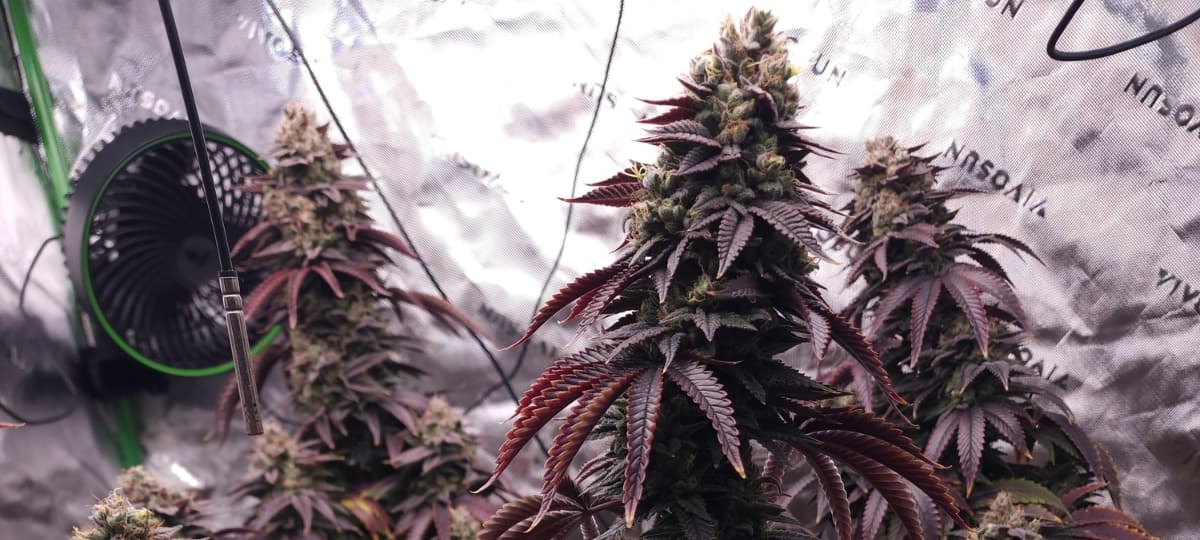
Spanish authorities have escalated their campaign against illegal indoor cannabis cultivation by introducing harsher penalties for electricity theft, a move prompted by a surge in fraudulent power hookups. In 2025, energy giant Endesa detected 72,700 cases of electricity fraud, averaging nearly 200 incidents per day, and dismantled close to 1,850 illegal indoor cannabis grow operations, according to the company's latest report. This wave of enforcement coincides with the adoption of Organic Law 1/2026, which amends the Spanish Criminal Code to impose prison sentences of six to eighteen months for electricity fraud linked to cannabis cultivation
The crackdown responds to a growing crisis in Spain, where clandestine cannabis grows have been overloading electrical grids, causing blackouts and even fires in affected neighborhoods. Endesa's data reveals that electricity fraud over the past five years equates to the annual energy consumption of more than one million households—comparable to the combined homes of Barcelona and Seville. The company’s subsidiary, e-distribución, closed over 320,000 cases of grid tampering between 2021 and 2025, recovering upwards of 3,750 GWh of stolen energy
Indoor cannabis cultivation plays a major role in this energy theft epidemic, accounting for 26% of all recovered stolen electricity in recent years. In 2025 alone, authorities and Endesa recovered 182.7 million kWh of electricity from illegal grows, with each operation using as much energy as approximately 80 households. "The minimal severity of Spanish criminal law, imposing only fines, is likely to attract organized criminal networks to our country," stated the Attorney General’s Office, highlighting concerns that Spain's previously lenient penalties have drawn international crime syndicates
Technological advancements have become central to the fight against illegal cultivation. In 2025, Endesa began deploying artificial intelligence, Big Data analytics, and predictive sensors, working alongside Spain's National Police to detect unusual power consumption before grid failures occur. The company’s efforts are not without risk; over the past four years, nearly 100 incidents of physical violence against employees and contractors have been reported during anti-fraud operations, including 58 assaults in 2025 alone
Spain's stance on cannabis remains complex. While the country is a leading legal producer of medical cannabis for export, domestic access is tightly restricted, fueling a persistent illicit market. According to the European Drug Report 2025, Spain is responsible for 73% of all marijuana plant seizures in the European Union, with much of the illegal sector believed to be controlled by organized crime, especially in Catalonia and Andalusia. Endesa has documented elaborate measures by these groups to maintain grow operations, including running cables for over half a mile and tampering with transformer stations
From the OG Lab newsroom perspective, Spain’s move to impose prison sentences for electricity theft connected to cannabis cultivation marks a significant policy shift in the battle against illicit grows and organized crime. This development is worth watching as it could reshape enforcement strategies and catalyze further regulatory debate, especially as Spain navigates the tension between its thriving export industry and a resilient underground market. The effectiveness of these new measures—and their broader implications for the European cannabis landscape—will become clearer in the coming years