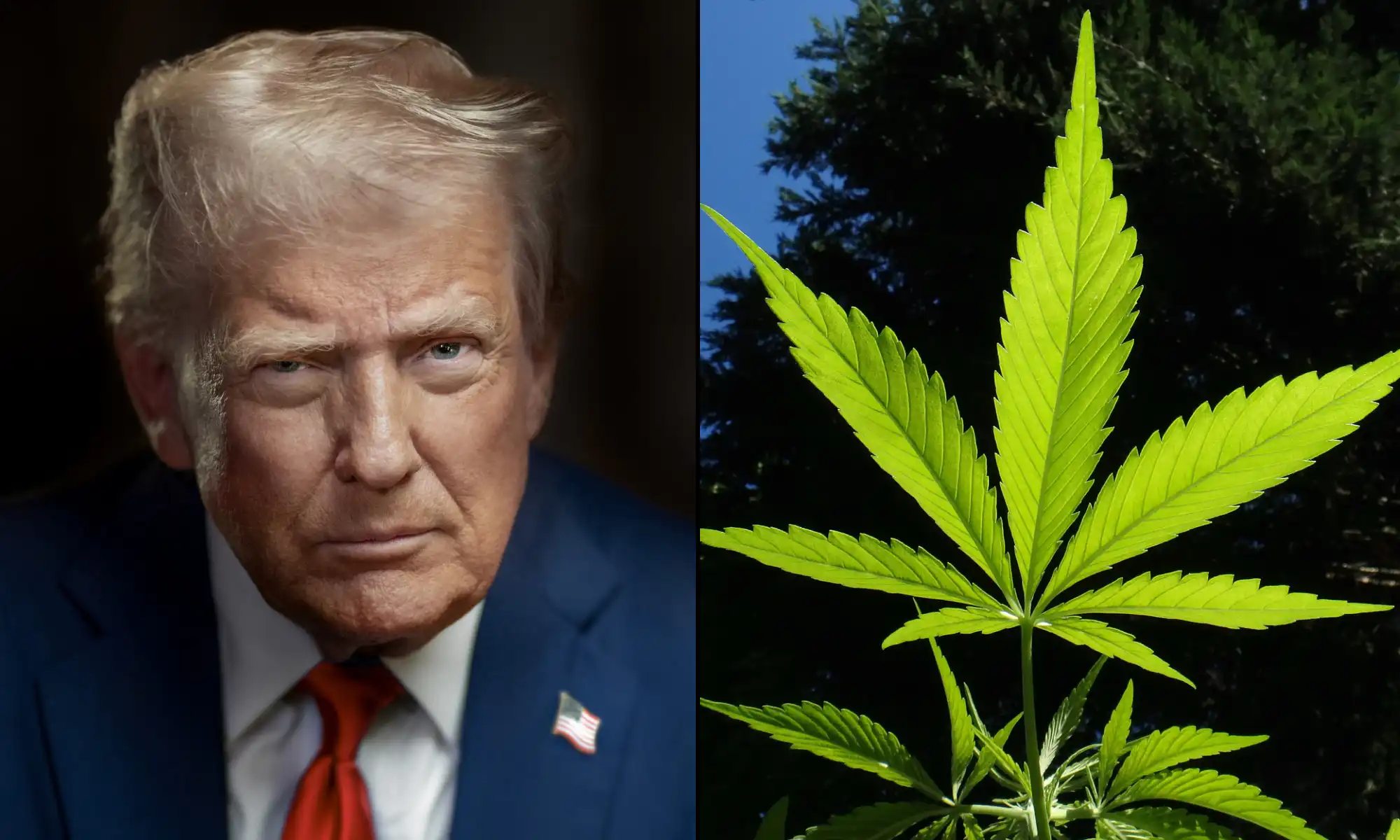
Trump Administration’s Cannabis Rescheduling Recognized as Progress but Criticized as Incomplete Reform
The Trump administration’s recognition of state-authorized medical cannabis marks a major policy shift but leaves unresolved legal conflicts for millions of patients and businesses nationwide
Key Points
- 1The Trump administration has reclassified state-authorized medical cannabis products for the first time
- 2Over 40 states have legalized physician-authorized access to medical cannabis, with no repeals to date
- 3A 2023 Department of Health and Human Services review found over 6 million patients use medical cannabis under supervision
- 4The federal rescheduling order does not address legal conflicts for patients and businesses in states with adult-use cannabis laws
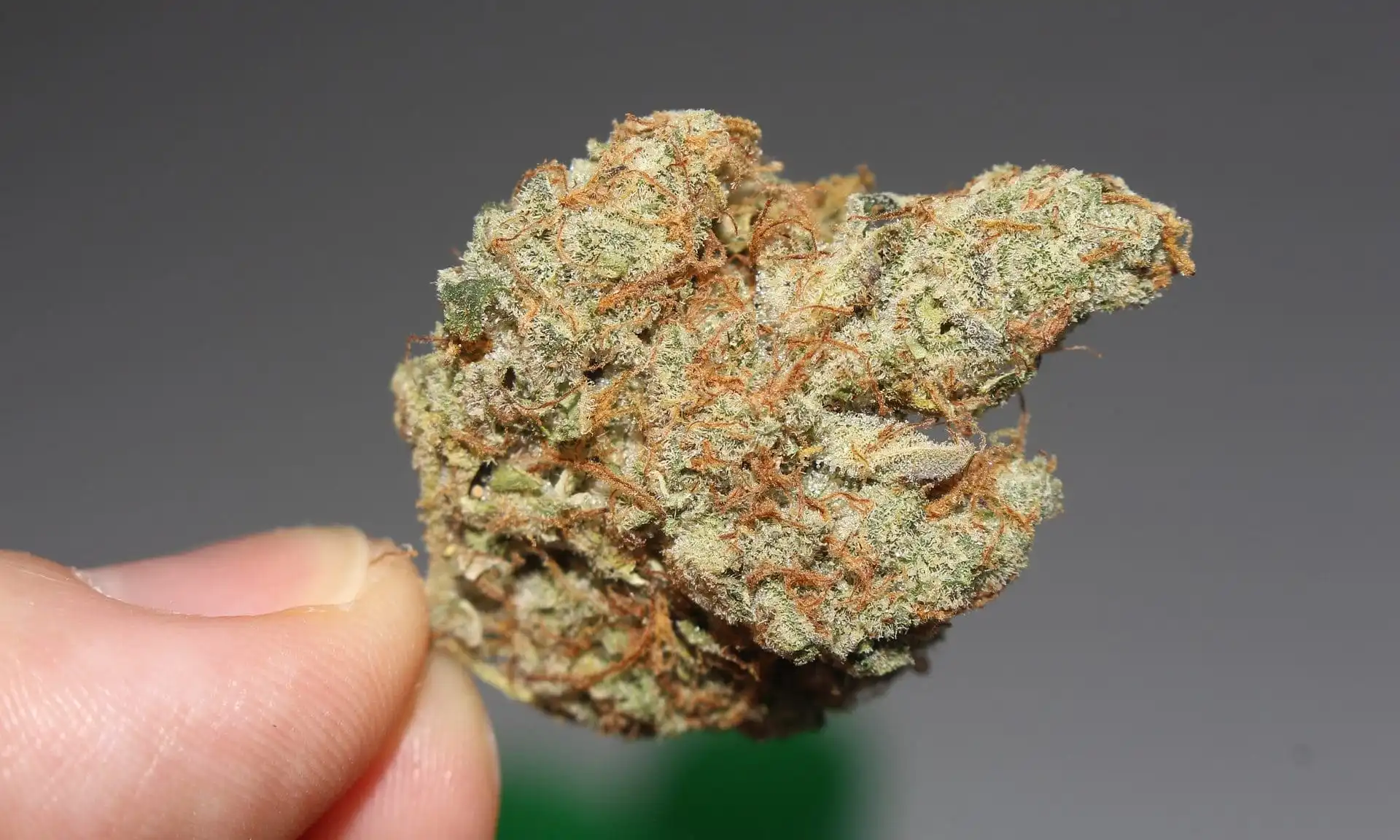
The Trump administration’s recent move to reclassify state-authorized medical cannabis products has been described as a historic first step in modernizing federal drug policy. For over half a century, marijuana was federally classified alongside heroin, with officials enforcing strict prohibitions and threatening medical professionals who broached the subject with patients. Now, for the first time, the federal government is formally recognizing state-licensed medical cannabis providers, marking a significant shift in approach
Despite this progress, critics argue that the changes do not go far enough to address the ongoing conflict between state and federal cannabis laws. According to Paul Armentano, Deputy Director of NORML, "To rectify this state/federal conflict cannabis must be removed from the Controlled Substances Act altogether." He emphasized that while the rescheduling is welcome, it does not harmonize the patchwork of state-level reforms with federal law, leaving many patients and businesses in legal limbo
Currently, 40 states have legalized physician-authorized access to medicinal cannabis, and none have repealed their laws, suggesting strong public and medical support for these programs. An extensive review by the Department of Health and Human Services in 2023 found that over 6 million patients use medical cannabis under medical supervision, concluding, "No safety concerns were identified in our review that would indicate that the medical use of marijuana poses unacceptably high safety risks for the indications where there is some credible scientific evidence supporting its therapeutic use."
However, the federal policy shift leaves millions behind: residents in the 10 states without medical cannabis laws and those in 24 states where adult-use cannabis is legal still face federal prohibition. The new order does not provide legal remedies for businesses or consumers operating within state law, underscoring the need for broader reform. Advocates argue that only by removing cannabis from the Controlled Substances Act can true federal-state policy alignment be achieved, allowing states to regulate cannabis like alcohol
From the OG Lab newsroom perspective, this development signals a turning point in federal recognition of medical cannabis, but it also highlights the persistent challenges of reconciling state innovation with federal inertia. The industry will be watching closely to see if further reforms can bridge the divide, especially as public and professional support for cannabis legalization continues to grow across the United States