Cannabis Beverages Gain Ground as Social Alcohol Alternative for Diverse Consumers
Cannabis beverages are emerging as a social alternative to alcohol, enabling wider participation in communal rituals while addressing the needs of health-conscious and sober-curious consumers
Key Points
- 1Gallup polling shows Americans—especially younger adults—are drinking less alcohol
- 2The sober-curious movement has become a distinct consumer category with dedicated retail space
- 3Cannabis beverages offer a sessionable, low-dose alternative that fits traditional social rituals
- 4Industry faces regulatory challenges including inconsistent state laws and unclear dosing standards
- 5Founder Leah Kollross highlights the social and health benefits of cannabis beverages for those managing chronic illness
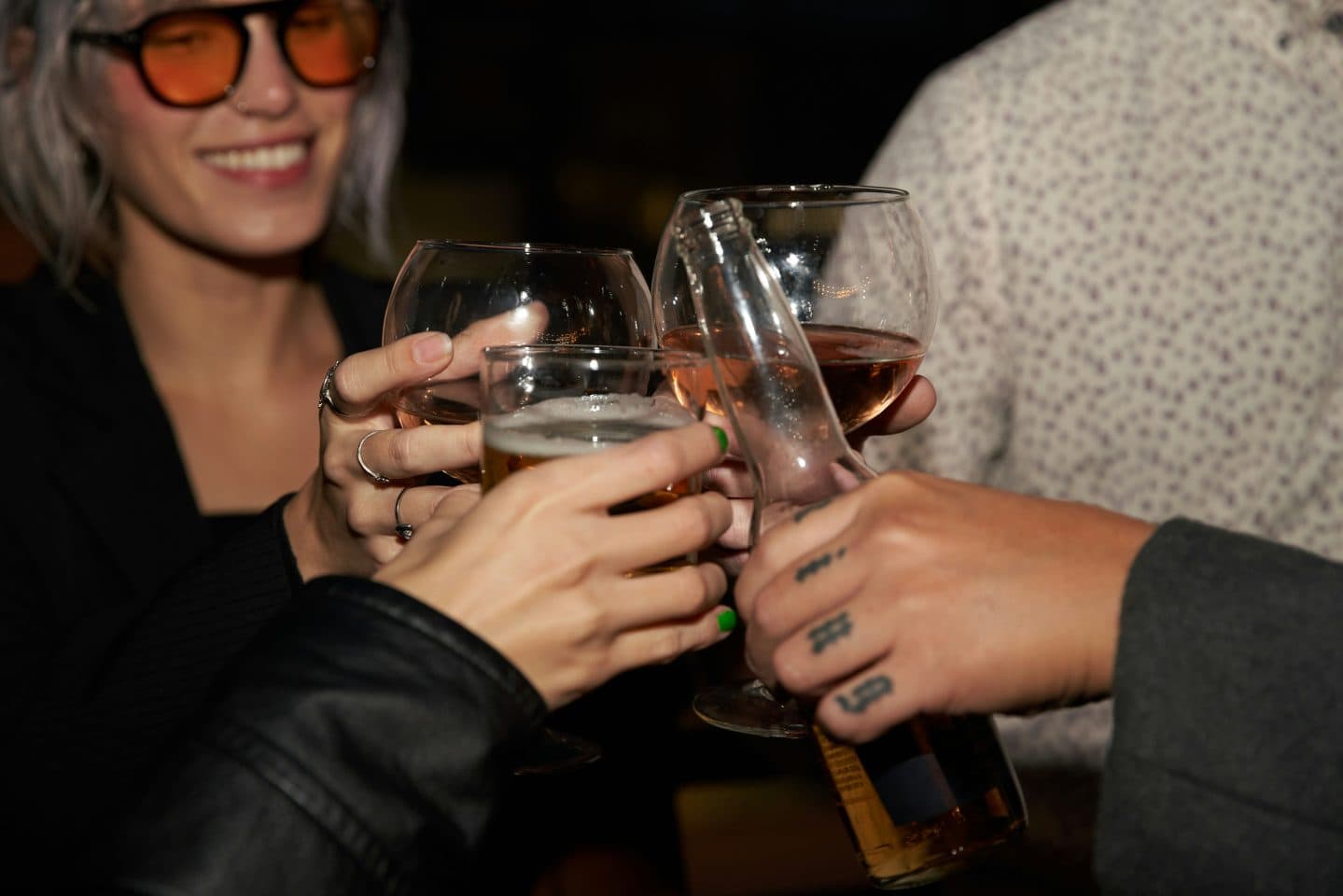
As the cannabis beverage market experiences rapid growth in the United States, its appeal extends far beyond simply replacing alcohol. According to High Times, these drinks are addressing a deeper need: helping people maintain their place in social rituals traditionally centered around alcohol. The growing movement away from alcohol, especially among younger adults and health-conscious consumers, has created space for new alternatives. "Nobody toasts with water," the article notes, highlighting how ingrained alcohol is in celebrations and gatherings
Recent Gallup polling shows a clear decline in alcohol consumption, with the sober-curious movement gaining mainstream traction. Once a niche wellness experiment, the sober-curious lifestyle now boasts dedicated retail sections and social influencers. Events like Dry January have become more than a passing trend, acting as gateways to longer-term behavioral shifts. Yet, the motivations for stepping back from alcohol are often complex, encompassing concerns such as medication interactions, chronic conditions, and personal history
Leah Kollross, founder of a Minnesota-based cannabis beverage company and an advocate living with multiple sclerosis, provides personal insight into this shift. After her MS diagnosis in 2023, Kollross found that alcohol worsened her symptoms and conflicted with her treatment regimen. "The social cost of not drinking is real," Kollross explained, describing how abstaining from alcohol can create a sense of exclusion at social events. Cannabis beverages, she argues, can help bridge this gap by offering a familiar, inclusive option for those who wish to participate without consuming alcohol
Despite their promise, cannabis beverages face significant regulatory hurdles. The industry grapples with inconsistent state regulations, unclear dosing standards, and a lack of federal clarity. Kollross emphasizes, "Consumers deserve better labeling, better transparency, and better THC drink data." Nonetheless, these beverages are making headway by providing a low-dose, sessionable alternative that fits seamlessly into traditional drinking occasions, from weddings to backyard barbecues
The cultural impact of cannabis beverages is becoming increasingly visible. Rather than requiring explanation, these drinks are starting to appear naturally at social gatherings, signaling a shift in societal norms. "Culture changes when the thing in someone’s hand at a gathering stops needing an explanation," Kollross noted, reflecting on how cannabis beverages are normalizing new rituals. For millions who are health-conscious, sober, or managing medical conditions, this development widens access to social participation and belonging
OG Lab sees the rise of cannabis beverages as a pivotal moment for the industry and broader culture. As these products break down barriers to social inclusion, the sector has an opportunity to serve a diverse and underserved market. The real test will be whether the cannabis community and industry can continue to innovate and expand access, ensuring that celebrations become more inclusive for all