Farmer-Led Cannabis Tourism Grows Roots in Northern California
Northern California’s small cannabis farms are inviting visitors for immersive tours, offering unique insights into cultivation and connecting consumers with the region’s agricultural heritage
Key Points
- 1Farmers in Mendocino and Sonoma counties are hosting cannabis tourism experiences for visitors
- 2Personal farm tours help small growers share their stories and connect with consumers
- 3Regulatory restrictions prevent cannabis farms from selling products directly to tourists
- 4Dispensaries play a key role as regional ambassadors, linking visitors to local cannabis products
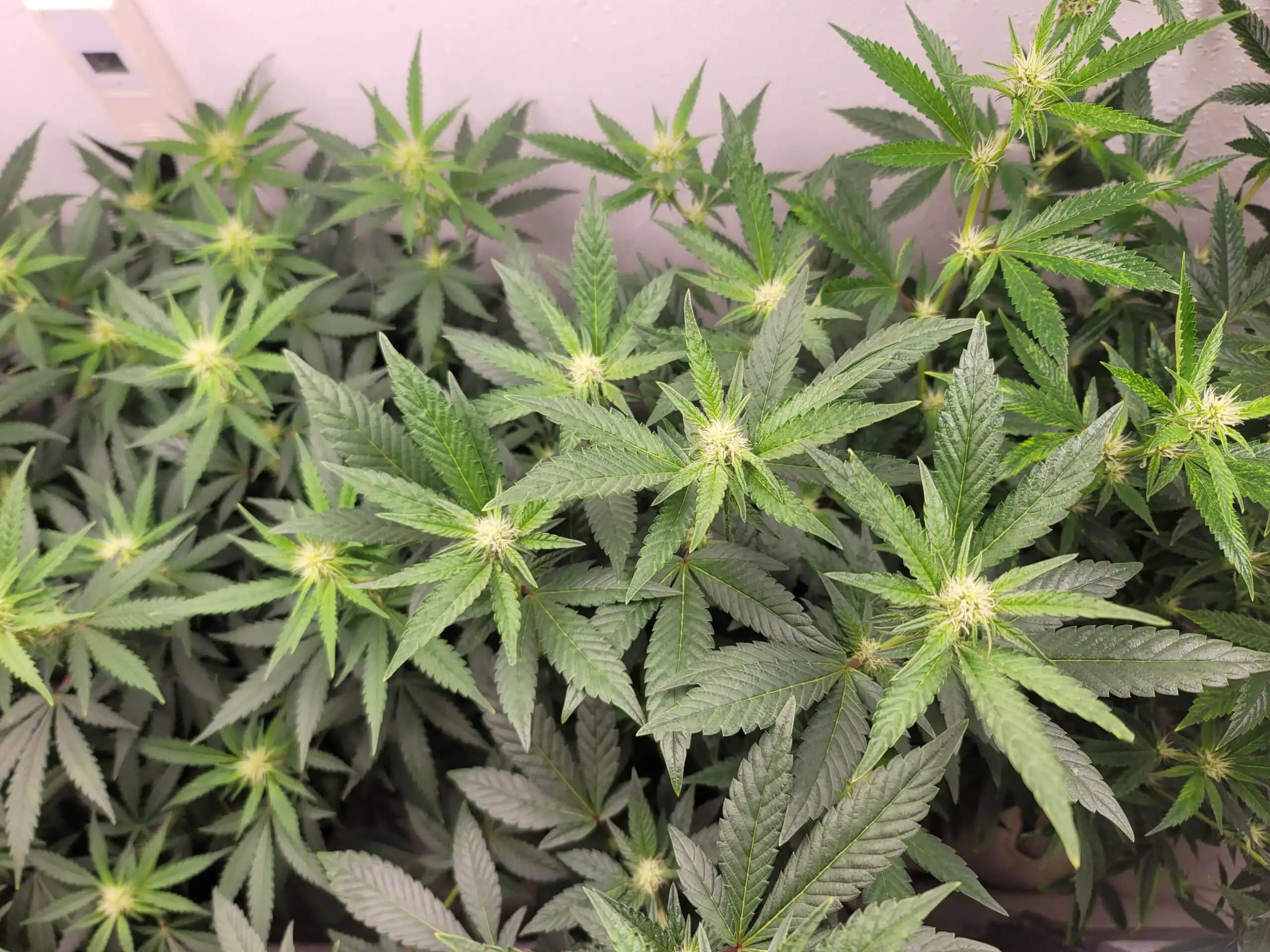
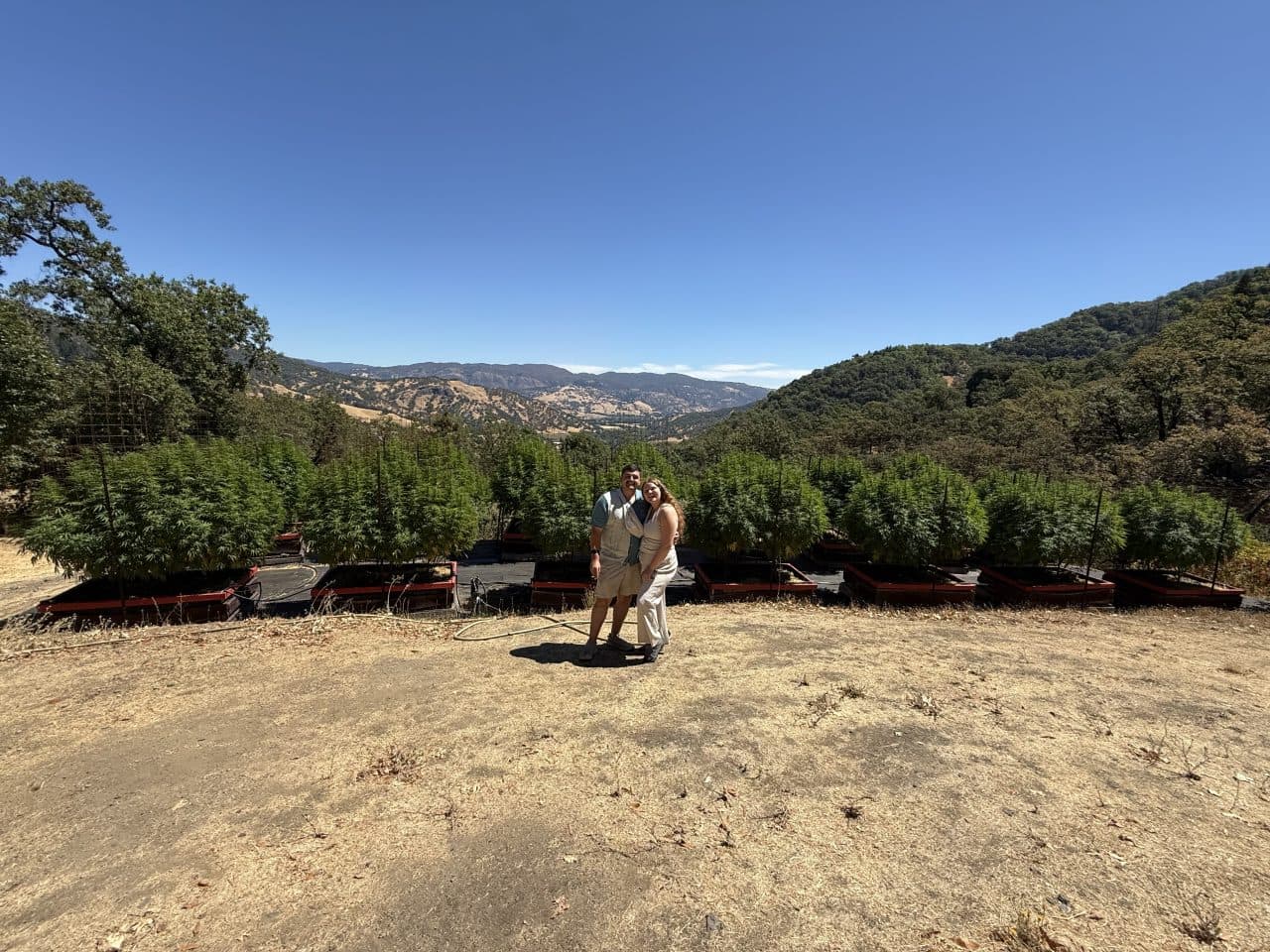
Northern California is seeing a rise in cannabis tourism, with local farmers opening their gates to visitors seeking more than just a product. Charles Kimball, founder of Cannabis Wine Tours, has observed that guests remember not just the cannabis, but the experience of connecting with the land and the people who cultivate it. "They remember the drive through the countryside, the garden they walked through, the person who welcomed them, and the story behind what they experienced," Kimball shared. These farm visits allow participants to see mature cannabis plants up close and engage directly with growers, fostering a deeper appreciation for the craft and history behind each harvest
In Mendocino County, cannabis is woven into the region's agricultural identity, and small family farms are leveraging tourism to tell their stories. Spencer Stribling, owner of McNab Cannabis, emphasized the importance of these encounters: "Being able to welcome guests to our farm is an integral part to getting our story out to the nation." Visitors are often surprised by the scale and complexity of cannabis cultivation, especially those from states with stricter laws. Stribling believes that personal interactions are vital for small farms that struggle to compete with larger operations on price or volume
Mike Harden, CEO of Sonoma Hills Farm, highlighted the unique advantages that small cannabis farms offer. While large-scale growers dominate in terms of price and output, Harden said, "They win on scale and price, and it’s easy to get lost next to that." Instead, small farms excel by providing authentic experiences rooted in place and community. Harden added, "When someone stands in the field, sees how we grow, and meets the people doing it, they never look at cannabis the same way." This sense of connection is something large commercial operations cannot replicate
However, the regulatory landscape remains a challenge for cannabis tourism. Unlike wineries, cannabis farms face significant restrictions on direct sales and public access due to complex state and local regulations. Leigh Anne Baker, CEO of JANE Dispensary, noted, "The cannabis industry is often compared to the wine industry, but it still isn’t allowed to operate like the wine industry." While some farm visits include educational tours, any consumption or retail activity must take place at licensed dispensaries. Dispensaries themselves act as regional ambassadors, helping visitors understand the origins of the products they purchase
Jamie Peters of Visit Mendocino County views cannabis as an integral part of local agriculture and envisions broader partnerships between farms and the hospitality sector. Peters believes these experiences can include everything from stargazing to wellness retreats and sees cannabis farmers as "just like everyone else – trying to make a living, take care of their families and be successful in their chosen profession." The region’s legacy cultivators are adapting to changing markets, using hospitality as a way to preserve heritage and sustain their livelihoods
While farm-hosted tourism alone cannot resolve all the challenges small cannabis growers face, it offers a meaningful way to connect consumers with the people and stories behind the plant. As OG Lab sees it, these immersive experiences could help shape a new narrative for cannabis tourism—one that celebrates authenticity, supports small producers, and transforms visitors’ perceptions long after they leave the farm