Federal Marijuana Rescheduling Order Focuses on Medical Use, Excludes Adult-Use Cannabis
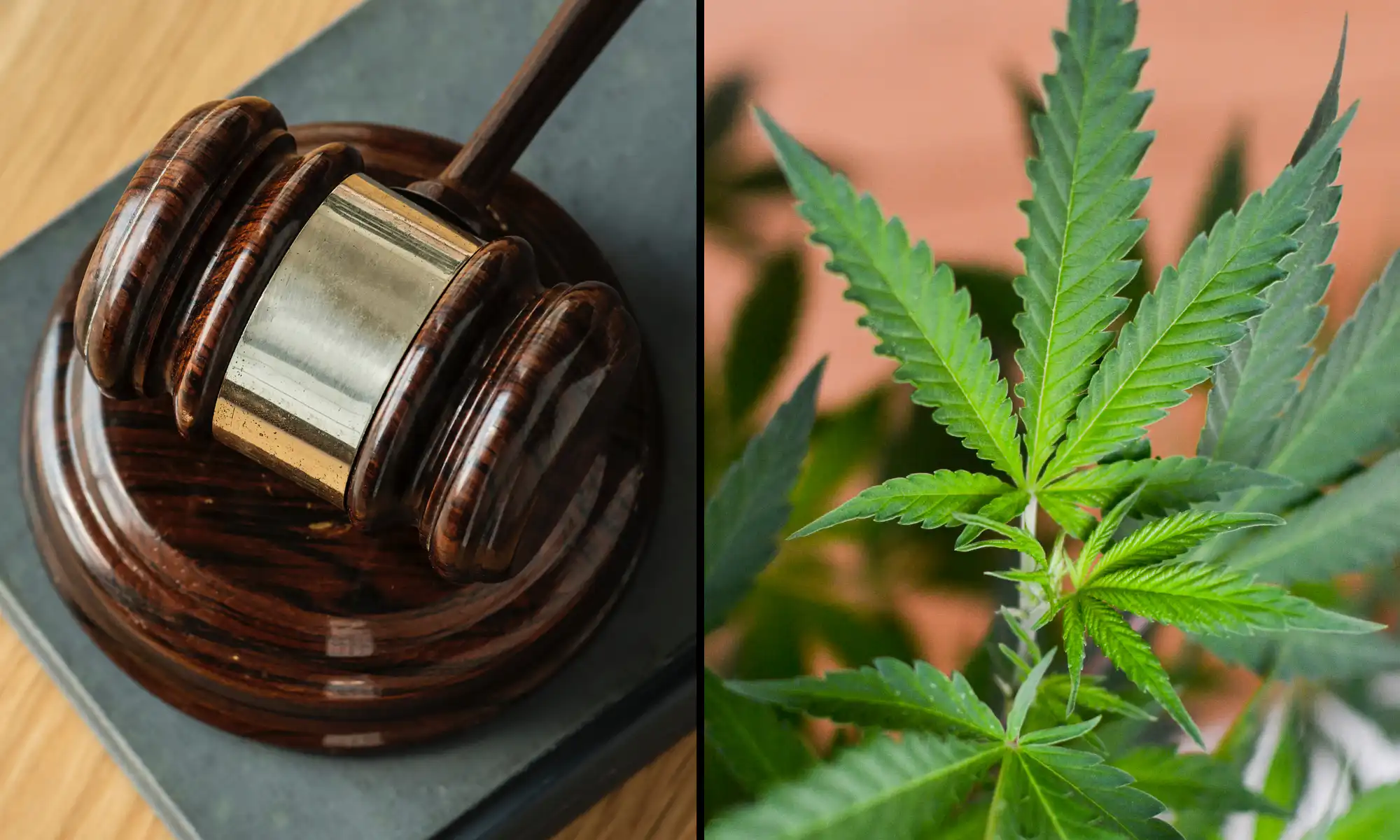
President Trump's executive order directs federal agencies to reschedule marijuana for medical use only, leaving adult-use regulation to states and signaling major changes for the cannabis industry and patient access
Key Points
- 1President Trump's executive order directs the rescheduling of marijuana to Schedule 3 for medical purposes only
- 2The order calls for increased research and regulation of CBD and hemp-derived cannabinoid products
- 3Adult-use cannabis regulation remains under state jurisdiction, with no federal rescheduling for recreational marijuana
- 4Rescheduling could open new tax, banking, and insurance opportunities for cannabis businesses but may also impose stricter compliance and testing protocols
- 5Federal medical marijuana regulation may intensify competition for state-licensed operators and change patient access models
President Donald Trump's recent executive order has set the stage for a significant shift in U.S. cannabis policy by directing Attorney General Pam Bondi to take necessary actions to move marijuana to Schedule 3 of the Controlled Substances Act. This move is designed to encourage research, testing, and use of cannabis for medical purposes, with the explicit exclusion of adult-use or recreational cannabis in the near term. The order highlights the importance of medical cannabis and criticizes the federal government's previous lack of comprehensive assessment and scientific research into its benefits and risks, particularly following the Department of Health and Human Services' 2023 finding that cannabis has a 'currently accepted medical use' in the United States
While the executive order underscores support for medical cannabis, it also issues a clear warning against recreational use, leaving regulation of adult-use marijuana to individual states. The order calls upon Congress and federal agencies to bring clarity and safety to the use of CBD and hemp-derived cannabinoid products, which remain largely unregulated at the federal level. As noted in the order, 'These products, not currently regulated by the federal government, present additional possible medical treatments that should be subjected to rigorous study, research, testing and regulation.'
The process of rescheduling marijuana is far from straightforward. According to MJBizDaily, the Justice Department and Drug Enforcement Administration must resume administrative review of the Department of Health and Human Services' recommendations, likely involving public hearings, stakeholder input, regulatory drafts, and appeals before any new regulations are finalized. This drawn-out process introduces uncertainty for manufacturers, retailers, and healthcare providers, who may soon face tighter compliance standards and new federal guidance on marketing and sales. The potential shift could also fundamentally alter the patient experience, moving distribution from dispensaries to more traditional pharmacy-driven models, and possibly rendering budtenders obsolete
For the cannabis industry, rescheduling could bring both opportunities and challenges. On the positive side, cannabis businesses may be able to deduct general and administrative expenses, thanks to relief from IRS Code 280E, and banks may become more willing to provide financial services. Insurance coverage for prescribed medical marijuana could expand, and large companies from the pharmaceutical, tobacco, and alcohol sectors may enter the market through investments or acquisitions. However, the shift to a pharma-centric regulatory environment could impose costly and extensive testing protocols, potentially increasing operational expenses and transforming the retailer-patient relationship. 'Rescheduling could require insurance and benefit plan changes to cover the cost of prescribed medical marijuana treatments,' said Janet Jackim, chair of the Cannabis Business Industry Group at Fennemore
The potential for federal medical marijuana regulation could also reshape state markets and patient access. States that have resisted legalization, such as Idaho, Indiana, and Wisconsin, might feel increased pressure to permit medical cannabis. Meanwhile, changes in federal oversight could allow convenience stores and gas stations to sell certain cannabinoid products, intensifying competition for state-licensed operators and threatening their revenue streams. Businesses are advised to monitor federal agency activity, adapt marketing strategies, and consider new partnerships to stay competitive amid evolving compliance requirements. From the OG Lab newsroom perspective, this federal pivot toward medical cannabis signals a new era of regulatory complexity and business opportunity, but also introduces significant uncertainty for both legacy operators and new entrants as the industry awaits final rules and enforcement priorities