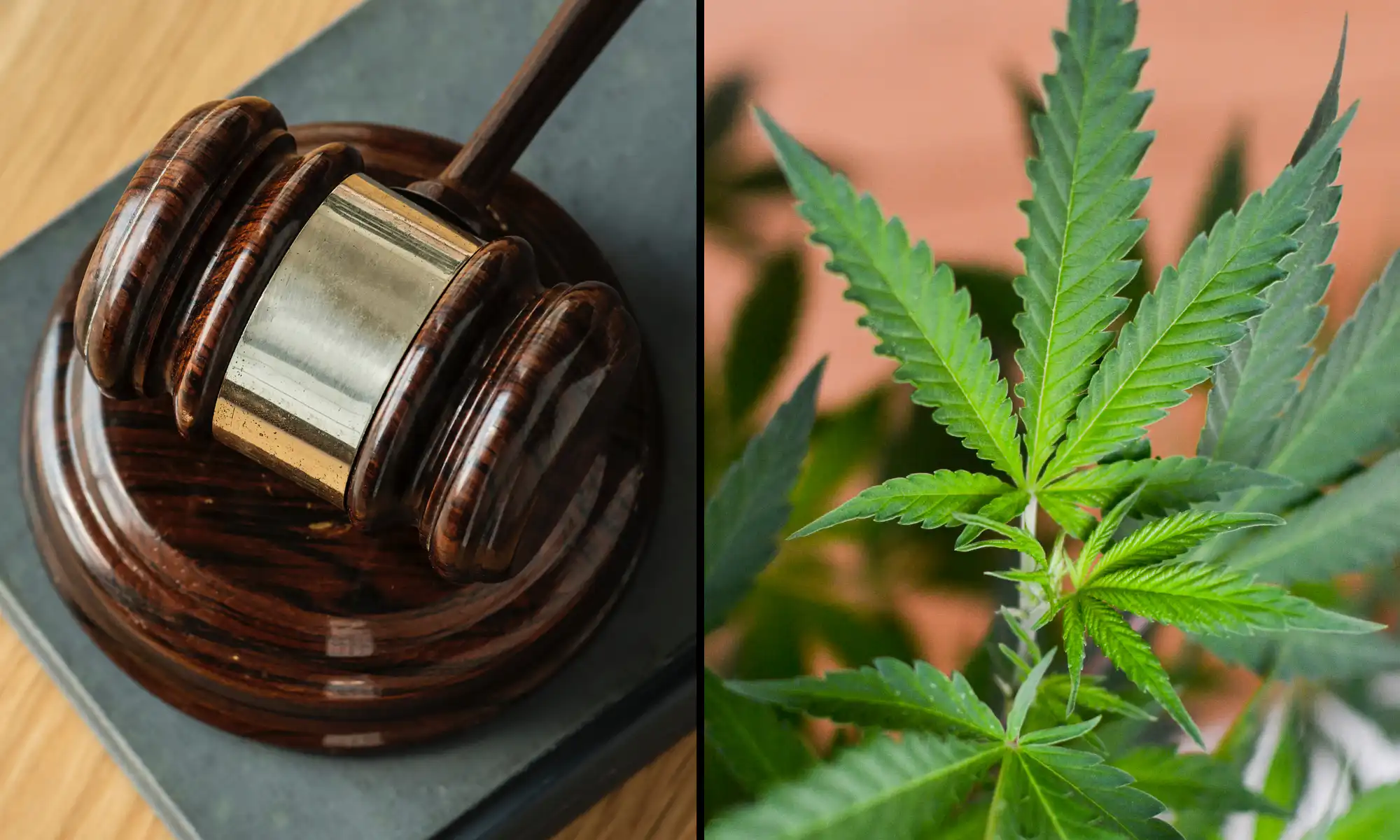
International Drug Policy Shift Removes CBD From Global Narcotics Controls
International authorities have clarified that CBD is not a controlled narcotic under global treaties, paving the way for expanded research, patient access, and industrial hemp innovation worldwide
Key Points
- 1The World Health Organization concluded in 2018 that CBD has no abuse or dependence potential
- 2The International Narcotics Control Board clarified that CBD is not scheduled under international drug control treaties
- 3Industrial hemp cultivation for non-controlled cannabinoids like CBD is increasingly recognized as an agricultural activity
- 4Governments may regulate THC domestically, but are not required to treat CBD as a controlled drug under global conventions
A significant shift in international drug policy is redefining the legal status of cannabidiol (CBD), removing it from the scope of global narcotics treaties and easing regulatory barriers for patients, farmers, and industry stakeholders. For years, governments worldwide relied on the 1961 Single Convention on Narcotic Drugs to justify strict limitations on cannabis and its derivatives, often conflating low-risk compounds like CBD with psychoactive substances. This led to widespread confusion and restricted access to potentially beneficial treatments, especially for veterans and patients with chronic conditions
Recent developments have clarified that CBD, when containing only trace amounts of THC, is not subject to international narcotics control. The World Health Organization (WHO) conducted an in-depth review in 2018 and concluded that 'Cannabidiol (CBD) exhibits no effects indicative of any abuse or dependence potential CBD is generally well tolerated with a good safety profile.' Following this, the International Narcotics Control Board (INCB) reinforced that CBD is not included in the Convention’s schedules, affirming that governments are not obligated to treat CBD as a controlled drug under international law
The evolution in treaty interpretation marks a departure from past decades, when restrictive readings of international conventions created a legal paradox—treating CBD, a non-psychoactive compound, as if it were a dangerous narcotic. According to High Times, the INCB has adopted a teleological approach, focusing on the intent behind international drug treaties rather than rigid literalism. 'The system was designed to prevent the misuse of substances that can cause addiction, harm, or significant public health risks. CBD does not fit that profile,' the article notes
This legal clarification also extends to industrial hemp cultivation. Article 28 of the 1961 Convention exempts cannabis cultivation for 'industrial purposes (fiber and seed),' but for decades, many countries narrowly interpreted this to exclude cannabinoid extraction. With hemp now used in construction, nutrition, and cannabinoid products, the INCB and legal scholars argue that the treaty’s language was intended to be illustrative, not exhaustive. Consequently, hemp grown for non-controlled cannabinoids like CBD is increasingly recognized as an industrial agricultural activity rather than drug production, provided THC remains regulated
For the hemp and CBD industries, these policy shifts are critical. They pave the way for expanded research, medical access, and economic growth by clarifying that CBD is not a globally controlled substance. Dr. Pavel Pachta, a former INCB board member, has publicly discussed these developments, emphasizing that the international exemption for industrial hemp is gaining wider acceptance. As regulatory frameworks modernize, governments retain authority to set reasonable THC thresholds domestically, but CBD’s international legal status is no longer ambiguous
From the OG Lab newsroom perspective, these developments signal a turning point for the global cannabis sector, particularly in unlocking innovation and access to hemp-derived products. As international bodies emphasize patient rights, scientific evidence, and regulatory flexibility, the industry can expect greater clarity and reduced barriers to CBD research and commerce. This evolving policy landscape is worth watching as governments adapt to modern cannabinoid science and the diverse applications of the cannabis plant