Jamaica Emerges as Global Hub for Combined Cannabis and Psychedelic Retreats
Jamaica has become a leading destination for tourists seeking combined cannabis and psychedelic experiences, with retreats offering both ganja and psilocybin mushroom programs amid a supportive regulatory environment
Key Points
- 1Jamaica's cannabis tourism sector has rebounded after Hurricane Melissa and is attracting international visitors
- 2Psilocybin mushrooms remain legal due to a regulatory loophole, fueling a booming retreat industry
- 3Combined cannabis and psychedelic retreats, such as those at Wabba’s and Coral Cove, are gaining popularity
- 4Cultural stigmas around mushrooms persist, but economic benefits are shifting local perceptions
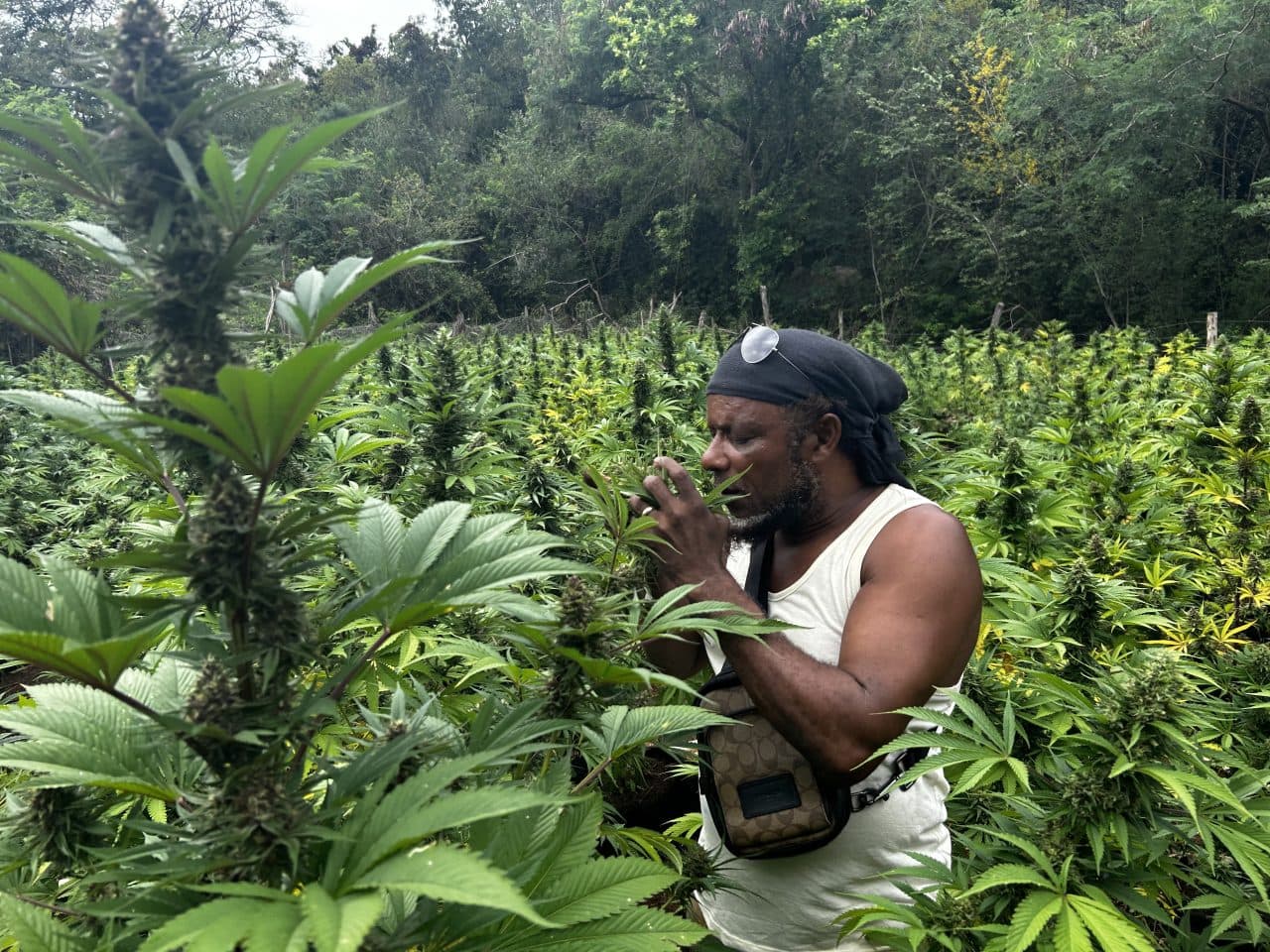
Jamaica is rapidly establishing itself as a unique destination for travelers seeking both cannabis and psychedelic experiences, with an increasing number of retreats now combining ganja and psilocybin mushrooms. According to High Times, this fusion is taking root at locations like Wabba’s Weed Adventure, a longstanding cannabis farm near Negril, where visitors can participate in steam chalice ceremonies and cannabis tours as part of their psychedelic retreat experience. The relaxed attitude of local authorities, illustrated by a police officer exchanging fist bumps during a group session, reflects a cultural shift that sets Jamaica apart from other countries where such activities remain heavily policed
The country’s cannabis tourism sector has rebounded impressively following the devastation of Hurricane Melissa in October 2025, which was the strongest storm in Jamaica’s recorded history and caused widespread damage to farms and infrastructure. Despite these setbacks, operations like Wabba’s have not only recovered but are thriving, attracting international tourists eager to explore Jamaica’s legendary cannabis culture. The global cannabis tourism market is booming as well, with annual revenues estimated at over $17 billion in 2022 and projections to exceed $23 billion by 2030 as more countries move towards legalization
Jamaica’s regulatory landscape is central to its burgeoning reputation in psychedelic tourism. Unlike many countries, psilocybin mushrooms were never formally banned, even though their active compounds were added to the list of controlled substances. This legal nuance has fostered the growth of a vibrant retreat industry, with operations like Mycomeditations and Marley One Wellness Retreats drawing thousands of international guests seeking guided psilocybin experiences. "The beauty of holding a mushroom retreat in Jamaica is that on the integration days we have the option to experience something as unique as a guided cannabis farm tour," said Andy Sudbrock of Sacred Path retreats, highlighting the synergy between the two sectors
Despite the growing popularity of combining cannabis and mushrooms, cultural stigmas persist. While cannabis is widely accepted as a medicine among locals, it remains largely excluded from formal psychedelic therapy protocols, which seek legitimacy in mainstream medicine. Conversely, psilocybin mushrooms—sometimes called 'Duppy Umbrella' or 'ghost umbrellas'—have faced suspicion in Jamaica, a legacy of colonial and religious influences. Nonetheless, the economic benefits of psychedelic tourism are gradually shifting public perception, and more Jamaicans are engaging with this new wave of wellness travel
The integration of cannabis and psychedelic tourism is exemplified by retreats like the Laughter Is Medicine program at Coral Cove Wellness Resort, which offers guests the chance to experience both in a single setting. Cannabis, introduced to Jamaica in the 1850s and decriminalized in 2015, now thrives in a semi-legal space where tourists can openly participate in farm tours and ceremonies. As both industries continue to grow, their convergence is positioning Jamaica as a global leader in alternative wellness travel and expanding opportunities for local communities
OG Lab notes that Jamaica’s innovative approach to blending cannabis and psychedelic tourism could serve as a model for other destinations aiming to diversify their wellness offerings. As regulatory frameworks evolve and cultural attitudes shift, the island’s ability to attract travelers seeking combined experiences is likely to drive further economic growth and reshape the landscape of global wellness tourism