Little Beach Harvest Establishes Shinnecock Cannabis Leadership on Long Island
Little Beach Harvest, owned by the Shinnecock Nation, is redefining cannabis retail on Long Island by focusing on tribal sovereignty, community, and inter-tribal collaboration
Key Points
- 1Little Beach Harvest is a tribally owned dispensary in Southampton, New York, operated by the Shinnecock Nation
- 2The dispensary overcame regulatory and supply challenges by building internal capacity and partnering with other Indigenous operators
- 3Store manager Jay Randolph Wright emphasizes consensus-driven decision-making and community engagement as core values
- 4Little Beach Harvest offers unique community spaces and events to break cannabis stigma and foster inclusion
- 5The operation serves as a model for tribal cannabis enterprises seeking economic independence and cultural empowerment
In the heart of Southampton, Little Beach Harvest is redefining what a cannabis dispensary can be by centering tribal sovereignty and community empowerment. Unlike many new entrants in New York’s evolving cannabis landscape, Little Beach Harvest is owned and operated by the Shinnecock Nation, with the explicit goal of fostering economic independence and creating a lasting legacy for its people. According to High Times, the dispensary’s origins are rooted in careful consensus-building among tribal members, ensuring that every step—from medical use discussions to the shift toward adult-use sales—was guided by collective decision-making and education
Store manager and Shinnecock citizen Jay Randolph Wright emphasized the importance of internal control, noting that the project initially faced skepticism and logistical hurdles. "The tribe itself, when it was first introduced, was very skeptical about introducing cannabis onto the territory," Wright said. Over nearly a decade, the project weathered false starts and shifting partners until the Shinnecock Nation assumed full operational control. This move toward self-reliance has become the backbone of Little Beach Harvest, as Wright explained: "We ended up running it ourselves through the tribe and through the nation."
Navigating New York’s regulatory environment has presented unique challenges for tribal operators. Little Beach Harvest operates outside the state’s Office of Cannabis Management (OCM) framework, which restricts access to certain products and brands. Wright recounted, "We weren’t able to purchase the same kind of products that, say, an OCM-brand would." When the OCM required some New York brands to pull their products from the store, Little Beach Harvest turned adversity into opportunity by building supply chains through inter-tribal partnerships. This growing network with other Indigenous operators now helps the dispensary maintain consistent product quality and availability, even as the broader New York market faces supply chain disruptions
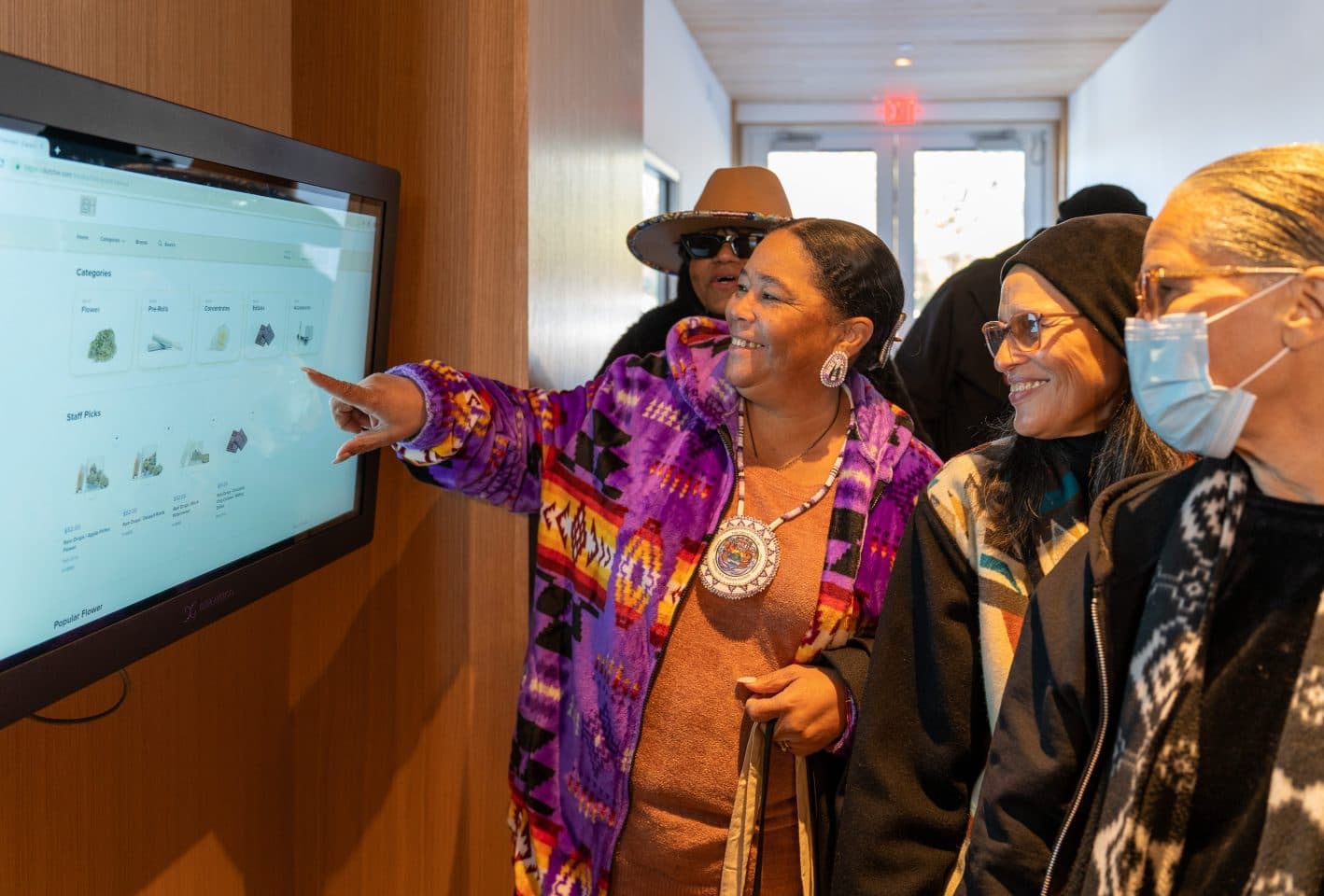
The dispensary’s ambitions go far beyond retail sales, especially as the summer season brings a dramatic influx of visitors to the Hamptons. Many customers arrive from regions with limited or no legal cannabis access, making Little Beach Harvest a unique destination. But the real distinction lies in the community space the dispensary provides. As Wright described, "We allow the open space for these people to be free of their usual worries. Not have to hide somewhere in their car." The store hosts game nights, art shows, health education events, and more, aiming to break old stereotypes and foster a vibrant, inclusive atmosphere
Wright’s vision positions cannabis as a catalyst for broader social and economic revitalization within the Shinnecock Nation. "We’re trying to take our people out of poverty, and we’re trying to build businesses for ourselves," he said, highlighting the deeper mission behind the enterprise. By focusing on community, cultural integrity, and self-determination, Little Beach Harvest is setting a new standard for Indigenous cannabis operations. From the OG Lab newsroom perspective, this model demonstrates how tribal regulation and entrepreneurial networks can offer resilience and innovation in a challenging regulatory climate, signaling a path forward for other tribal nations seeking to enter the cannabis industry