Marijuana Arrests Plummet Nationwide as Legalization Expands, Report Finds
A new report finds that marijuana arrests have sharply declined in states with legalization, but tens of thousands are still jailed each year in states that maintain prohibition
Key Points
- 1Cannabis arrests in the U.S. dropped from over 870,000 in 2007 to 211,104 in 2025 as legalization spread
- 2Legalization states saw cannabis arrest rates fall by an average of 85.53%, with possession arrests down 84.61%
- 3In 2025, prohibition states made more than eight times as many cannabis arrests as legalization states, despite having a smaller population
- 4Personal stories in the report highlight the lasting trauma and financial hardship caused by cannabis-related arrests
- 5FBI data shows marijuana offenses drive most drug-related arrests in several prohibition states, with possession accounting for the overwhelming majority
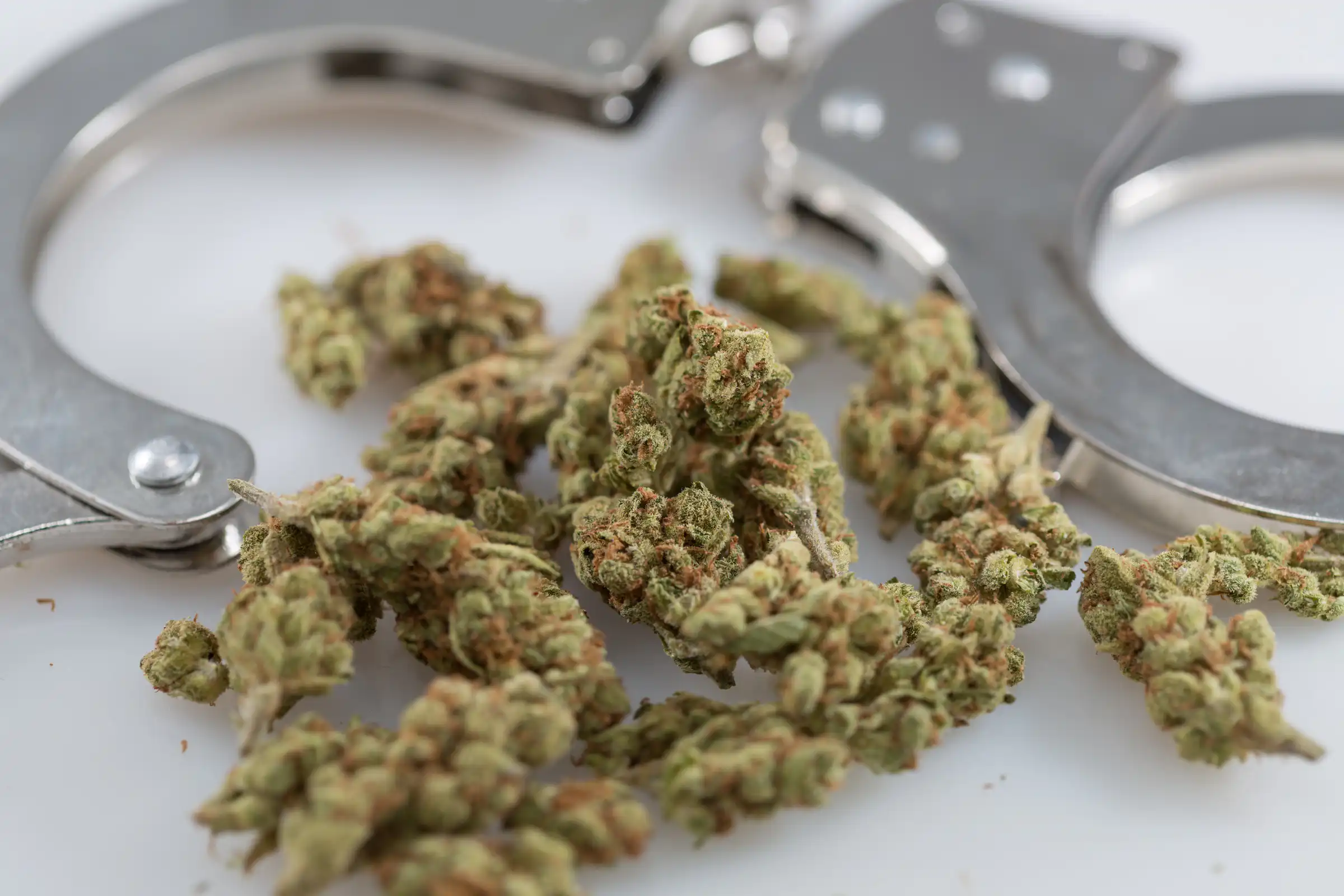
A new report from the Marijuana Policy Project (MPP) reveals that cannabis arrests in the United States have dropped sharply as more states have moved to legalize marijuana, but tens of thousands of people are still being arrested annually in states that maintain prohibition. The analysis, released on April 20, draws on FBI data to compare enforcement trends between states with and without legalization laws. According to the findings, the gap in arrest rates between these two groups has widened significantly as reforms take hold across the country
The report documents that since 1995, there have been over 21 million cannabis arrests in the U.S., but annual arrests have fallen from a peak of more than 870,000 in 2007 to an estimated 211,104 in 2025. In the 24 states with legal cannabis, arrest rates have dropped by an average of 85.53%, with possession arrests down 84.61% and sales-related arrests decreasing by 80.39%. "With cannabis legal and regulated, we anticipated that arrest rates for possession, manufacturing, and sales would plummet as demand shifted to the legal, regulated market. The data backs that up," the report states
Despite these declines, the report emphasizes the ongoing consequences for individuals in prohibition states. In 2025, police in legalization states made 22,357 cannabis arrests, while those in prohibition states made 186,581 arrests—more than eight times as many, despite a smaller combined population. MPP's executive director, Adam Smith, highlighted the human toll: "That is still an alarmingly high number, with each of those arrests representing an actual person whose current reality and future prospects may well be derailed by a criminal record."
Personal stories included in the report underscore the life-altering impact of cannabis enforcement. One individual recounted being jailed for 23 days and incurring thousands in legal costs for possessing $20 worth of cannabis, while another described spending 46 days in jail for a single gram, resulting in long-term trauma and financial hardship. The report notes that even brief periods of incarceration can have cascading effects, such as job loss, housing instability, and lasting barriers due to criminal records. "Arrests can be traumatic and incarceration is even more so. A day of missed work due to an arrest can result in job loss, which can result in lost housing and homelessness," the report warns
Enforcement disparities remain stark. According to Marijuana Moment, FBI data show that in several prohibition states, marijuana offenses account for over half of all drug-related arrests. In Alabama, Nebraska, North Dakota, South Dakota, Texas, Utah, and Wyoming, over 97% of cannabis arrests are for possession rather than trafficking. Meanwhile, some legal states still impose strict limits on possession and penalize public consumption or underage use, highlighting that even in reform states, full decriminalization is incomplete
From the OG Lab newsroom perspective, this new data illustrates both the transformative power of legalization and the urgent need for further reform. While the dramatic drop in arrests in legal states represents a major shift in drug policy, the persistence of high arrest rates in prohibition states—and lingering penalties even in some legal jurisdictions—shows that the fight for comprehensive cannabis justice is far from over. As public sentiment and legislative momentum continue to build, stakeholders will be watching closely to see how remaining states respond to mounting calls for change