Mexico Sees Massive Pro-Cannabis March as Congress Fails to Act on Legalization
More than 15,000 people marched in Mexico City and across Latin America demanding cannabis legalization after four years of congressional inaction, highlighting growing public pressure and regional coordination
Key Points
- 1Over 15,000 people marched in Mexico City on May 2 to demand cannabis legalization
- 2Parallel protests took place in other Mexican cities, Medellín, and Santiago, marking unprecedented regional coordination
- 3Mexico's Congress has failed to pass cannabis legislation despite a 2021 Supreme Court ruling requiring action
- 4Protesters called for regulation that creates jobs, protects human rights, and enables therapeutic cannabis access
- 5Canada, Germany, and Uruguay provide international examples of successful cannabis legalization cited by activists
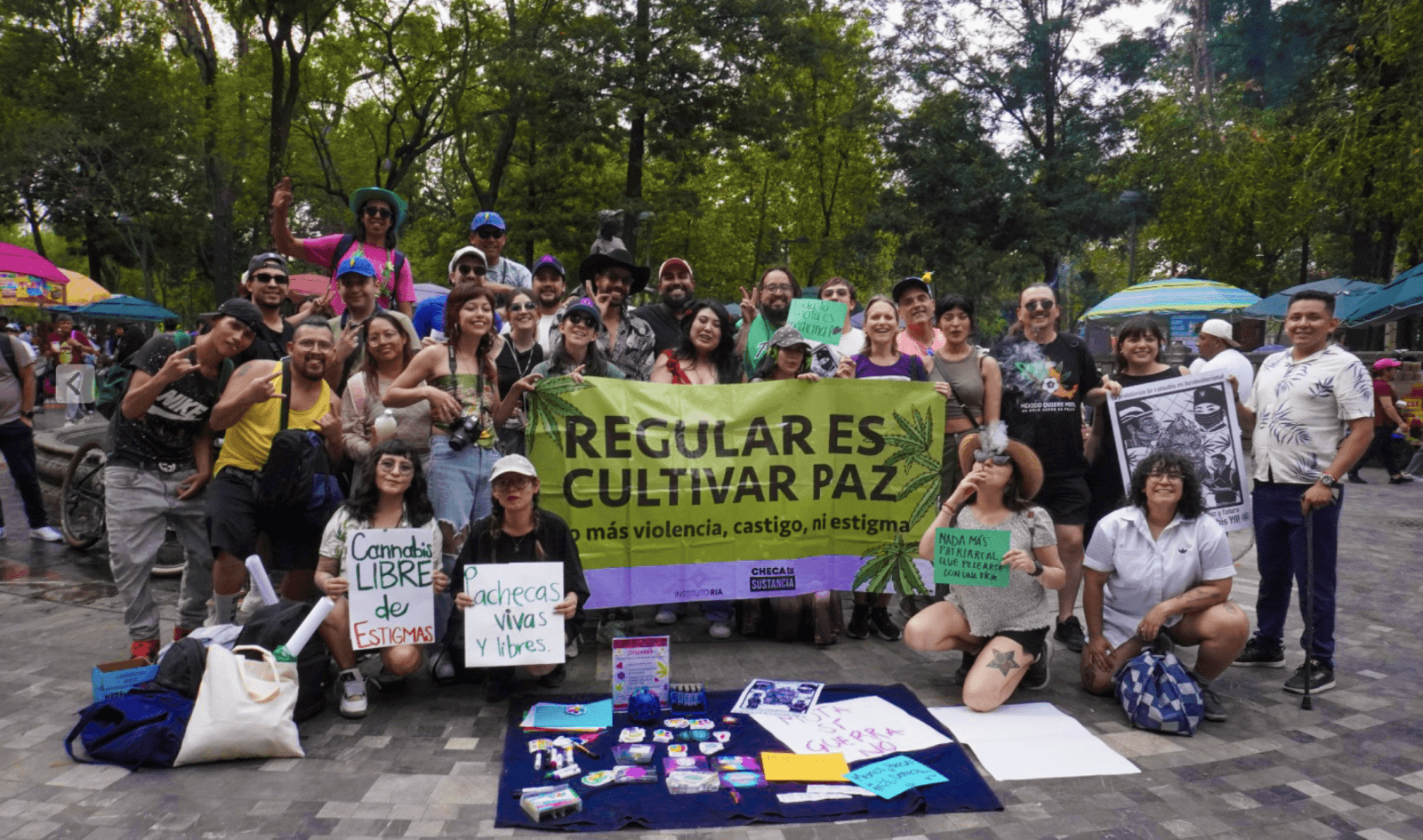
On May 2, more than 15,000 demonstrators took to Mexico City's streets, demanding long-overdue cannabis legislation amid years of congressional inaction. The protest, part of the Global March for Cannabis Decriminalization, stretched from the Palacio de Bellas Artes to the Angel of Independence and was mirrored by parallel mobilizations in Guadalajara, Monterrey, Mérida, Tijuana, Pachuca, Toluca, Medellín, and Santiago. According to High Times, this marks the first time the movement has expanded so broadly across Mexico and Latin America, with participants united in calling for legislative change
The roots of the protest lie in Mexico's ongoing legal limbo. In 2021, the nation's Supreme Court ruled the prohibition of recreational cannabis use unconstitutional, obligating Congress to pass a regulatory framework. Four years on, lawmakers have yet to act, leaving a patchwork of more than 12,000 court-granted personal cultivation authorizations and a grey market of unregulated storefronts. This legal vacuum has allowed for arbitrary enforcement and discriminatory policing, disproportionately affecting racialized communities and youth
Marchers included a diverse cross-section of Mexican society: activists, business owners, patients seeking medical cannabis for chronic conditions, and entire families wary of criminalization. The demonstration remained peaceful, with live music, creative costumes, and detailed informational signage countering decades-old stigmas. "Regulation is not just about addressing a pending legislative debt, but about taking responsibility for a social reality that already exists," said Zara Snapp, director of Instituto RIA, in a statement delivered to the Senate
The protest's demands were clear and consistent: comprehensive cannabis regulation that creates formal jobs, protects users' human rights, and ensures therapeutic access. The event was the result of months of coordination among civil society organizations across Latin America, including Instituto RIA, Educannabis, and La Mata No Mata. A symbolic gesture during the march saw El Zurdo of Positronics distribute over 300 cannabis seeds to participants, reinforcing the message that "somewhere on this same continent, with people not so different from us, this fight has already been won."
International precedent underscores the protesters' position. Canada’s 2018 legalization saw a 70-80% drop in adult cannabis-related criminal incidents over three years, while Germany and Uruguay have also enacted reforms. Despite Mexico’s Supreme Court ruling and growing public support, legislative will remains absent. As High Times noted, the movement’s regional coordination has set a new precedent, making it increasingly difficult for lawmakers to ignore the issue
From the OG Lab newsroom perspective, the scale and coordination of this year’s marches signal a pivotal moment for cannabis reform in Latin America. With mounting evidence from abroad and a groundswell of public demand, the pressure on Mexico’s Congress to act is more intense than ever. The outcome could shape not only national policy but also set the pace for regional change in the global cannabis landscape