Nonprofit Funds First Comprehensive Nutritional Analysis of Whole Hemp Biomass in U.S
A nonprofit has funded the first comprehensive U.S. nutritional study of whole hemp biomass, revealing key data absent from federal databases and exposing gaps in USDA research priorities
Key Points
- 1Food First Initiative spent $9,379.20 to commission accredited labs to analyze whole hemp biomass
- 2The study found high levels of calcium, potassium, protein, and fiber in the Amaze Auto hemp cultivar
- 3USDA has not included whole hemp biomass in its main nutritional database, focusing only on seeds
- 4The nonprofit's findings are preliminary and not yet peer-reviewed, with further research needed across cultivars and climates
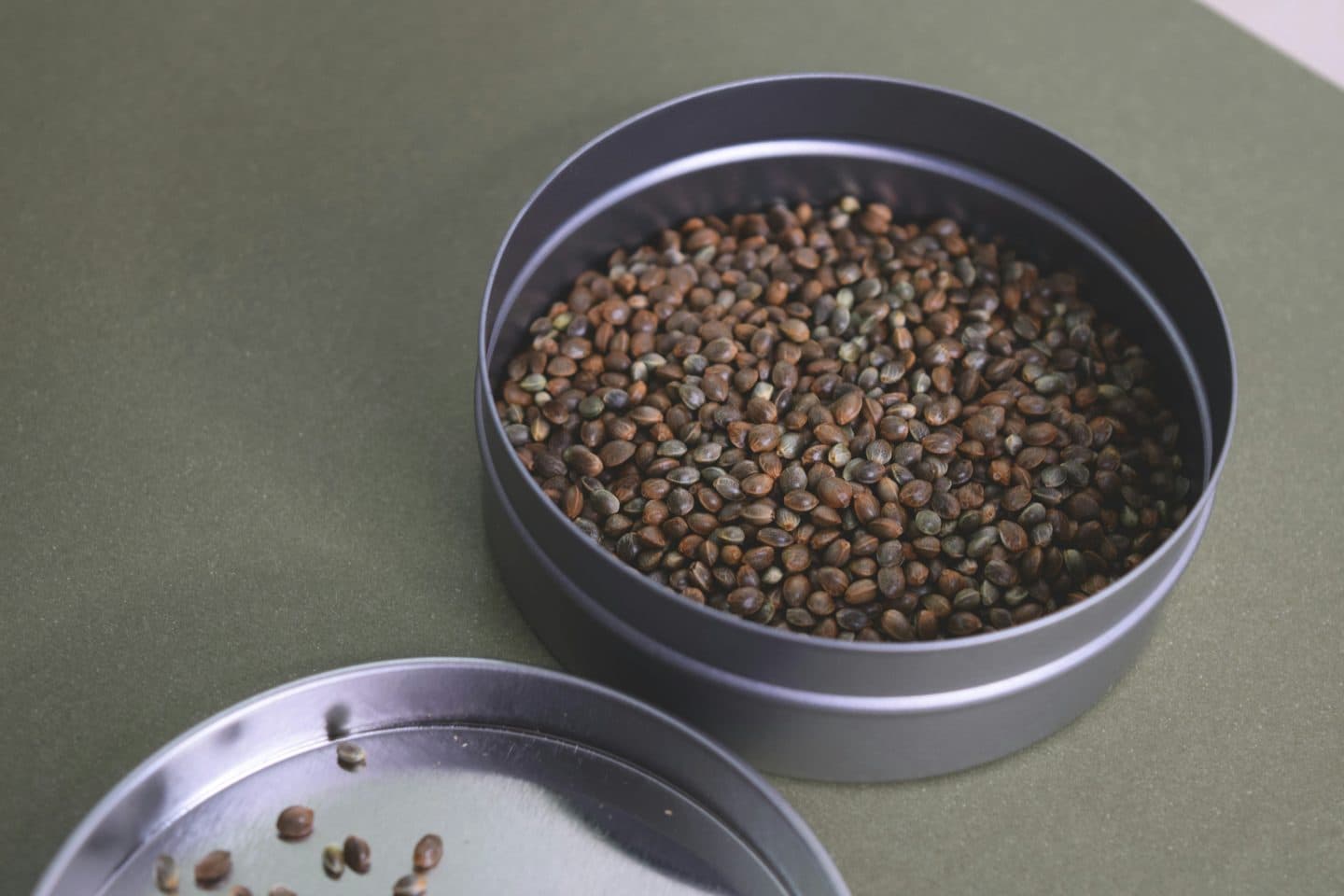
A nonprofit organization has stepped in to fill a significant research gap left by federal agencies, commissioning the first publicly available nutritional analysis of whole hemp biomass in the United States. Despite hemp's legalization as a food crop in 2018, the U.S. Department of Agriculture (USDA) has yet to include the entire plant in its primary nutritional database, focusing solely on hemp seeds. This omission has left manufacturers, consumers, and researchers without crucial data on the plant’s full nutritional profile
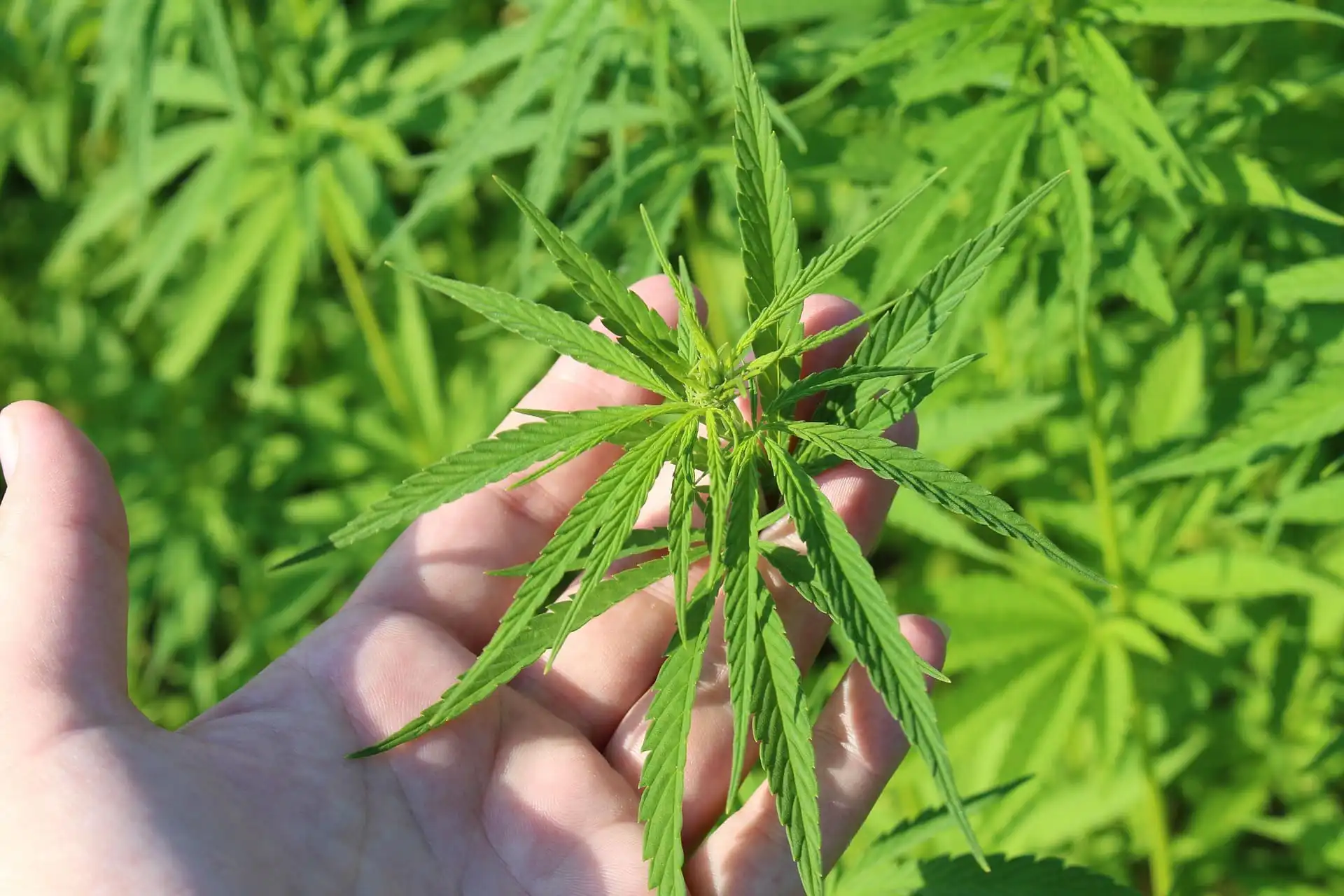
Food First Initiative (FFI), a 501c3 advocacy nonprofit, invested $9,379.20 of donor funds to have accredited private laboratories analyze the nutritional content of the Amaze Auto hemp cultivar, grown in Flint, Michigan. The labs, AGQ USA and Eurofins Nutrition Analysis Center, produced detailed findings: in 100 grams of dried seedless hemp biomass, there are 5,990 mg of calcium, 2,336 mg of potassium, 8.67 grams of protein, and 34.6 grams of dietary fiber. When seeds are included, protein rises to 12.1 grams and fiber to 35.6 grams per 100 grams, with 321 calories
The research also revealed that Eurofins detected seven essential amino acids in all tested samples, with glutamic acid leading the profile at 1.46 percent for dried hemp with seeds. The tested hemp, grown organically and confirmed federally compliant with 1.27% total CBD and no detectable THC, provided a unique but limited data set. “What it is: the first publicly available baseline nutritional profile of whole hemp biomass in the United States. Generated because nobody at the federal level had done it,” the report states
Despite hemp’s federal legalization, the USDA has not prioritized studying the whole plant for its nutritional value. According to documents obtained under the Freedom of Information Act, the agency’s process focuses on foods that are widely consumed, fortified, or part of feeding studies, categories that whole hemp biomass does not currently meet. Food First Initiative had requested the USDA’s involvement in such research, but the agency declined, citing its existing workflow priorities
The nonprofit’s advocacy-driven mission is to see cannabis recognized as a "food first" within U.S. government agencies and to ultimately reduce federal regulations on the plant. FFI acknowledges the limitations of its study, noting, "The next round of testing, FFI says, will need to be replicated across cultivars and climates before any of this travels beyond a baseline." The organization has not disclosed its "title sponsors," and the lab work was commissioned through NutriData, a Las Vegas-based entity, raising questions about transparency but not about the validity of the methods used
From the OG Lab newsroom perspective, this development highlights a persistent gap in federal research infrastructure for cannabis-derived foods. As interest in hemp-based products grows, the lack of comprehensive, peer-reviewed nutritional data could hinder both regulatory clarity and market innovation. Industry stakeholders will be watching closely to see if this nonprofit effort prompts broader federal engagement or inspires similar grassroots research initiatives