Prachachat Party Pledges Cannabis Reclassification and Youth Protection in Pattani Election Campaign
Prachachat Party leader Tawee Sodsong campaigned in Pattani, pledging to reclassify cannabis as a narcotic and prioritize youth safety and inclusive policy
Key Points
- 1Prachachat Party campaigned in Pattani’s Saiburi district with a focus on youth and education
- 2Leader Tawee Sodsong advocated for reclassifying cannabis and kratom as narcotics
- 3Proposals include tax-free zones and economic support for local agriculture and fisheries
- 4Party emphasized inclusivity, meeting with both Islamic and Chinese community groups
- 5OG Lab notes the campaign could signal a shift toward stricter cannabis regulation in southern Thailand
Campaigning in Pattani’s Saiburi district, Pol. Col. Tawee Sodsong, leader of the Prachachat Party, made a strong push for his party’s candidate, Abdulkoha Awaputeh, while laying out clear policy stances including a call to reclassify cannabis and kratom as narcotics. According to Matichon, Tawee emphasized the party’s commitment to inclusivity by meeting with both Islamic school communities and local Chinese associations, aiming to demonstrate a platform that unites diverse groups in southern Thailand
During his visit to Saiburi Islam Wittaya School, Tawee highlighted the importance of education as a tool for social upliftment and not merely a profit-driven enterprise. He stated, “Education is an investment by the state, not a business for profit,” underscoring the party’s intention to reduce student debt burdens and make education more accessible. This resonated with both teachers and alumni, reinforcing the party’s appeal to youth and educators in the region
At a subsequent meeting with the local Chinese rescue association, Tawee reiterated the party’s cross-cultural vision, stressing that Prachachat is not tied to any one religion but is a party for all Thais. He proposed the establishment of special economic zones and tax-free areas in the southern border provinces to attract investment and lower production costs for fisheries and agriculture. The party also set ambitious targets for lowering fuel prices and stabilizing rubber prices to support local farmers and producers
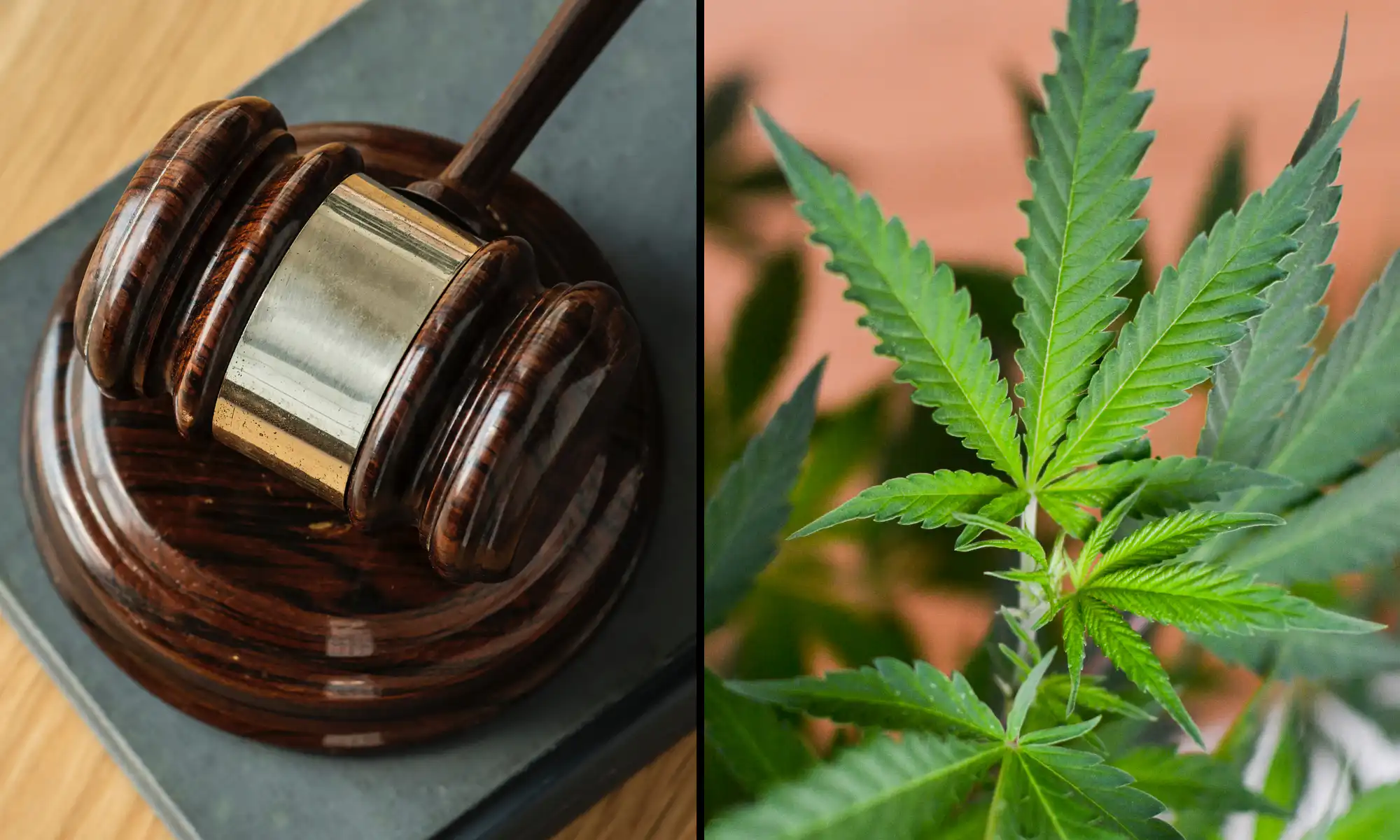
A central feature of Tawee’s campaign was his hardline stance on narcotics policy, particularly regarding cannabis and kratom. He declared that, if elected, the Prachachat Party would work to return these substances to the controlled narcotics list, citing growing community concerns over youth exposure. “Our children must be safe. Today, drugs destroy everything. We will not allow economic interests to jeopardize the future of our youth,” Tawee said, emphasizing a vision of ‘edible peace’ backed by legal fairness and equal protection
With the election scheduled for February 8, the campaign’s timing and messaging reflect heightened public debate over Thailand’s evolving cannabis laws. The party’s strong anti-drug rhetoric and focus on youth safety set it apart from more liberal stances in the national conversation. From OG Lab’s perspective, this development signals a potential shift in Thailand’s cannabis policy, with the southern provinces emerging as a battleground for stricter regulation and community-led approaches to drug control. The outcome of this election could influence national discussions on cannabis and shape future policy frameworks across the country