President Trump Orders $50 Million Federal Boost for Ibogaine and Psychedelic Research
President Trump has signed an executive order allocating $50 million in federal funding to fast-track ibogaine research and accelerate FDA review of psychedelic therapies, with decisions possible as early as this summer
Key Points
- 1President Trump signed an executive order on April 18 to fast-track psychedelic therapy research, focusing on ibogaine
- 2$50 million in federal funding will support state-backed ibogaine research, matching Texas's own $50 million commitment
- 3The FDA may issue decisions on ibogaine therapies as early as this summer, according to Commissioner Dr. Marty Makary
- 4Advocates and researchers stress the need for rigorous, evidence-based processes and regulated access as research accelerates
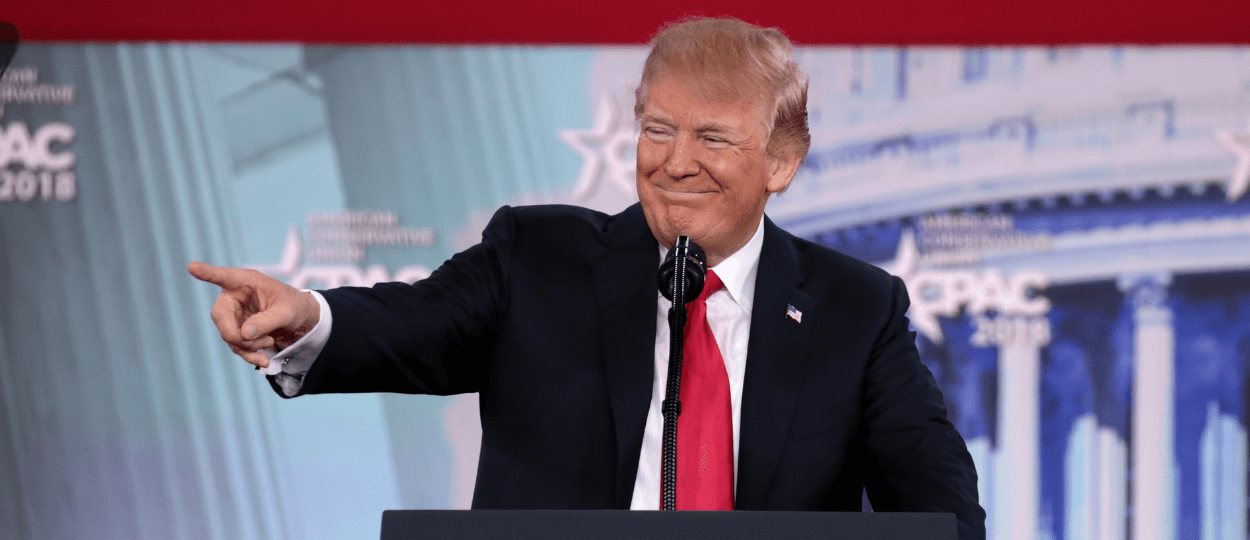
In a landmark move for the psychedelics field, President Donald Trump has signed an executive order directing federal agencies to fast-track research and approval for psychedelic therapies, with a specific focus on the compound ibogaine. The order, signed in the Oval Office on April 18, commits $50 million in federal funding through the Department of Health and Human Services to support state-backed research, notably in Texas, which had already allocated an equivalent sum for ibogaine studies. The signing included prominent figures such as Health and Human Services Secretary Robert F. Kennedy Jr., podcast host Joe Rogan, and veterans advocate Marcus Luttrell, underscoring the bipartisan and cross-sector support for the initiative
The executive order names ibogaine as an immediate research priority, directing the FDA to expedite reviews for it and other psychedelics that have received Breakthrough Therapy designation. According to FDA Commissioner Dr. Marty Makary, decisions on ibogaine could arrive as early as this summer, with Makary stating that drugs aligned with national priorities could be approved 'in weeks, not a year or a year-plus.' The order also opens the door for broader review of other compounds, including psilocybin, LSD, and MDMA, which remain federally illegal but may benefit from the new framework
The push for federal action was catalyzed in part by advocacy from veterans and high-profile endorsements. Joe Rogan, who has dedicated significant attention to ibogaine's potential for treating PTSD among veterans, described the rapid progression from his initial outreach to the president: 'Sounds great, do you want FDA approval? Let’s do it,' Rogan recounted of Trump's immediate response. Veterans advocates, including Marcus and Representative Morgan Luttrell, have been at the forefront, with the latter vowing alongside Representative Michael McCaul to pursue further legislation to expand access to psychedelic therapies
While the executive order has been welcomed by many in the research and veterans communities, experts urge caution to ensure scientific rigor and public health remain paramount. Ismail L. Ali, co-executive director of the Multidisciplinary Association for Psychedelic Studies (MAPS), emphasized the need for transparent, evidence-based processes: 'As federal agencies are directed to reduce barriers to clinical research and accelerate drug approvals for psychedelic substances, it is critical that these efforts remain grounded in transparent, evidence-based processes.' Betty Aldworth, also of MAPS, highlighted the risks of unregulated access and the importance of provider training and insurance coverage, warning that 'acceleration of approval timelines must be paired with regulated access.'
Ibogaine, derived from the iboga shrub of Central Africa and classified as a Schedule I substance in the U.S. since 1970, has shown promise in treating PTSD and opioid use disorder, particularly among veterans. However, it carries significant risks, including potential cardiac complications, and its use in clinical settings requires stringent safety protocols. The executive order also addresses the need for sustainability and cultural respect, as large-scale ibogaine production could impact the indigenous communities and environments where iboga is cultivated
From the OG Lab newsroom perspective, this executive order marks a turning point for the U.S. approach to psychedelic research, signaling a willingness at the highest levels of government to reconsider long-standing drug policies. The swift federal action, combined with state efforts and bipartisan support, could accelerate the development and approval of new therapies for conditions like PTSD and addiction. However, the ultimate impact will depend on how rigorously agencies like the FDA and DEA implement these directives and balance innovation with patient safety. The coming months will reveal whether this new momentum translates into meaningful change for patients and the broader psychedelics industry