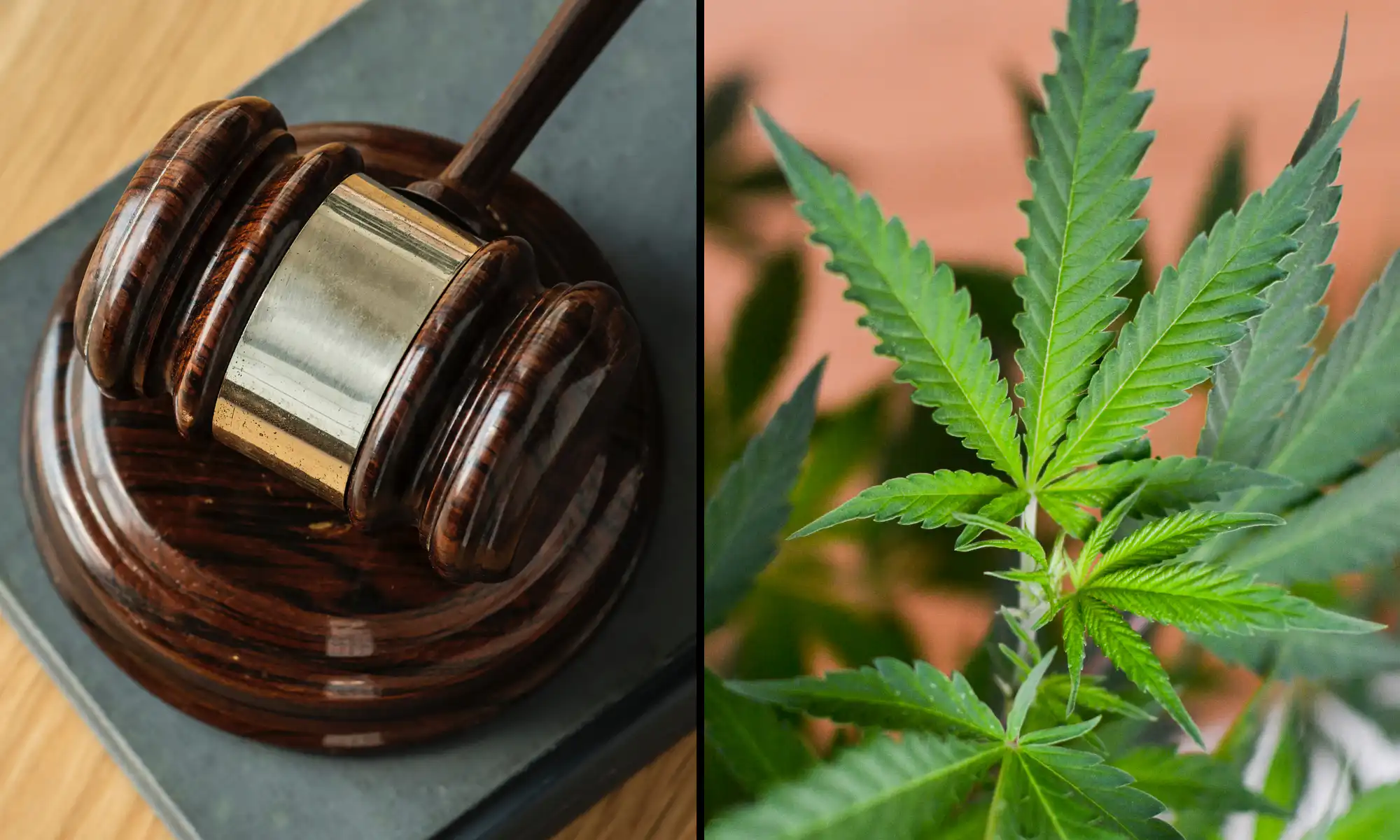
Republican Opposition to Trump’s Marijuana Rescheduling Threatens Broader Cannabis Reform
Republican leaders' opposition to President Trump's marijuana rescheduling order poses a new hurdle for cannabis reforms like banking protections and hemp regulations in the U.S
Key Points
- 1President Trump's executive order aims to reclassify cannabis as a Schedule 3 drug
- 2Key Republican lawmakers have publicly opposed the rescheduling initiative
- 3The move could yield significant tax benefits but faces legal and political uncertainty
- 4Further reforms, such as cannabis banking protections, require Congressional action and bipartisan support
- 5OG Lab notes that ongoing political divisions could stall broader cannabis industry reforms in the near future
President Donald Trump's recent executive order to reclassify cannabis as a less dangerous drug marks a historic shift in U.S. federal policy, but has sparked significant backlash within his own party. According to MJBizDaily, key Republican lawmakers, including House Speaker Mike Johnson and Senator John Barasso, have openly opposed the move, urging Trump not to proceed with marijuana rescheduling. This internal party conflict highlights a deep divide between the executive branch and influential GOP figures who prefer to maintain the status quo regarding cannabis regulation
The executive order, issued on December 18, directs the Justice Department to expedite the process of moving cannabis from Schedule 1 to Schedule 3 under federal law. While this action could eventually provide substantial tax relief to the $32 billion legal cannabis industry by removing the burden of IRS Code section 280E, the timeline for formal reclassification remains uncertain. Legal experts cited by MJBizDaily note that opponents have vowed to challenge the order in court, and that the rescheduling alone will not resolve the industry's banking challenges without further legislative action
Securing banking protections for cannabis businesses remains a top priority, but Republican resistance to rescheduling may stall progress on measures like the SAFER Banking Act. Achieving such reforms requires Congressional approval, a prospect complicated by the increasing polarization over cannabis policy. As the article notes, 'Wins like that need acts of Congress, where deadlocks on controversial topics such as cannabis reform have proved difficult to break.' This gridlock could hinder other critical reforms sought by the industry, including revisiting the hemp-derived THC ban
The opposition is not limited to congressional leaders; it reflects broader sentiment within the Republican base. A recent Gallup poll found that only 40% of self-identified Republican voters support cannabis legalization, a sharp decline from previous years. In contrast, 85% of Democrats and 66% of independents favor legalization, underscoring the partisan divide. Senator Cynthia Lummis, who previously supported marijuana banking reforms, also signed a Senate letter opposing rescheduling, illustrating the complex and sometimes contradictory stances within the party
Looking ahead, Trump's executive order could open new avenues for collaboration between the White House and Congress on issues such as the reclassification of hemp and regulation of cannabinoid products. However, the current political climate suggests that any significant progress will be challenging without bipartisan support. From the OG Lab newsroom perspective, this development spotlights the fragility of cannabis reform efforts in the U.S. and signals that the industry must brace for continued uncertainty as political and legal battles play out. The evolving stance of Republican lawmakers will be crucial to watch as the 2026 midterm elections approach and the future of federal cannabis policy hangs in the balance