Retired Federal Agent Shares How Psychedelic Therapy Transformed Grief Management
Retired federal agent Kemmi Sadler described how ayahuasca therapy helped her confront unresolved grief from her law enforcement career and now advocates for broader access to traditional healing practices
Key Points
- 1Retired agent Kemmi Sadler turned to ayahuasca to address longstanding grief from her law enforcement career
- 2Sadler spent over a year researching trauma and psychedelic therapy before attending a ceremony
- 3She described her ayahuasca experience as a direct engagement with grief leading to forgiveness and understanding
- 4Sadler now advocates for safe, legal access to traditional psychedelic therapies through her organization Legalize the Divine
In a candid reflection on her law enforcement career, retired Supervisory Special Agent Kemmi Sadler has opened up about how psychedelic therapy, specifically ayahuasca, helped her confront long-buried grief. Sadler, who spent decades with the Diplomatic Security Service and the St. Augustine Police Department, described her journey from skepticism to acceptance of psychedelics as a tool for healing trauma. Her experience, shared with Marijuana Moment, details a transformation from reliance on discipline and control to embracing vulnerability and self-examination
Sadler’s story is rooted in a traumatic event during her assignment at the U.S. Embassy in Iraq, where a colleague named Amel and her husband were kidnapped and killed. The guilt from this incident lingered for nearly two decades, influencing both her work and personal life. "For years, I had treated grief like so many in our field do—mainly by repressing it and soldiering on," Sadler explained. Despite her commitment to evidence and procedure, she began to question whether her coping mechanisms were truly effective, particularly after retiring from active duty
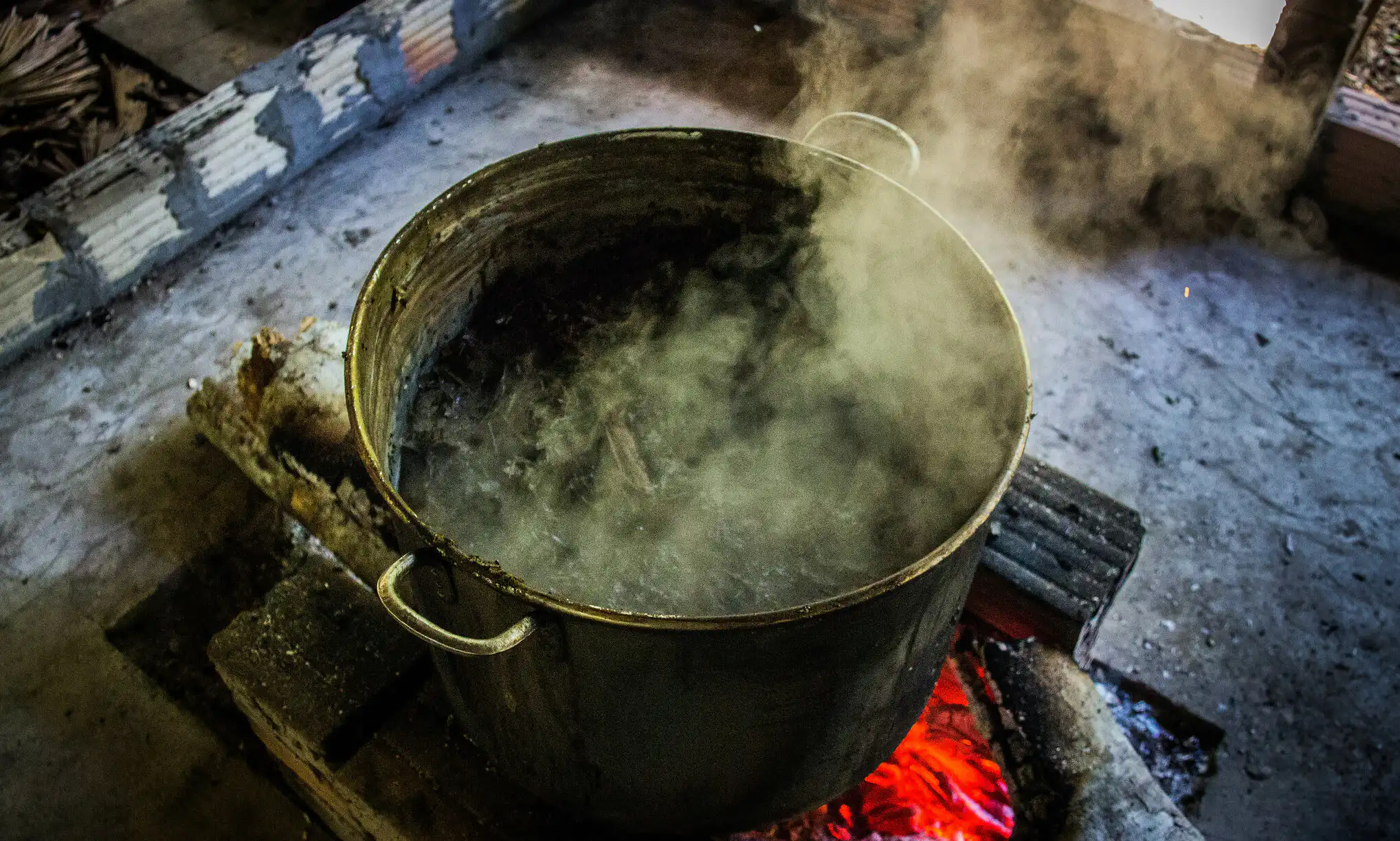
Her skepticism about psychedelics began to shift after learning about ayahuasca, a traditional Amazonian brew, and hearing testimonies of its therapeutic potential. Motivated by both professional curiosity and personal need, Sadler spent over a year researching clinical studies and listening to veterans and others who reported lasting healing from psychedelic therapy. This intellectual investigation led her to attend an ayahuasca ceremony—her first experience with any illicit substance, having previously relied only on alcohol and tobacco to manage her emotions
The ayahuasca experience, according to Sadler, marked a pivotal shift in her approach to grief. "What I experienced with ayahuasca was not an escape from grief, but a direct engagement with it It was a fundamentally different process than the one I had relied on throughout my career—not control or suppression, but forgiveness, surrender and understanding," she recounted. This process inspired her to author the memoir "From the Badge to the Vine," documenting her journey from law enforcement to psychedelic healing advocacy
Sadler now urges other first responders to reconsider the tools they use to address trauma, emphasizing the limitations of traditional coping strategies. She advocates for self-examination and openness to alternative therapies, noting, "My hope is that others in this profession will give themselves permission to turn their investigative eye inward in an effort to serve themselves." Through her organization Legalize the Divine and as a speaker for the Law Enforcement Action Partnership, Sadler campaigns for safe, legal access to traditional healing practices
From the OG Lab newsroom perspective, Sadler’s account highlights a growing trend of law enforcement veterans turning to psychedelic therapy for trauma relief. As the conversation around mental health and alternative medicine evolves, her story underscores the need for evidence-based exploration of new treatment modalities, especially for those in high-stress professions. The cannabis and psychedelics industries should closely monitor such personal narratives, as they may shape future policy and public perception