Study Shows THC Beverages Cut Alcohol Use in Half as New Ban Looms
A major new study finds that people who consume THC beverages cut their alcohol use by about half, but upcoming federal regulations threaten to ban all tested products from the market
Key Points
- 1Participants who drank THC beverages were about half as likely to consume alcohol on the same day
- 2The study tracked 4,516 people across 36 products and 23 brands, with THC doses from 1 to 10 milligrams
- 3Two-thirds of participants reported drinking less alcohol, and 56% said THC drinks were a regular replacement
- 4Section 781 of Public Law 119-37 will ban any product with more than 0.4mg THC per container starting November 12
- 5The study was observational and self-reported, with no clinical trial or placebo group
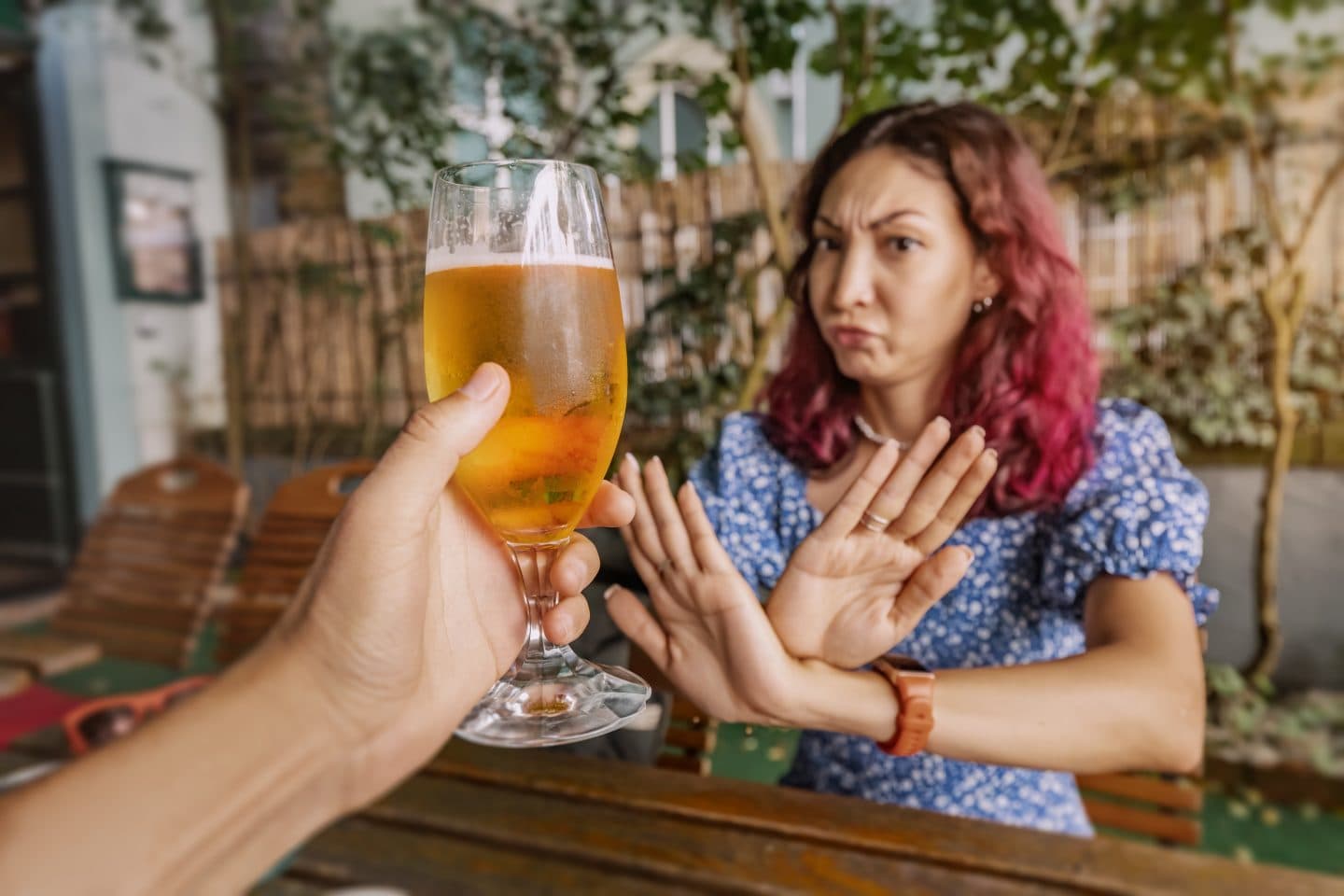
A sweeping new study of hemp-derived THC beverages has revealed a striking trend: consumers who drank these products were about half as likely to consume alcohol on the same day. Over 4,500 participants logged their daily drinking habits across three weeks, providing robust behavioral data rather than relying solely on self-reported surveys. According to the analysis, the probability of drinking alcohol dropped from 22.9% on baseline days to just 10.9% on days when participants consumed a THC beverage
The research, conducted by MoreBetter, tracked 36 products from 23 brands, with THC doses ranging from 1 to 10 milligrams per serving. The study's design allowed each participant to serve as their own control, comparing their alcohol use before and after trying the beverages. "Every one of the 23 significant results moved the same direction. No product produced a significant result pointing the other way," the findings summary confirmed, adding weight to the core conclusion
Survey data further reinforced the behavioral findings: two-thirds of participants reported drinking less alcohol, and 56% identified THC beverages as a regular substitute. Notably, 86.6% of users believed these drinks were healthier than alcohol, though the study did not test safety directly. Fifty days after the study, 63% of respondents said they were still drinking less alcohol, while only 2.4% reported an increase, suggesting some durability to the substitution effect
Despite these positive findings for the THC beverage category, looming federal regulations threaten to upend the entire market. Section 781 of Public Law 119-37, set to take effect November 12, caps total THC content at just 0.4 milligrams per container—far below the 1-10 milligram range tested in the study. As reported, "None of the 36 would survive it." Some brands are reformulating products to comply, while others are betting on congressional intervention before the deadline
The study also found that the average duration of effects was consistent across all products, lasting between two and 2.9 hours, regardless of brand or dose. However, experiences varied: only about half of users reported feeling high, aligning with the wide dose range. Productivity saw a modest boost on product days, with participants logging about 36 more minutes of productive time. Still, the research was observational and self-reported, with MoreBetter noting, "This describes what a large group of people reported while drinking these products. It does not establish that the products caused any of it."
OG Lab notes that the timing of these findings is critical as lawmakers debate the future of hemp-derived THC beverages. With $239 million in annual retail sales and a growing consumer base, the upcoming regulatory changes could reshape the landscape for both brands and drinkers. The study’s results highlight a consumer shift toward alternatives to alcohol, but the category’s future now hinges on the outcome of pending federal action