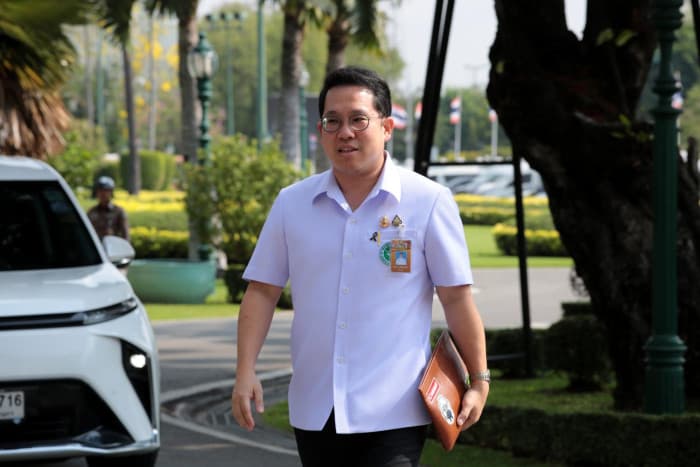
Thai Health Ministry Initiates NHSO Subcommittee Restructuring for Faster Decisions
Thailand's Public Health Ministry has launched a review to restructure NHSO subcommittees, aiming to improve decision-making and maintain the sustainability of the universal healthcare system
Key Points
- 1The Public Health Ministry is overhauling NHSO subcommittees to streamline decision-making
- 2Three subcommittees—benefits and service development, medicine procurement, and financial management—are the initial focus
- 3Permanent Secretary Somlerk Jeungsmarn will lead the review, with proposals due to the NHSO board next month
- 4The move addresses inefficiencies caused by over 365 annual meetings within the NHSO system
- 5Minister Pattana emphasized the reforms are unrelated to recent funding debates and aim to adapt to current healthcare needs
Thailand's Public Health Ministry is moving forward with a comprehensive overhaul of key National Health Security Office (NHSO) subcommittees, aiming to streamline operations and strengthen the sustainability of the country's universal healthcare system. The initiative comes amid increasing financial pressures and a need for more agile policy responses, according to Public Health Minister Pattana Promphat, who also chairs the National Health Security Commission
The review will focus on three crucial subcommittees that oversee benefits and service development, medicine procurement planning, and financial management. Minister Pattana clarified that these reforms are not linked to the recent debate over a 145-million-baht allocation for gender-affirming hormone therapy, but are instead part of ongoing discussions to modernize the NHSO's committee structure. "The current structure needed to be updated to reflect today's healthcare environment, where rising demand, limited financial resources and government policy priorities require faster and more coordinated decision-making," Pattana said after a Wednesday meeting
Permanent Secretary Somlerk Jeungsmarn has been tasked with leading the review, with recommendations expected to be presented to the NHSO board next month. One of the key drivers for the overhaul is the sheer volume of meetings—over 365 per year—held by the NHSO board and subcommittees, which officials say has contributed to slower decision-making and inefficiencies. Pattana emphasized that while public participation remains vital, the system must also "incorporate stronger policy direction from the NHSO board and government."
For Koh Samui residents and expats relying on Thailand’s universal healthcare, these reforms could lead to more responsive and effective health services. OG Lab notes that as the island’s population grows and healthcare needs evolve, a more streamlined NHSO could help ensure continued access to quality care and timely decision-making for both locals and visitors