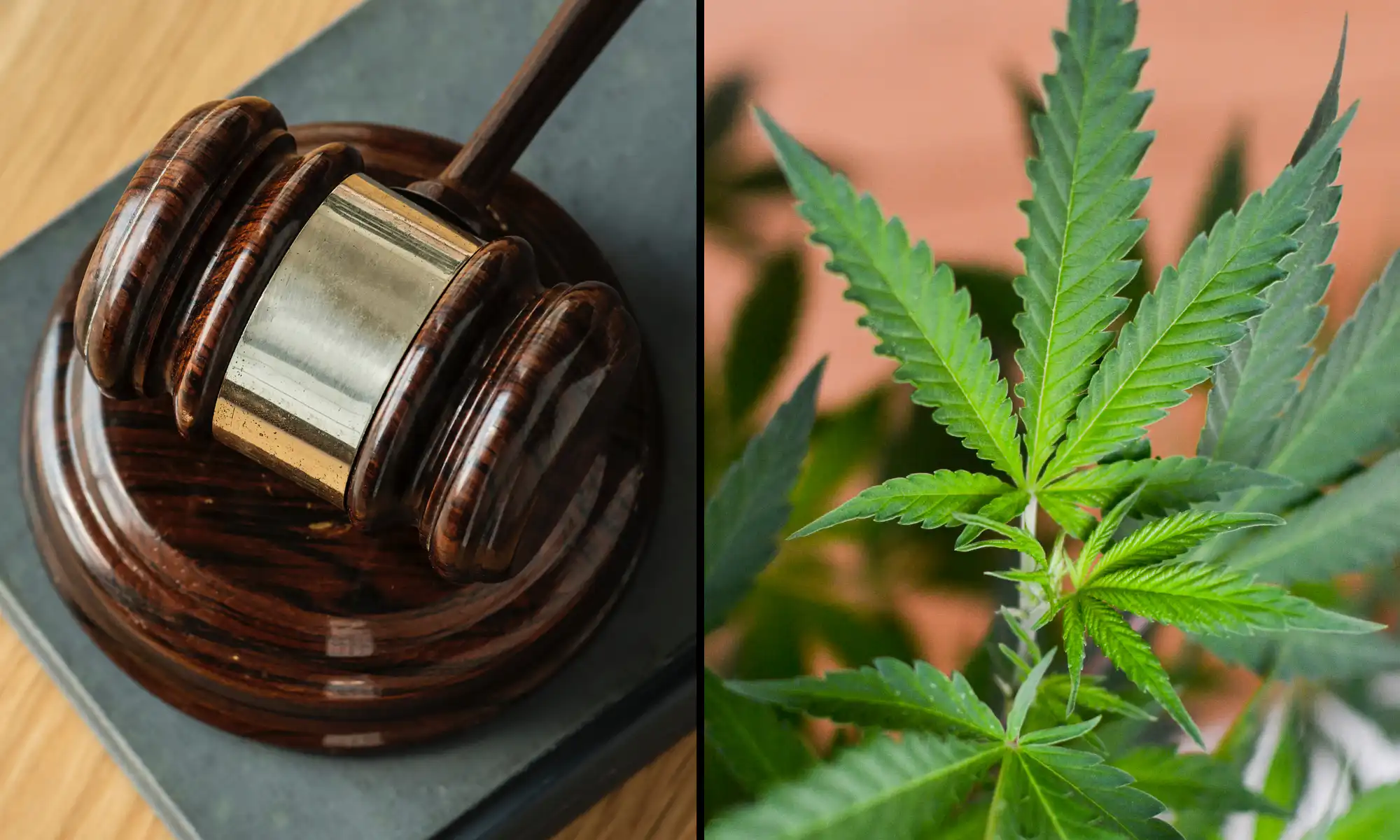
Thai Party Leader Thawi Announces Plan to Recriminalize Cannabis and Target Drug Trade
Prachachat Party leader Thawi Sodsong pledged to reverse cannabis decriminalization and intensify drug crackdowns if elected, citing rising psychiatric cases since legalization
Key Points
- 1Thawi Sodsong announced a 100-day plan to combat drugs and reverse cannabis liberalization
- 2He claims psychiatric disorders have risen 6.5 times since cannabis was decriminalized
- 3The party pledges to restrict cannabis use strictly to medical purposes
- 4Economic relief measures include lowering fuel prices and addressing household debt
- 5OG Lab notes that Thailand's cannabis policy future hinges on upcoming political developments
In a forceful policy announcement, Police Colonel Thawi Sodsong, leader of the Prachachat Party, declared that if his party forms the next government, it will prioritize a crackdown on drugs and a reversal of Thailand's cannabis decriminalization. Thawi outlined a 100-day plan focused on combating narcotics, reducing fuel prices, and addressing household debt, describing these as urgent national issues. He emphasized that the party would immediately launch operations to target drug traffickers and provide rehabilitation for users, while also proposing economic relief measures such as lowering oil prices and easing financial burdens for indebted citizens
Thawi was particularly critical of the 2022 decision to decriminalize cannabis in Thailand, a move that made the country the first in Asia to allow legal cannabis. He argued that the policy had led to severe social consequences, citing a notable increase in psychiatric disorders. "Psychiatrists have concluded that cases of hallucinations have risen 6.5 times since the legalization of cannabis," Thawi stated. He blamed current political leaders for failing to prioritize the wellbeing of citizens and vowed that Prachachat would introduce legislation to return cannabis to the list of controlled narcotics, restricting use solely to medical purposes
Alongside his stance on cannabis, Thawi highlighted the need for financial reforms to support ordinary Thais. He promised immediate action to reduce diesel and gasoline prices to no more than 20 baht per liter, referencing Singapore's fuel pricing as a benchmark and suggesting that cutting excise taxes would make this feasible. The party also plans to address issues such as student loans and household debt, particularly targeting those with debts ranging from 100,000 to 50 million baht, by enrolling them in rehabilitation programs
Thawi's rhetoric drew a sharp distinction between his party and others, using vivid metaphors to criticize political opponents and their role in the drug policy landscape. He likened the relationship between drug traffickers and politicians to that of cats and mice, warning that a lack of decisive action would damage the nation. "If the leader gives drugs to the people, peace cannot be achieved," he said, reiterating his commitment that under Prachachat, cannabis would only be available for strictly medical uses
According to Matichon, the party's hardline approach to both narcotics and cannabis policy reflects a broader pushback against the rapid liberalization seen in recent years. For the cannabis industry, this signals a period of uncertainty as political debates intensify ahead of upcoming elections. From the OG Lab newsroom perspective, the fate of Thailand's legal cannabis market will be closely tied to the outcome of these policy battles, making it a crucial space to watch for regulatory shifts and industry adaptation