Thailand's Constitution Reform Faces Delays and Political Debate
Thailand’s constitutional reform efforts face delays and debate over the Senate’s role despite public support for a new charter.
Key Points
- 1A February referendum approved drafting a new constitution with 58.6% voter support.
- 2Government delays and procedural disputes have stalled reform progress.
- 3Bhumjaithai Party plans to submit a new amendment draft proposing Senate role adjustments.
- 4Experts warn restarting the process discards previous negotiations and extends timelines.
Nearly three months after a referendum approving the idea of a new constitution, Thailand’s political landscape remains divided on how to proceed with genuine reforms. Despite a clear public mandate with 58.6% of voters in support, the process has been slowed by parliamentary disputes, committee formations, and disagreements over the Senate's role. The current 2017 constitution remains effective until a new charter is fully drafted, approved, and ratified.
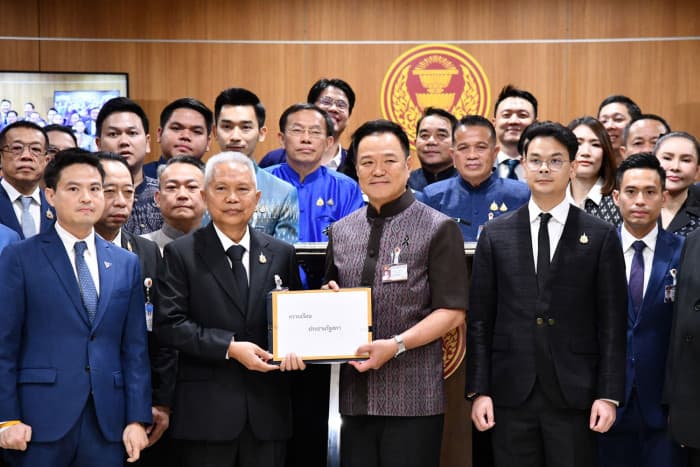
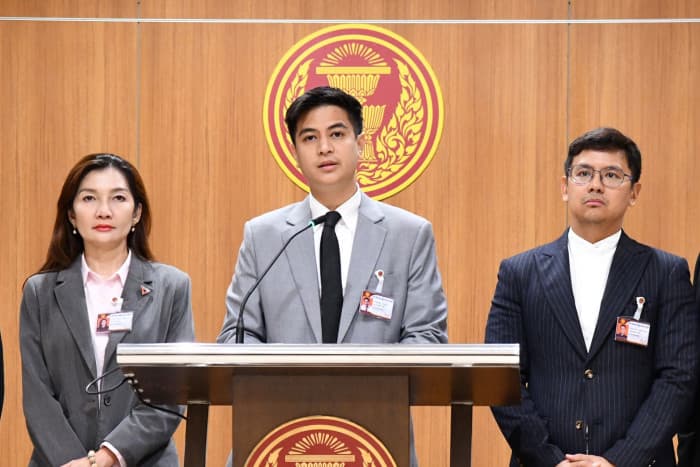
Recent cabinet decisions have only reconsidered a fraction of pending bills, notably excluding the key constitutional amendment bill that aimed to establish a Constitution Drafting Assembly (CDA). This omission has raised questions about the government’s commitment to swift reform. The Bhumjaithai Party (BJT), holding significant parliamentary seats, intends to propose its own amendment draft, emphasizing a new approach that balances Senate participation with reform goals.
Central to the debate is the Senate’s veto power over amendments, which has historically stalled progress. BJT suggests reducing the Senate’s threshold for approval rather than eliminating its role, aiming for a compromise that respects previous Constitutional Court rulings. The proposed drafting assembly would be indirectly elected through provincial mechanisms, inspired by the democratic 1997 constitution, while preserving sensitive chapters on the state and monarchy.
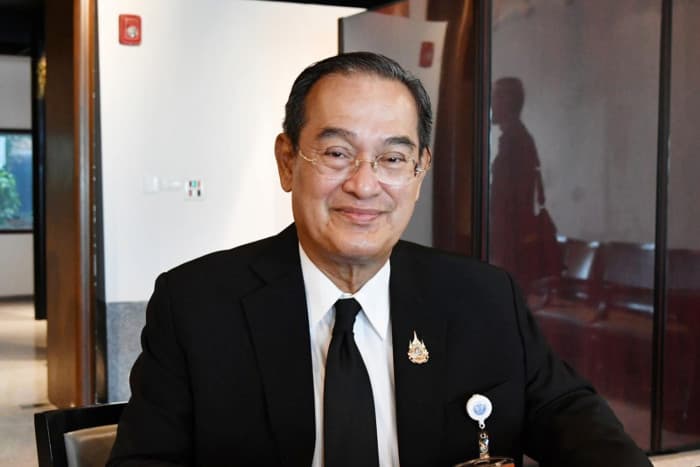
Constitutional experts criticize the government’s decision to discard the prior draft, calling it a setback that disregards months of negotiation. The process ahead remains lengthy, involving multiple stages including drafting, public hearings, and additional referendums. For those living or visiting Koh Samui, it’s a reminder that Thailand’s political evolution continues in the background, even as island life goes on. OG Lab notes that understanding these changes can deepen appreciation of the country’s unique cultural and political fabric.