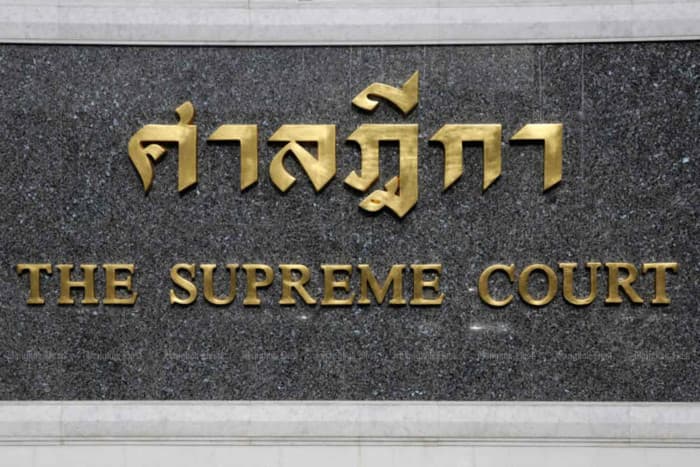
Thailand Supreme Court Establishes Guidelines to Prevent Abusive Lawsuits
Thailand's Supreme Court has released new guidelines to help courts identify and dismiss abusive criminal lawsuits, aiming to safeguard freedom of expression and prevent the misuse of the judicial process
Key Points
- 1The Supreme Court president issued the 2026 Guidelines on Bad-Faith Criminal Litigation to address abusive lawsuits
- 2Guidelines provide criteria for identifying and screening bad-faith criminal complaints, including SLAPP cases
- 3More than 109 SLAPP-type cases were filed in Thailand between 1997 and 2022, mostly criminal in nature
- 4Courts are encouraged to scrutinize cases involving false allegations or those targeting public-interest advocacy
- 5Judges are urged to use Section 161/1 of the Criminal Procedure Code to dismiss complaints filed in bad faith
Thailand's Supreme Court president has introduced comprehensive new guidelines designed to curb the misuse of criminal lawsuits intended to intimidate citizens or suppress freedom of expression. The guidelines, officially titled the 2026 Guidelines on Bad-Faith Criminal Litigation, aim to provide courts across the country with a clearer framework for identifying and screening out dishonest or abusive legal complaints. According to Bangkok Post (Thailand), these recommendations will soon be published in the Royal Gazette, marking a significant step in the nation's legal reforms
The move responds to mounting concerns over the rise of strategic lawsuits against public participation, known as Slapp cases, which critics say are often used to silence dissent and discourage civic engagement. Legal advocates have documented at least 109 Slapp-type cases in Thailand between 1997 and 2022, with over 90% classified as criminal cases—especially criminal defamation—placing immense pressure on defendants. The Supreme Court's recommendations outline specific indicators for abusive litigation, such as lawsuits meant to harass, threaten, or unduly burden defendants, as well as cases filed to extract improper benefits
Courts are now advised to be vigilant against complaints involving false allegations, misleading facts, or withheld information, and to pay particular attention to cases filed in distant jurisdictions without valid reason or those targeting individuals engaging in lawful public-interest activities. The guidelines also encourage judges to utilize Section 161/1 of the Criminal Procedure Code, which empowers courts to dismiss complaints filed in bad faith. "The new guidelines are intended to strengthen the use of that mechanism by giving judges clearer criteria at the complaint-review stage or during preliminary hearings," according to the Office of the Judiciary
For residents and visitors on Koh Samui, these reforms may help protect those who speak out on local issues—from environmental concerns to consumer rights—by reducing the threat of costly or intimidating lawsuits. OG Lab notes that clearer legal protections for freedom of expression and public participation are especially relevant for communities where advocacy and civic engagement play a vital role in shaping island life