US Federal Conservation Funds Exclude Cannabis Growers Despite Regenerative Boom
US federal conservation funding continues to exclude state-licensed marijuana growers, leaving cannabis farmers reliant on third-party certification even as regenerative agriculture gains momentum nationwide
Key Points
- 1President Trump signed an executive order expanding federal conservation programs for regenerative agriculture
- 2State-licensed marijuana growers remain ineligible for federal conservation funds and USDA organic certification
- 3Hemp producers are eligible for federal support due to the 2018 Farm Bill
- 4Third-party certifiers like Sun & Earth provide regenerative certification for cannabis farms
- 5Regenerative cannabis farms report higher crop survival rates and lower water use compared to conventional methods
A new executive order signed in June by President Trump expanded federal programs that incentivize farmers to adopt regenerative agriculture practices, but cannabis growers remain locked out due to ongoing federal prohibition. The USDA's expanded conservation initiatives, including EQIP and the Conservation Stewardship Program, offer financial support for farmers who improve soil health. However, according to High Times, these benefits are unavailable to state-licensed marijuana cultivators, who cannot receive federal funds or USDA organic certification. Hemp farmers, legalized under the 2018 Farm Bill, are the exception and have access to these programs, highlighting the stark divide based solely on THC content
The exclusion of cannabis growers from federal conservation support comes at a time when regenerative agriculture is gaining serious momentum across the United States. Jacob Policzer, chair of the board at Sun & Earth and director of science and strategy at The Cannabis Conservancy, noted the rapid growth of the movement. “It does seem to be growing about 15% annually,” Policzer said. “One of the things I saw that was really inspiring is something like 86% of young farmers entering agriculture are practicing regenerative farming.” This trend reflects a broader optimism about sustainable farming, even as sun-grown cannabis cultivators operate without federal backing
With federal support out of reach, third-party certifiers like Sun & Earth have stepped in to provide recognition and standards for regenerative cannabis farming. Policzer explained the rigorous certification process, which includes a detailed review of farm practices, soil inputs, and an on-site inspection. “For our regenerative certification, it has to be sun-grown in native soil. Living soil and native soil are like the two biggest factors,” Policzer emphasized. The certification also evaluates ethical labor practices and encourages on-site composting and local resource use, targeting small, often family-run farms rather than large-scale corporate producers
Regenerative agriculture, as practiced by these cannabis growers, goes beyond soil health to reshape rural economies and communities. Policzer highlighted the practical benefits: “For regenerative practices, they’re seeing an 80 to 90% crop survival rate using 70 to 80% of the water requirements versus conventional.” This approach not only builds resilience among farmers but also supports fair wages and better working conditions, areas where small producers often struggle. The philosophy behind regenerative agriculture, and its older cousin agroecology, is deeply tied to the idea of restoring the land, empowering farmers, and strengthening the bond between people and place
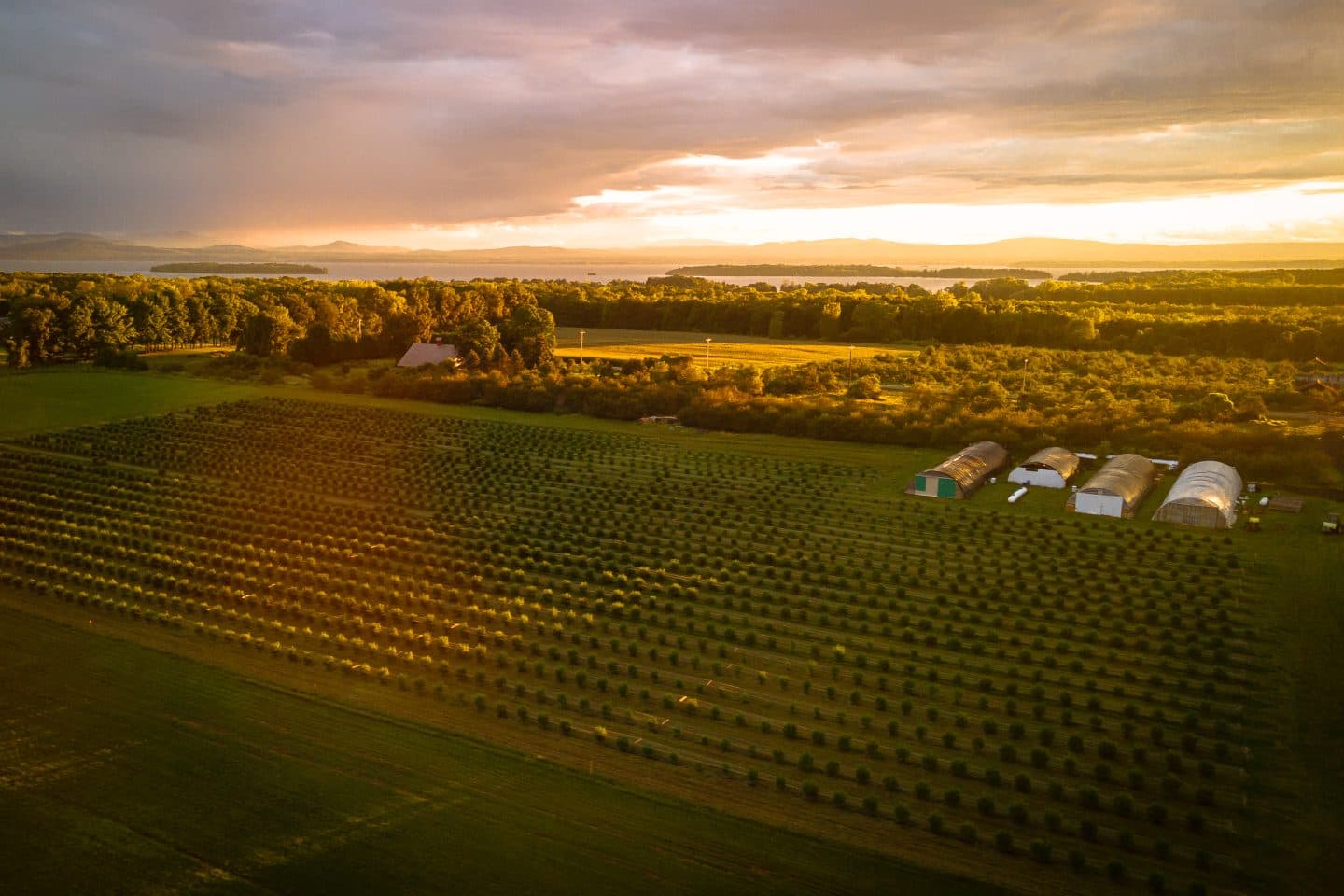
The story of Sunset Lake, a Sun & Earth-certified Vermont farm, illustrates the personal and cultural stakes of this movement. Rev Baker, who manages marketing for the farm, described the transition from dairy to cannabis as a way to keep younger generations engaged in agriculture. “He views what we do here as a way to get young Vermonters excited about farming again,” Baker said of the farm's owner. The farm composts manure from its dairy operations and brewery waste, rotating crops to replenish the soil. As regenerative cannabis cultivators continue to innovate without federal support, their efforts point to a growing disconnect between US policy and the realities of sustainable agriculture
OG Lab notes that the persistent exclusion of marijuana growers from federal conservation programs not only stifles innovation but also widens the gap between policy and practice. As regenerative farming gains ground, the cannabis sector's forced independence is driving new models of certification and community resilience—an industry trend worth tracking as legalization debates evolve