US Hemp Industry Surges to $739 Million in 2025 Amid Looming Regulatory Shift
U.S. hemp farmers produced $739 million worth of crops in 2025, marking a 64% increase over the previous year despite looming federal restrictions set to impact the industry
Key Points
- 1U.S. hemp crop value reached $739 million in 2025, a 64% increase from 2024
- 2Outdoor hemp acreage grew by 9%, while protected cultivation value jumped 225%
- 3A new law signed by President Trump will recriminalize most hemp THC products after November 12, 2025
- 4Congress is considering bipartisan measures to delay or modify the federal hemp restrictions
- 5Major retailers like Target are expanding sales of hemp-derived THC products amid regulatory uncertainty
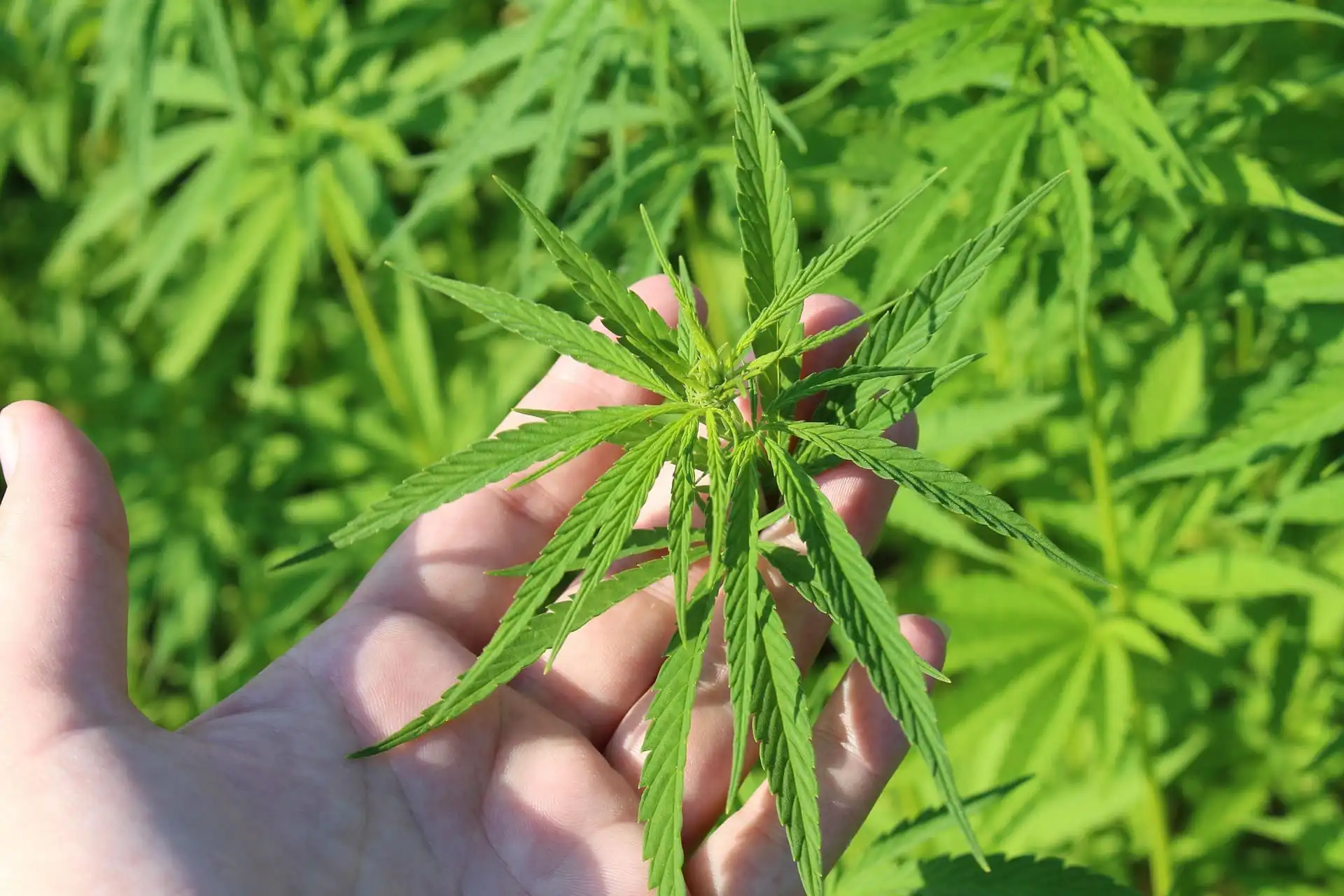
The U.S. hemp industry experienced dramatic growth in 2025, reaching $739 million in total crop value—a 64 percent increase compared to the previous year, according to the latest National Hemp Report from the U.S. Department of Agriculture (USDA). The report, released by the USDA’s National Agricultural Statistics Service, highlights a surge in both outdoor and protected hemp cultivation, even as the sector faces significant regulatory uncertainty ahead of a planned federal crackdown on hemp THC products later this year
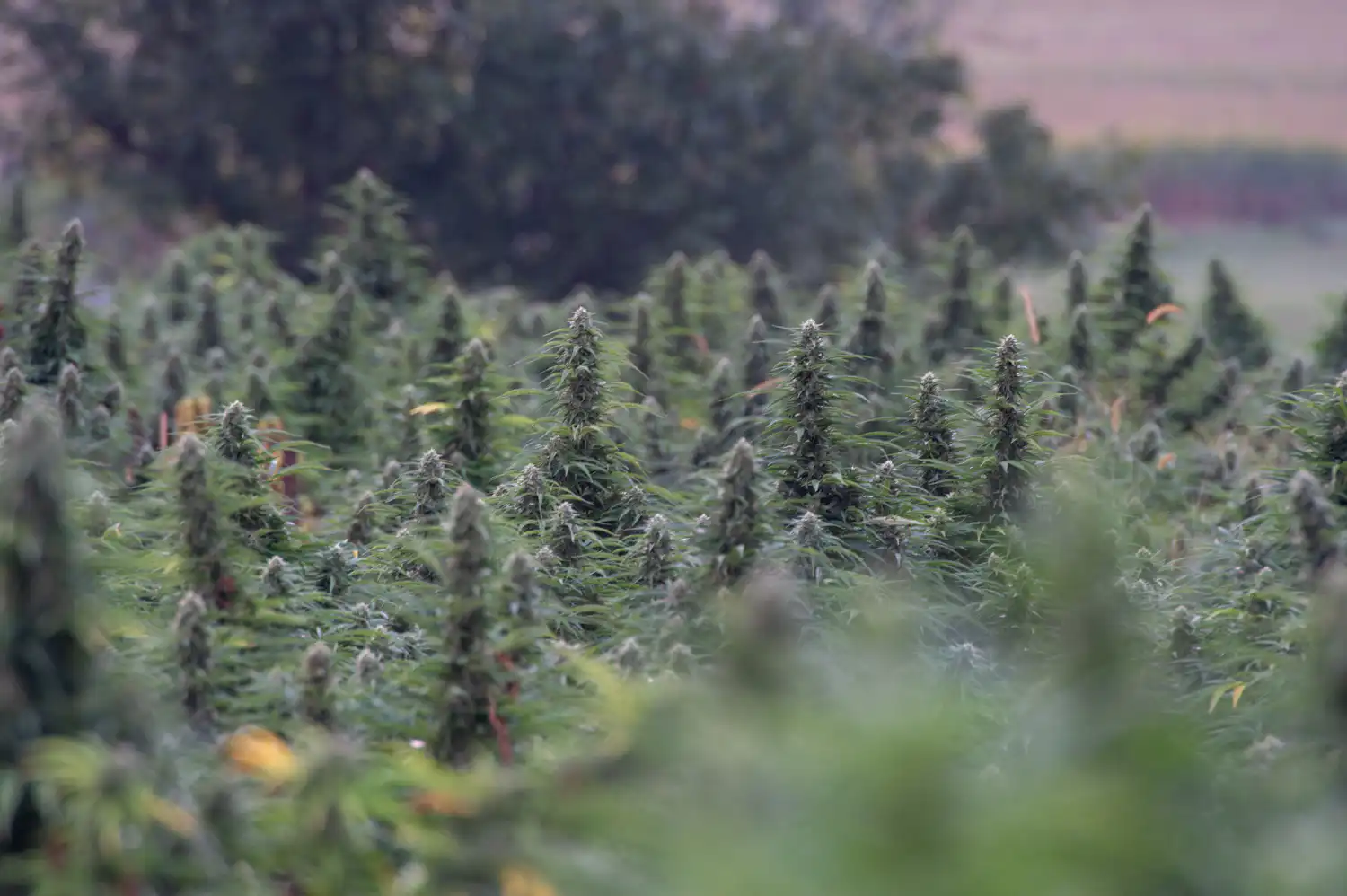
Outdoor hemp farming saw particularly strong gains, with 49,267 acres planted—up 9 percent from 2024—and a 53 percent jump in value to $646 million. Harvested acreage also climbed by 34 percent, demonstrating both higher production efficiency and increased demand. Protected cultivation methods, including greenhouses and hoop houses, covered 3.99 million square feet, a 13 percent rise, and the value of crops grown under these conditions skyrocketed by 225 percent year-over-year
The USDA report breaks down the market further, revealing that nearly all categories of hemp—flower, grain, fiber, and seed—posted annual increases in both acreage and total weight for outdoor crops. Notably, while the value of hemp produced for flower, grain, and seed rose, fiber crops saw a decline in value. The report also noted a sharp increase in clones and transplants grown under protection, with 1.08 million plants produced—a 203 percent rise—and their value climbing 339 percent to $1.96 million
Despite these robust figures, the industry faces a looming threat: a federal law signed by President Donald Trump in late 2025 that will redefine legal hemp products, effectively recriminalizing most hemp THC products after November 12. Advocates warn this move could devastate the sector. Efforts are underway in Congress to reverse or delay the new restrictions, with bipartisan bills such as the Hemp Safety Enforcement Act aiming to give states and tribes the power to opt out of the federal ban. "The results showing the industry’s growth comes amid the pending federal recriminalization of hemp THC products that’s set to take effect in November under a law that President Donald Trump signed late last year, a change that advocates say stands to devastate the sector," the USDA report emphasized
Meanwhile, the federal government has introduced initiatives like Medicare coverage for hemp-derived products, including CBD and limited THC, although this policy is currently facing legal challenges from anti-marijuana organizations. Major retailers are also reacting to the changing landscape: Target, for example, expanded its pilot program for hemp-derived THC beverages from 10 stores to all 72 locations in Minnesota after securing necessary licenses. This signals increasing mainstream acceptance of hemp products, even as their legal status remains unsettled
For the global cannabis sector, this rapid growth in the U.S. hemp market underscores both its economic potential and its vulnerability to regulatory shifts. From the OG Lab newsroom perspective, the upcoming federal policy changes could have major ripple effects across the industry, influencing supply chains, investment, and consumer access nationwide. Industry stakeholders will be closely monitoring legislative developments and legal battles in the months ahead, as the fate of America’s hemp sector hangs in the balance