White House Drug Policy Chief Reaffirms Cannabis Remains Federally Illegal After Rescheduling
Despite federal rescheduling efforts, the White House drug policy director has confirmed that cannabis remains illegal nationwide, leaving businesses and patients facing continued regulatory uncertainty
Key Points
- 1White House ONDCP Director Sara Carter Bailey clarified that marijuana remains federally illegal after rescheduling
- 2Oklahoma officials warned medical cannabis businesses to register with the DEA to avoid sanctions
- 3Minnesota and Louisiana advanced legislation to expand access to psychedelic therapies
- 4A study found that older adults increasingly use cannabis as an alternative to traditional pharmaceuticals
- 5NORML's deputy director argued that rescheduling does not fully resolve the disconnect between state and federal cannabis laws
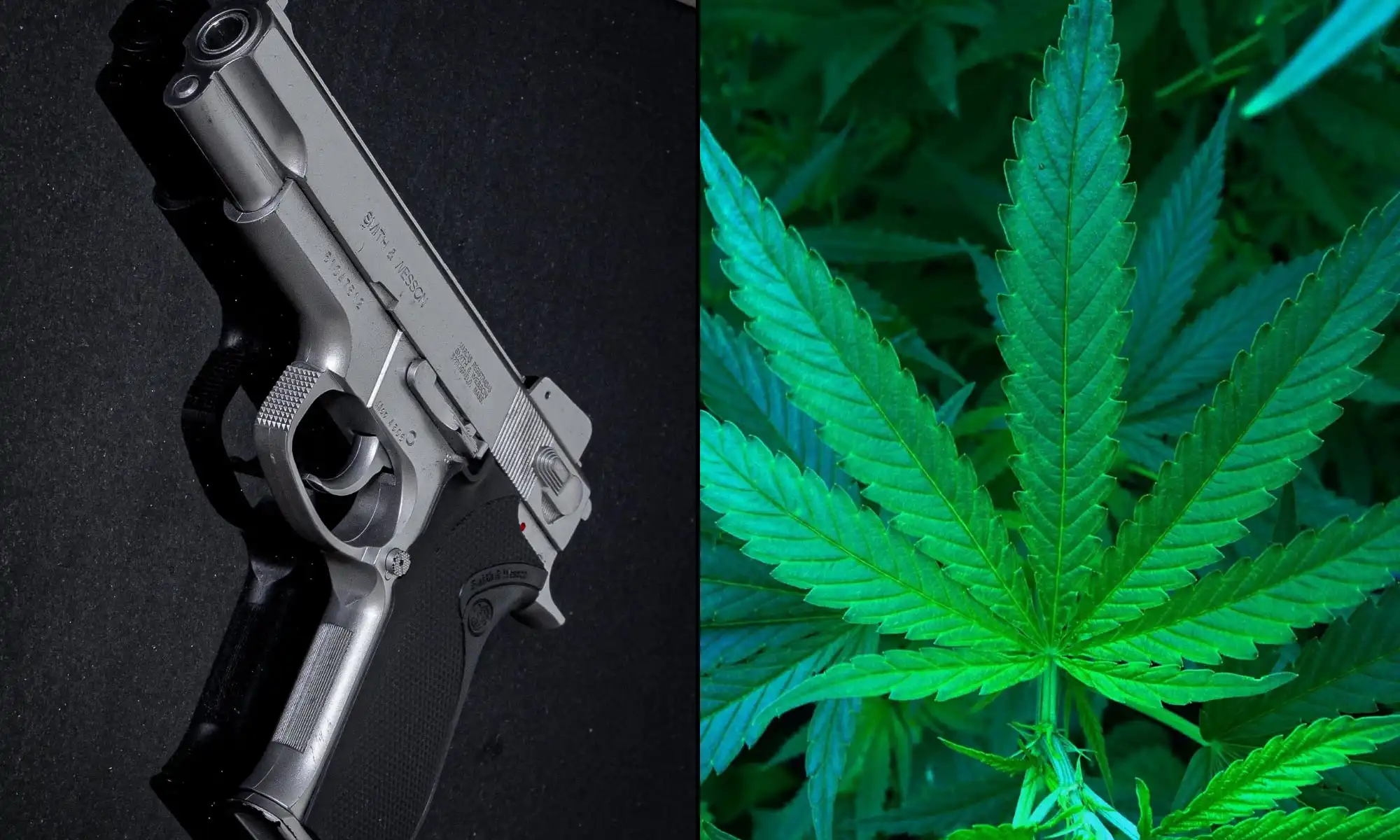
The White House Office of National Drug Control Policy Director, Sara Carter Bailey, has publicly clarified that despite the Trump administration's recent move to reschedule cannabis, marijuana remains illegal under federal law. This statement comes amid growing confusion following the administration’s efforts to shift marijuana’s status within the federal controlled substances framework. Bailey’s remarks highlight the persistent legal complexities facing the cannabis industry, even as federal attitudes toward the drug evolve
State-level agencies are responding to the federal developments with caution. The Oklahoma Bureau of Narcotics and Dangerous Drugs Control issued guidance to medical cannabis businesses, urging them to register with the Drug Enforcement Administration to avoid potential sanctions. The warning includes the possibility of revoking state registrations for businesses that fail to comply. Such actions underscore the ongoing tension between state-legal cannabis operations and federal oversight, a dynamic further complicated by shifting federal policy signals
Meanwhile, legislative actions on related substances are advancing in several states. The Minnesota House of Representatives passed an amendment to legalize regulated therapeutic use of psilocybin for adults over 21, while Louisiana’s House approved a pilot program for psychedelic-assisted therapy, funded by opioid settlement dollars. These moves reflect a broader trend of states experimenting with new approaches to drug policy, often outpacing federal reform. As reported by Marijuana Moment, "older adults are increasingly turning to cannabis for symptom management" and often see it "as an alternative to traditional pharmaceuticals due to concerns about adverse effects."
The evolving federal stance is prompting industry stakeholders and lawmakers to push for further clarity and reform. Pennsylvania lawmakers, for example, are laying groundwork for recreational cannabis legalization, viewing the Trump administration’s rescheduling move as an impetus for change. At the same time, experts and advocates caution that rescheduling alone does not address the deeper disconnect between state and federal cannabis laws. NORML Deputy Director Paul Armentano stated, "[Rescheduling] falls well short of the comprehensive changes necessary to provide nationwide relief to patients—and it fails to harmonize state and federal marijuana policy."
From a regulatory perspective, the White House’s new National Drug Control Strategy has been criticized by drug policy experts for containing contradictions between its rhetoric and tangible policy actions. While some see rescheduling as a step forward, others argue that only comprehensive federal reform will resolve the current patchwork of rules and enforcement. For cannabis operators and patients, uncertainty remains about how these federal signals will play out in practice, especially regarding enforcement and access
From the OG Lab newsroom perspective, the reaffirmation of marijuana’s federal illegality despite rescheduling highlights the persistent gap between political gestures and actionable reform. This ongoing ambiguity makes it difficult for businesses and patients to navigate compliance and access, signaling a need for more decisive federal action. The cannabis industry and advocacy community will be closely watching whether these incremental changes lead to broader, harmonized reform in the coming years