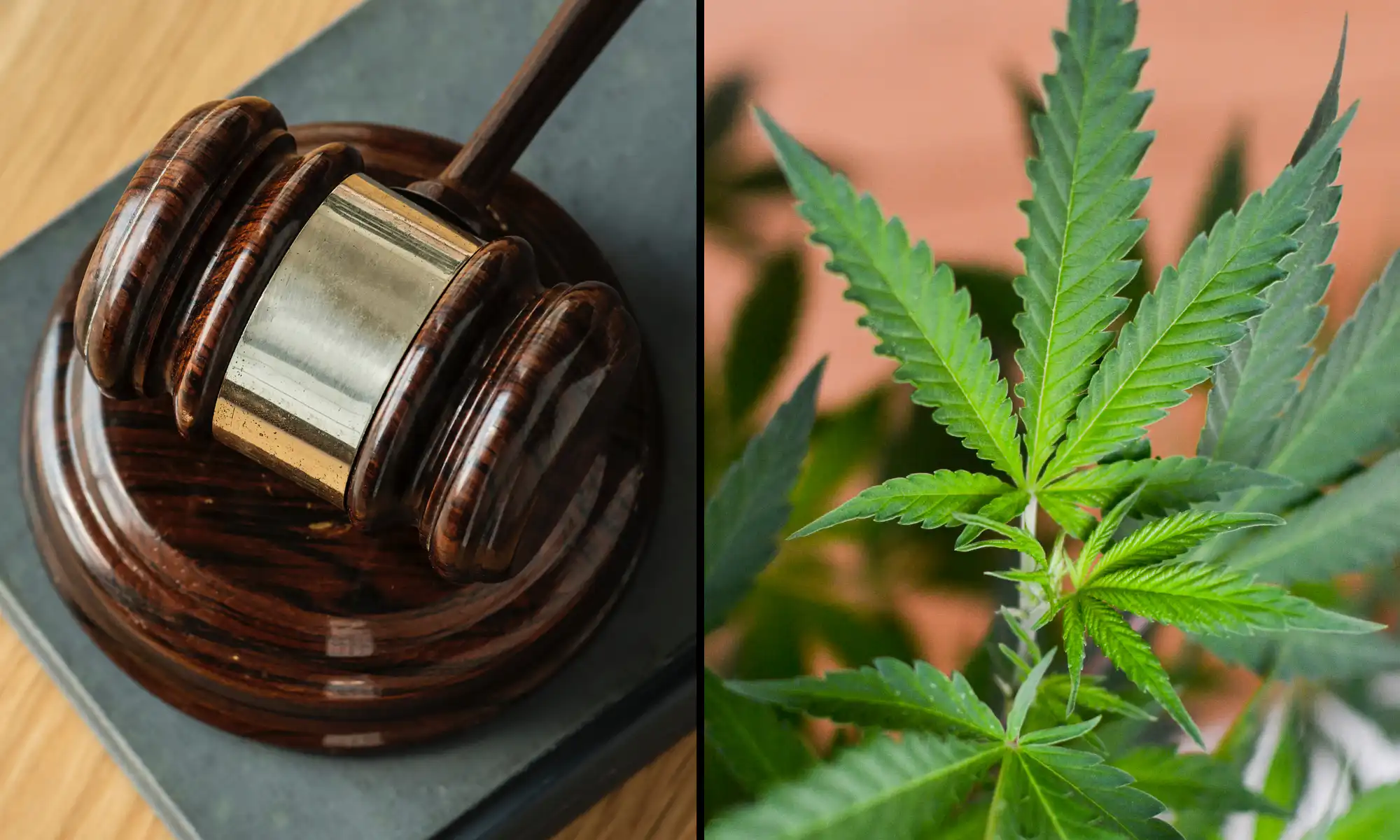
White House Prioritizes Fentanyl and Trafficking Over Marijuana Reform
The White House is making fentanyl, addiction, and trafficking—not marijuana reform—the centerpiece of its current drug policy agenda, impacting the pace of cannabis progress
Key Points
- 1Sara Carter, the new drug czar, is prioritizing fentanyl and trafficking over marijuana reform
- 2Federal cannabis policy may still move forward, but it is not the White House's main focus
- 3Recent executive orders and agency actions on marijuana have been overshadowed by opioid-related concerns
- 4OG Lab analysis: The cannabis sector should temper expectations for major White House-led reform in the near term
Sara Carter, the newly appointed White House drug czar, is sending a clear message about the administration's drug policy priorities. Since stepping into her role as director of the Office of National Drug Control Policy in January, Carter has consistently focused her public statements on the threats posed by fentanyl, addiction, and trafficking networks—leaving marijuana reform notably on the sidelines. This approach has been evident in both her interviews and the administration's own communications, which highlight a drug policy agenda centered on enforcement and public safety rather than cannabis policy changes
Despite some movement on marijuana at the federal level, such as President Trump's December executive order supporting medical marijuana and cannabidiol research, cannabis reform is not the administration's main focus. The White House has signaled that it wants the attorney general to act on the pending rescheduling process, but these efforts have been overshadowed by a much louder emphasis on combating synthetic drugs and illicit supply chains. "A policy can still move without being politically central. An open file is not the same thing as a flagship issue," as reported by High Times, underscoring the distinction between ongoing administrative processes and top-tier political priorities
Carter's international engagements further reinforce this stance. At the recent U.N. Commission on Narcotic Drugs in Vienna, she concentrated on transnational criminal organizations and the dangers of synthetic drugs, rather than highlighting marijuana reform. According to High Times, her focus on "precursor chemicals and synthetic drug threats" illustrates the administration's intent to frame its drug policy around urgent public health and safety concerns, rather than cannabis
For cannabis operators, investors, and advocates, this shift in priorities means that while marijuana reform may continue to progress through administrative channels, it will likely not receive prominent support from the White House. As High Times notes, "Marijuana reform may still advance through memos, orders and agency process, but anyone expecting a full-throated White House push is probably reading more momentum into the moment than the public record supports." The administration's current drug-policy identity is being defined by its response to fentanyl and overdose crises, not cannabis legalization or rescheduling
From the OG Lab newsroom perspective, this development signals a pragmatic recalibration of federal drug policy priorities, with the opioid crisis and synthetic drug threats taking center stage. For the cannabis industry, the takeaway is clear: reform efforts may advance, but they are unlikely to be the administration's headline issue in the near term. Stakeholders should adjust expectations accordingly and continue to monitor both administrative actions and broader political signals out of Washington