Beyond Spice: The Five Tastes in Thai Cuisine
Thai cuisine is not just about spice; it's a harmonious blend of sweet, sour, salty, spicy, and bitter, reflecting broader cultural values of balance.
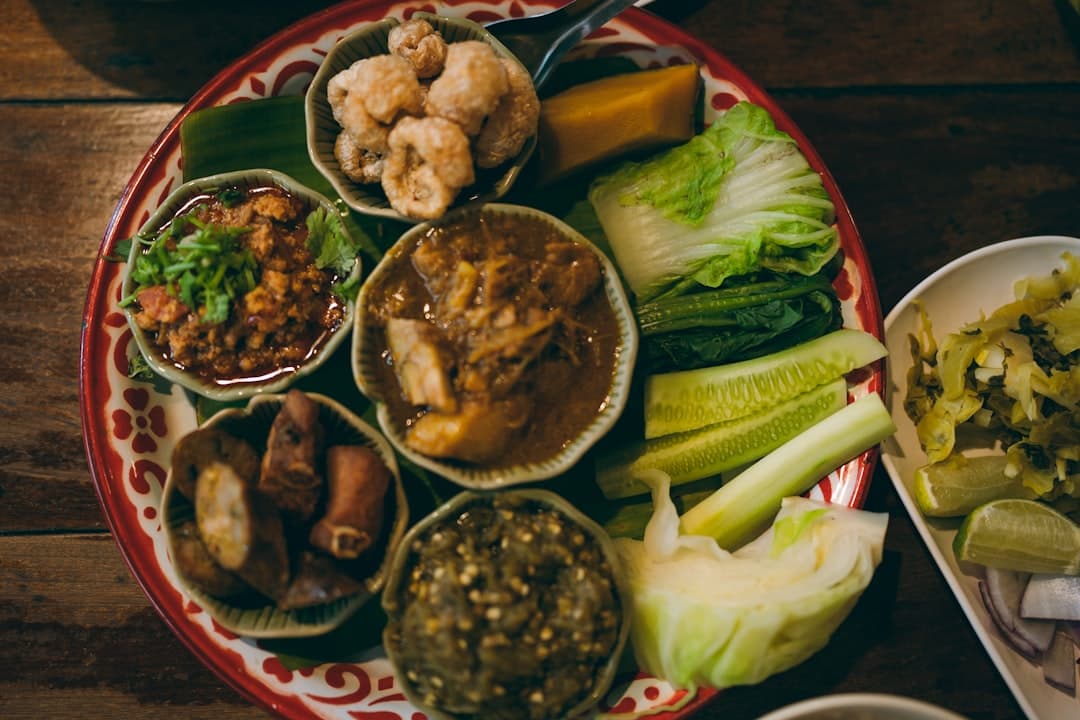
Photo by Kittitep Khotchalee on Unsplash · photo
Quick Answer
Thai cuisine is about balancing sweet, sour, salty, spicy, and bitter flavors, reflecting cultural values of harmony and moderation.
TL;DR | Quick Summary
In a bustling Bangkok street market, a vendor expertly prepares Som Tum, a popular Thai green papaya salad. Each ingredient is added with precision—lime juice squeezed for sourness, fish sauce for saltiness, sugar for sweetness, chilies for spiciness, and a handful of crushed peanuts to add a hint of bitterness. In that single dish, you find the quintessence of Thai cuisine: a meticulous balance of flavors, reflecting a broader cultural ethos of harmony and equilibrium.
Background — historical or cultural context
Thai cuisine's harmonious blend of flavors isn't merely a culinary preference but a reflection of centuries-old cultural and philosophical beliefs. Influenced by neighboring countries like China, India, and Malaysia, Thai food has evolved over centuries, taking on diverse aspects while maintaining its unique identity. The philosophy of balance in flavors can be traced back to the Buddhist concept of the Middle Path, advocating moderation and harmony in every aspect of life. Similarly, ancient Thai medicine emphasizes balance in the body's elements, which is mirrored in the preference for balanced meals.
What most people miss — the nuance expats should understand
Visitors to Thailand often expect fiery dishes, perhaps due to the global fame of spicy Thai curries and chilies. However, to focus solely on spiciness is to overlook the intricate balance that defines Thai cuisine. Each dish is crafted to achieve a specific harmony of tastes, an art form respected by Thai chefs and home cooks alike. Understanding this delicate balance can provide insights into how Thais approach problems and relationships, seeking equilibrium and avoiding extremes. It's a cultural nuance that extends beyond food to social interactions, where maintaining "face" and harmonious relationships is paramount.
In daily life — concrete examples
In Thai markets, you'll notice stalls laden with a vivid assortment of ingredients—each representing one of the five primary tastes. Vendors might offer a sampling of Nam Prik, a spicy chili paste that varies by region, each version a unique blend of flavors tailored to local palates. In offices, lunchtime conversations often revolve around food, with colleagues sharing meals that encapsulate this balance, such as Tom Yum soup or Pad Thai. Even in temples, the offerings made to monks often include a variety of dishes, each meticulously balanced in flavor, symbolizing a wish for harmony in life.
At family gatherings, meals are a communal affair, where dishes are meant to be shared and balanced flavors ensure that everyone finds something to enjoy. In business settings, sharing a well-balanced meal can help forge connections and ease negotiations, as it reflects an understanding of and respect for Thai cultural values.
Why it matters
Understanding the balance of flavors in Thai cuisine is more than just a culinary lesson; it's a gateway to comprehending broader Thai cultural values. For expats, appreciating this balance can enhance social interactions and professional relationships, fostering a deeper connection with local customs and people. It’s not just about avoiding culinary faux pas but about engaging with a way of thinking that values harmony in all aspects of life.