The Ubiquitous Spirit Houses of Thailand
Spirit houses offer a glimpse into Thai culture, blending animism with Buddhism. Learn why these shrines matter in daily life.
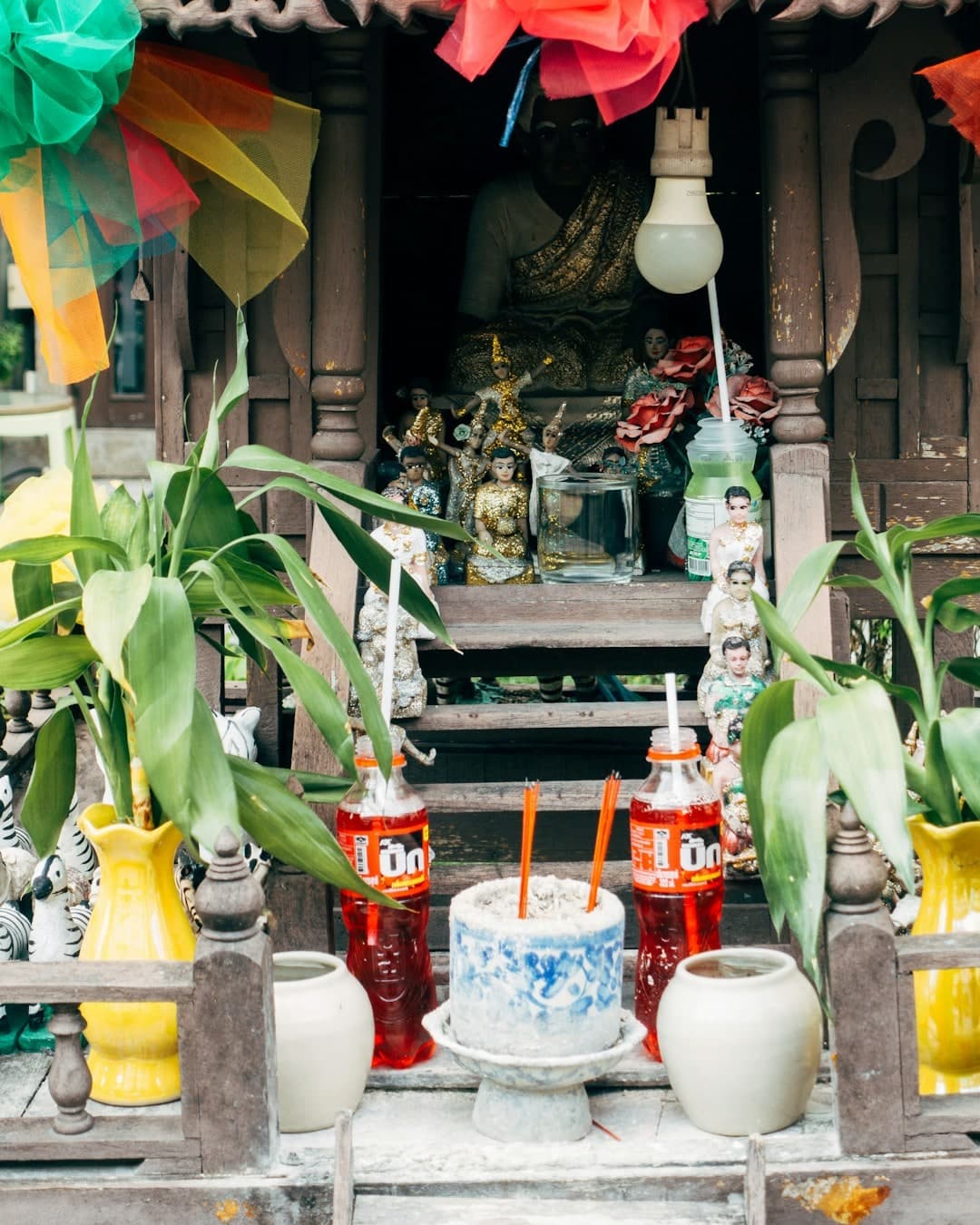
Photo by Markus Winkler on Unsplash · photo
Quick Answer
Spirit houses in Thailand blend animistic and Buddhist traditions, serving as a home for land spirits to protect properties and promote harmony.
TL;DR | Quick Summary
In Thailand, the sight of a meticulously crafted miniature house perched on a pedestal is as common as the ubiquitous street food stalls. These are san phra phum, or spirit houses, and they offer a fascinating glimpse into the Thai cultural fabric. Unlike the often ornate Buddhist temples that dot the landscape, spirit houses are more humble in appearance, yet they serve a purpose deeply embedded in the Thai way of life. You might spot one adorned with garlands, incense, and food offerings outside a bustling 7-Eleven, or nestled in the courtyard of a towering office building. These small shrines are not just decorative; they are the physical manifestation of a cultural practice that honors the spirits of the land.
Background — historical or cultural context
The concept of spirit houses is rooted in animism, an ancient belief system that predates Buddhism in Thailand. Before Buddhism became the dominant faith, the people of what is now Thailand practiced animism, believing that natural objects, places, and creatures possess a distinct spiritual essence. When Buddhism spread across the region, it didn't erase these earlier beliefs but rather absorbed and coexisted with them. Spirit houses are a continuation of this tradition, a harmonization of animistic beliefs with Buddhist practices. They are built to house the phra phum, or spirit of the land, which Thais believe protect the property and those who reside or work there.
What most people miss — the nuance expats should understand
While it might be easy to dismiss spirit houses as quaint relics of superstition, they play a critical role in maintaining harmony and balance in Thai society. The position of a spirit house is determined by a Brahmin priest, who considers factors like the direction of the sun and the proximity to the main building. The spirit house must never cast a shadow on the main structure, a detail often overlooked by those unfamiliar with the practice. Offerings are made daily, ranging from simple flower garlands and incense to elaborate feasts on special occasions. This act of giving is not solely for appeasement; it is an acknowledgment of the interconnectedness of all things and a gesture of respect to the unseen forces that Thais believe influence their lives.
In daily life — concrete examples (markets, offices, temples, family, business)
In daily Thai life, spirit houses are ubiquitous. At a bustling market, you might notice vendors pausing momentarily to light incense at a spirit house before starting their day. In large corporations, employees often gather to make offerings, particularly during important company events. Families might seek the guidance of a Brahmin priest to install a spirit house before moving into a new home, ensuring the land spirits are properly respected. Even in temples, where one might assume the focus would solely be on Buddhist rituals, spirit houses find their place, often positioned at the periphery, subtly reminding visitors of the spiritual guardianship of the land.
Why it matters
For expats in Thailand, understanding the significance of spirit houses is crucial in appreciating the depth of cultural practices that might initially seem alien or quaint. Recognizing the importance of respecting local customs not only fosters goodwill but also enriches your own experience of living in Thailand. It’s a reminder that spaces are not just physical locations to occupy; they are imbued with spiritual significance that commands respect. By observing and participating in these practices, you become part of a community that values harmony with both seen and unseen forces.