Police Uncover Large-Scale Cannabis Grow in Historic Welsh Mansion Linked to King Charles III
Police in North Wales discovered a major illegal cannabis grow operation in Plas Glynllifon, a historic mansion once used for King Charles III’s investiture ball, sparking renewed debate over illicit cultivation in heritage sites
Key Points
- 1North Wales Police uncovered a large-scale illegal cannabis grow in Plas Glynllifon mansion
- 2The operation involved 12 rooms with mature cannabis plants and tampered utilities
- 3No arrests have been made as police continue forensic and digital investigations
- 4Plas Glynllifon is historically significant, having hosted King Charles III’s 1969 investiture ball
- 5There is no indication of any connection between the current king and the illegal operation
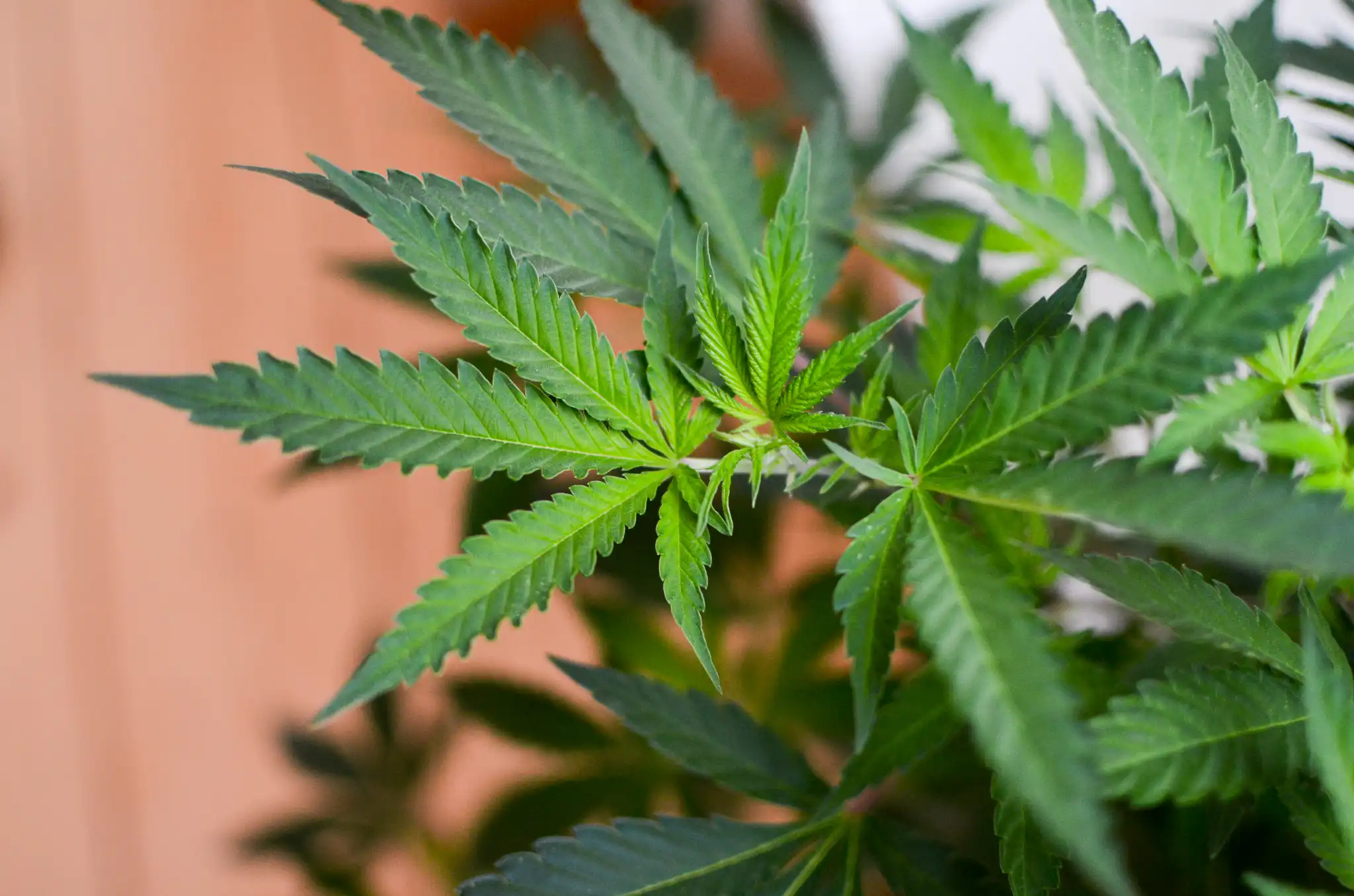
A sprawling neoclassical mansion in North Wales, once the site of Prince Charles’s investiture ball, has become the unlikely backdrop for a major illegal cannabis cultivation operation. Police raided Plas Glynllifon, a 19th-century estate near Caernarfon, and discovered an extensive grow spread across 12 rooms on the top floor. The property, which has ties to the British royal family, drew national attention as authorities investigated the sophisticated setup hidden within its grand but decaying halls
Superintendent Arwel Hughes of North Wales Police confirmed the scale of the operation, telling the BBC: "We uncovered a grow, which was on the top floor of the building. We estimate around 12 rooms with grows in them and they were fairly mature plants." Investigators found evidence of illegally modified electrical systems and diverted water lines, hallmarks of advanced illicit cultivation. Despite the magnitude of the operation, no arrests have yet been made as forensic and digital investigations continue
Plas Glynllifon stands as a symbol of British aristocracy, having once belonged to Lord Newborough and long considered one of the grandest estates in the region. The mansion’s faded glory and haunted reputation have attracted urban explorers and ghost hunters, but it was its royal connection that propelled this story into the spotlight. The estate hosted the official ball following King Charles III’s 1969 investiture as Prince of Wales, intertwining its history with the modern monarchy
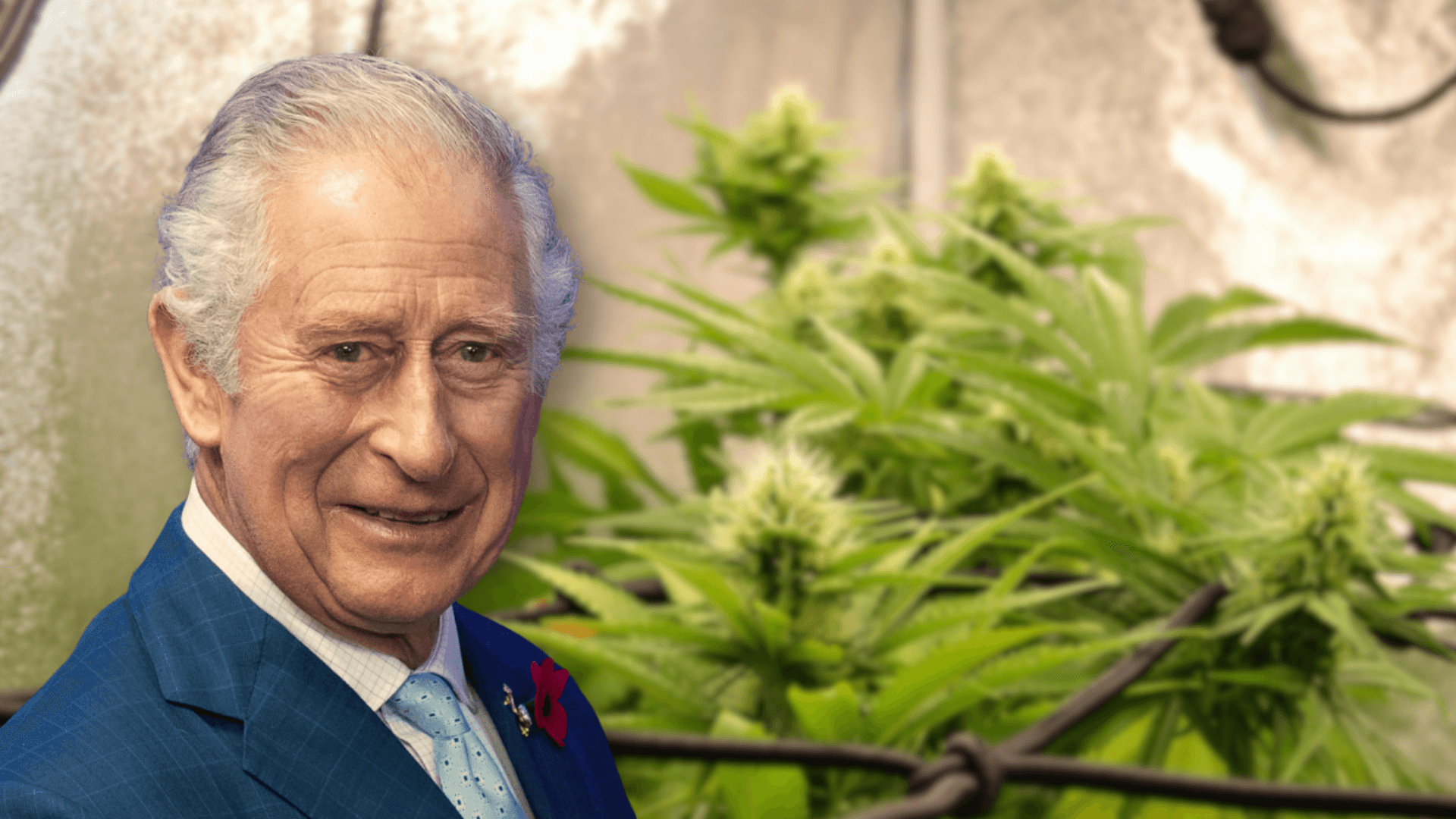
While there is no evidence linking King Charles III to the current illegal activity, the discovery has revived public fascination with the intersection of British royalty and cannabis. Previous headlines speculated about Charles’s interest in medical cannabis during his recent cancer treatment, though those reports were never confirmed. The juxtaposition of a former royal venue turned covert grow site underscores the ongoing tension between the UK’s regulated medical market and a thriving illicit cannabis scene
From the OG Lab newsroom perspective, this case highlights a uniquely British paradox: heritage sites with royal ties are not immune to being repurposed for clandestine cannabis cultivation, reflecting both the ingenuity of illicit operators and the persistent demand outside legal channels. The industry will be watching closely as authorities unravel the full extent of the operation and debate grows over safeguarding historic properties against similar incursions