Cannabis Lawyer Warns DEA Registration Forms Pose Greater Legal Risk Than Flying With Weed
A leading cannabis attorney warns that DEA registration forms for medical marijuana businesses pose a greater legal risk than travelers admitting to flying with cannabis online
Key Points
- 1Travelers openly admitted to flying with cannabis after a TSA website update
- 2Cannabis lawyer Bob Hoban says federal authorities rarely pursue small-scale possession cases
- 3DEA registration forms now require medical marijuana operators to disclose past unregistered activity
- 4Honest disclosures could admit to federal crimes, while false answers risk perjury charges
- 5Rescheduling to Schedule III applies only to medical marijuana, not recreational cannabis
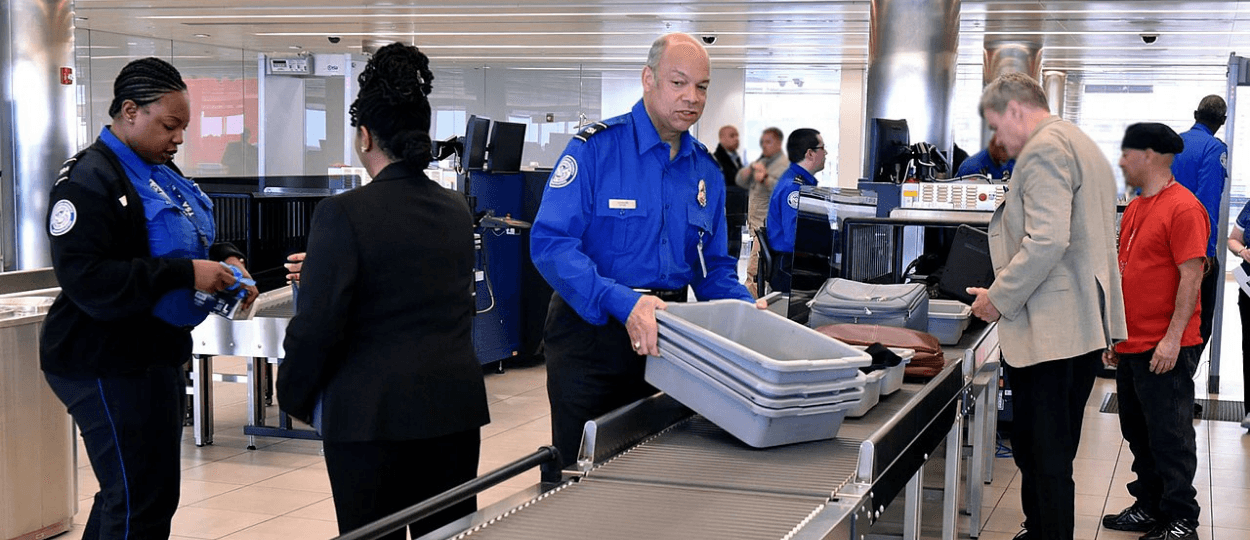
Recent changes to the TSA’s website about traveling with medical marijuana sparked a wave of candid admissions from travelers online, many of whom confessed to routinely flying with cannabis, from flower to edibles and concentrates. According to High Times, commenters described years—even decades—of carrying personal stashes through airports, often without interference from authorities. While some readers joked about federal agents monitoring the thread, others questioned whether such public admissions could be used against them by law enforcement
Bob Hoban, a prominent cannabis attorney with extensive experience drafting marijuana regulations globally, offered a nuanced perspective. He clarified that while carrying cannabis through an airport is technically a federal offense, federal authorities rarely pursue charges for personal-use quantities. "The risk is real on paper and small in practice," Hoban explained, noting that TSA’s standard protocol is to refer such cases to local law enforcement, where consequences typically range from a warning to confiscation or a minor fine, depending on the state
However, Hoban emphasized that the real legal exposure for cannabis operators lies not in personal confessions online but in the formal documentation required to go legitimate under new federal guidelines. As of April 23, the DEA requires state-licensed medical marijuana businesses to register in order to benefit from marijuana’s recent move to Schedule III. The registration form asks operators to disclose whether anyone involved has previously manufactured, distributed, or dispensed controlled substances without federal authorization—a question that many must answer affirmatively, as no DEA registration existed for state-legal operators until now
This creates a precarious situation: honest disclosure means admitting to activity that was federally illegal, while false answers could lead to perjury charges. The DEA maintains that this disclosure is standard for regulated industries and is not intended to automatically disqualify applicants. "In every one of those industries, the conduct being disclosed was legal when it happened. For cannabis operators, it was not," Hoban pointed out, highlighting the unique legal bind facing the cannabis industry as it transitions into formal federal oversight
Hoban recommends that operators structurally separate their medical, recreational, and hemp businesses to minimize legal crossover, as the move to Schedule III only applies to state-licensed medical marijuana. Meanwhile, recreational cannabis remains a Schedule I substance, and the industry must navigate a patchwork of federal and state regulations. OG Lab notes that as cannabis businesses seek legitimacy, the new federal paperwork may force them to document past actions still considered illegal under federal law—a paradox that could shape the industry’s future compliance strategies