Colombian President Gustavo Petro Calls for Global Overhaul of Drug Policies at UN
Colombian President Gustavo Petro urged the UN to abandon punitive drug policies, arguing that prohibition fuels violence and calling for reforms centered on social justice and health
Key Points
- 1President Gustavo Petro criticized global drug prohibition at the UN, linking it to violence and flawed policies
- 2Petro distinguished between cannabis as a symbol of protest and cocaine as a product of capitalist pressures
- 3He warned of the dangers of fentanyl and advocated for a socially focused approach to drug policy
- 4The president promoted voluntary crop substitution and questioned Colombia's exclusion from anti-drug coalitions
- 5OG Lab notes this speech highlights shifting international attitudes toward drug regulation and social equity
Colombian President Gustavo Petro delivered a bold critique of international drug policy during his address to the UN Commission on Narcotic Drugs in Vienna, urging a departure from punitive measures and calling for a more humane, evidence-based approach. Petro, known for his unorthodox views, emphasized the failures of cannabis prohibition and highlighted the political motivations behind anti-drug agendas, stating that efforts to demonize drug use are recent historical phenomena with deep political roots. He argued that existing policies have led to "flawed public policies" and called for their urgent reassessment
Petro's speech placed cannabis at the center of the global drug debate, tracing its prohibition to U.S. political interests during the Vietnam War era. He underscored the devastating impact that global cannabis prohibition has had on countries in the Global South, particularly Colombia, and questioned the human cost of a war that he described as not their own. "Prohibition leads to the creation of the mafia, and the creation of the mafia leads to death and violence," Petro stated, arguing that it is prohibition itself that fuels organized crime and violence associated with the drug trade
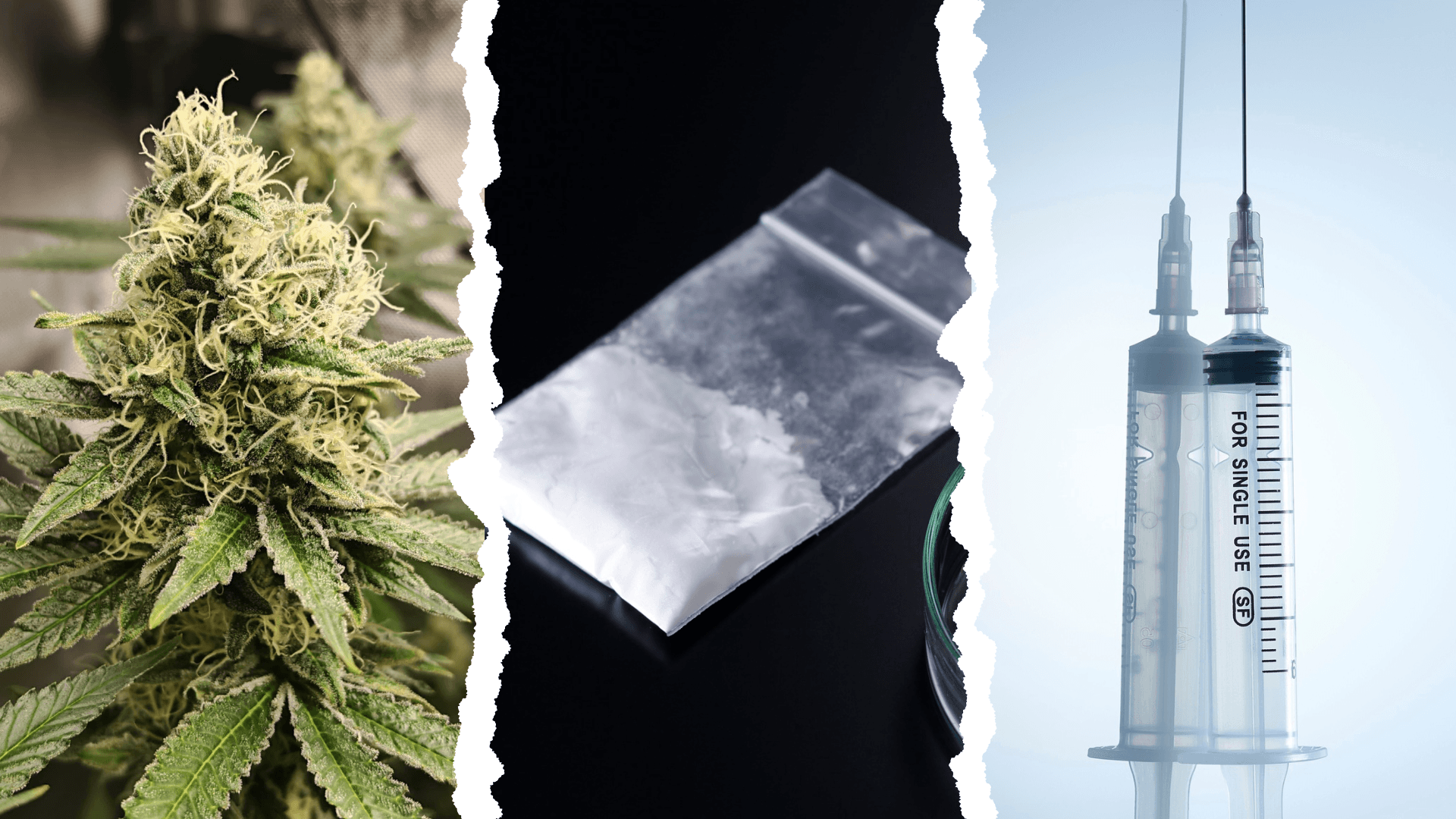
The Colombian president drew a sharp distinction between cannabis and cocaine, linking marijuana use historically to youth protest and rebellion, while characterizing cocaine as symptomatic of modern capitalist society. According to Petro, "Cocaine is the drug of capital, no longer of protest," and its use is driven by the pressures of neoliberal competition and the desire for increased productivity. He provocatively described cocaine as "the Wall Street drug," suggesting that addiction is rooted in societal values around work and accumulation rather than the inherent properties of the substance
Petro also addressed the current crisis surrounding fentanyl, labeling it "a drug of death" and associating its use with societal despair and the climate crisis. He warned that many fentanyl-related deaths occur because users are unaware the drug has been mixed into other substances, further complicating efforts to combat addiction. Petro justified his socially focused analysis by stressing the need to examine the consequences of prohibition on different societies, tying the issue to broader questions of social inequality, production, and power
In a powerful segment of his speech, Petro shifted to Colombia's experience as a coca-producing nation, highlighting the deep social and economic inequalities that have driven illicit cultivation. He advocated for voluntary crop substitution programs, noting that these already cover 42,000 hectares and offer hope for farmers displaced by decades of violence. Petro criticized Colombia's exclusion from recent international anti-drug coalitions, questioning the logic of sidelining a country with unparalleled experience and success in cocaine seizures. "Why have we been decertified when we are demonstrating effectiveness?" he asked
From the OG Lab newsroom perspective, Petro's address signals a growing international appetite for drug policy reform grounded in social justice and harm reduction. His call to transform consumer societies through compassion and equity reflects a broader shift away from punitive approaches and towards policies that prioritize health and human rights. For the cannabis industry, this rhetoric from a major producer nation underscores the need to watch for evolving global consensus and regulatory frameworks that could reshape markets and international cooperation. The debate over the future of the War on Drugs is clearly intensifying on the world stage