Khon Kaen University Launches Sugarcane Bio-Oil Project to Tackle Agricultural Waste
Khon Kaen University has developed a bio-oil production system using sugarcane leaves to reduce agricultural waste and promote clean energy, with the technology now producing up to 1,000 litres of biofuel per day
Key Points
- 1Khon Kaen University developed a prototype machine that turns sugarcane leaves into bio-oil using pyrolysis technology
- 2The project can produce up to 1,000 litres of bio-oil daily and also generates biochar for soil improvement
- 3The initiative was created in collaboration with the Office of the Cane and Sugar Board and Mitr Phol Group for potential commercialization
- 4Bio-oil is being blended with fuel from plastic waste to reduce emissions in agricultural machinery and motorcycles
- 5Researchers at Nakhon Phanom University are also producing bioethanol from wild grass to further reduce fossil fuel reliance
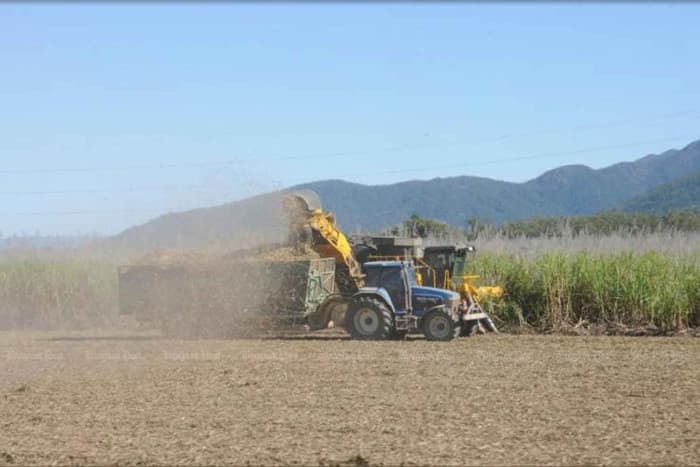
Khon Kaen University has unveiled a pioneering initiative to transform sugarcane leaves into bio-oil, aiming to reduce agricultural waste while promoting clean energy solutions in Thailand. The project utilizes pyrolysis technology, which heats sugarcane leaves and tops to high temperatures without oxygen, yielding both liquid biofuel and biochar, a valuable soil enhancer. The prototype system is capable of producing up to 1,000 litres of bio-oil per day, according to Bangkok Post (Thailand)
Assoc Prof Chuchat Kamollert, director of the university's Academic Service Office, emphasized the project's dual benefits for farmers and the environment. “The project was developed in cooperation with the Office of the Cane and Sugar Board to help reduce farmers' costs while addressing environmental concerns caused by agricultural waste burning,” he stated. Researchers have also blended the sugarcane-derived bio-oil with fuel made from plastic waste, creating a cleaner-burning fuel for use in agricultural machinery and motorcycles, which helps lower emissions and pollution
Industry collaboration is a key component of the initiative, with Mitr Phol Group exploring commercial opportunities to expand the technology to farming communities. The process requires about four kilograms of sugarcane leaves to produce one litre of oil, with the leaves first shredded and then heated to between 400 and 600 degrees Celsius. In a parallel development, Nakhon Phanom University researchers have created bioethanol from local wild grass to further decrease dependence on fossil fuels, highlighting a nationwide push for sustainable agricultural practices
OG Lab notes that these advancements not only offer practical benefits for farmers and rural communities but also present a scalable model for clean energy adoption across Southeast Asia. For Koh Samui and similar regions, such innovations could pave the way for more sustainable waste management and energy independence, making local agriculture cleaner and more efficient