Study Finds Vaporization Reduces Harmful Byproducts by Up to 99% Compared to Smoking Cannabis
A new study led by PAX Labs researchers found that vaporizing cannabis can reduce exposure to harmful byproducts by up to 99% compared to traditional smoking, offering consumers clearer information about their choices
Key Points
- 1Researchers compared cannabis smoke and vapor using PAX devices and standardized laboratory methods
- 2Vaporization resulted in up to 99% lower concentrations of 16 harmful or potentially harmful compounds
- 3Joint smoke contained nearly 189 compounds, while vapor was mostly cannabinoids and terpenes
- 4Study highlights that combustion is the main source of harmful byproducts in cannabis consumption
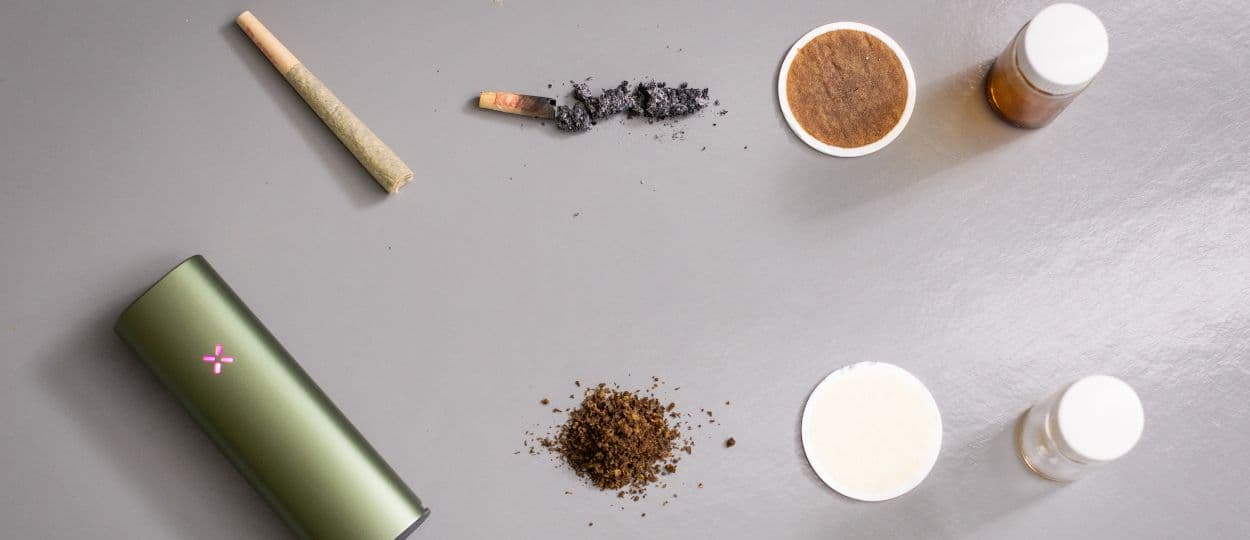
A new scientific study has revealed that vaporizing cannabis can dramatically reduce exposure to harmful chemical byproducts when compared to traditional smoking methods. Researchers from PAX Labs, led by director of product integrity Richard Rucker and senior chemist Derek Shiokari, conducted a side-by-side analysis of cannabis smoke and vapor using standardized lab conditions. The study focused on comparing the aerosol produced by PAX's dry herb and oil vaporization devices with smoke from combusted marijuana joints, using the same batch of Lemon Cake Batter cannabis for consistency
The research team analyzed 16 harmful or potentially harmful compounds (HPHCs), such as benzene, formaldehyde, and acetaldehyde—chemicals commonly associated with combustion and monitored in tobacco studies due to their toxicity. According to the results, cannabis vaporization resulted in up to 99% lower concentrations of these compounds compared to joint smoke. "Combustion produces harmful byproducts—whether it’s tobacco, wood, or cannabis," said Rucker in a statement. "By heating cannabis without burning it, vaporization significantly reduces the formation of these toxic compounds. It’s the same plant, but completely different exposure."
The study's methodology ensured that both smoking and vaporization were tested under identical puffing parameters, including draw duration and airflow, to isolate the effects of combustion. The findings showed that joint smoke not only contained significantly higher levels of the measured HPHCs but also exhibited a much more complex chemical profile overall. Researchers detected nearly 189 compounds in the smoke, while vaporized aerosol was composed primarily of cannabinoids and terpenes, with far fewer secondary byproducts
These results align with established principles of combustion chemistry. When cannabis is burned at temperatures exceeding 900°C, it undergoes pyrolysis and oxidation, processes that create a wide array of secondary chemicals, including volatile organic compounds and carbonyls. Vaporization, by contrast, heats cannabis at lower temperatures—typically between 160°C and 230°C—releasing cannabinoids and terpenes without igniting the plant material, thereby limiting the formation of potentially hazardous compounds
While the study was conducted using a single cannabis cultivar and under controlled laboratory conditions, the researchers acknowledged that real-world results may vary based on device type, settings, and individual consumption habits. The analysis provides important data on the presence of specific compounds in smoke and vapor but does not address long-term health outcomes, which remain an area for future research. For consumers, the study offers valuable information to inform consumption choices, reinforcing that combustion is a key driver of harmful byproducts in cannabis use
From the OG Lab newsroom perspective, this research underscores a shifting landscape in cannabis consumption, where safety, product quality, and informed choice are increasingly in focus. As legal markets evolve and new consumption technologies emerge, studies like this will play a critical role in shaping regulations and consumer preferences. The findings highlight the importance of continued scientific investigation to better understand the implications of different cannabis use methods and to guide public health discussions moving forward