Trump Administration Set to Reschedule Cannabis to Schedule III, Marking Historic Federal Shift
The Trump administration is preparing to reclassify cannabis from Schedule I to Schedule III, offering tax relief for businesses but stopping short of federal legalization or record expungement
Key Points
- 1The Trump administration is set to move cannabis from Schedule I to Schedule III under the Controlled Substances Act
- 2Rescheduling would remove IRS code 280E tax penalties for cannabis businesses, providing major tax relief
- 3The move does not legalize cannabis federally, expunge criminal records, or allow interstate commerce
- 4The Drug Enforcement Administration must still finalize the rule, and legal challenges are expected
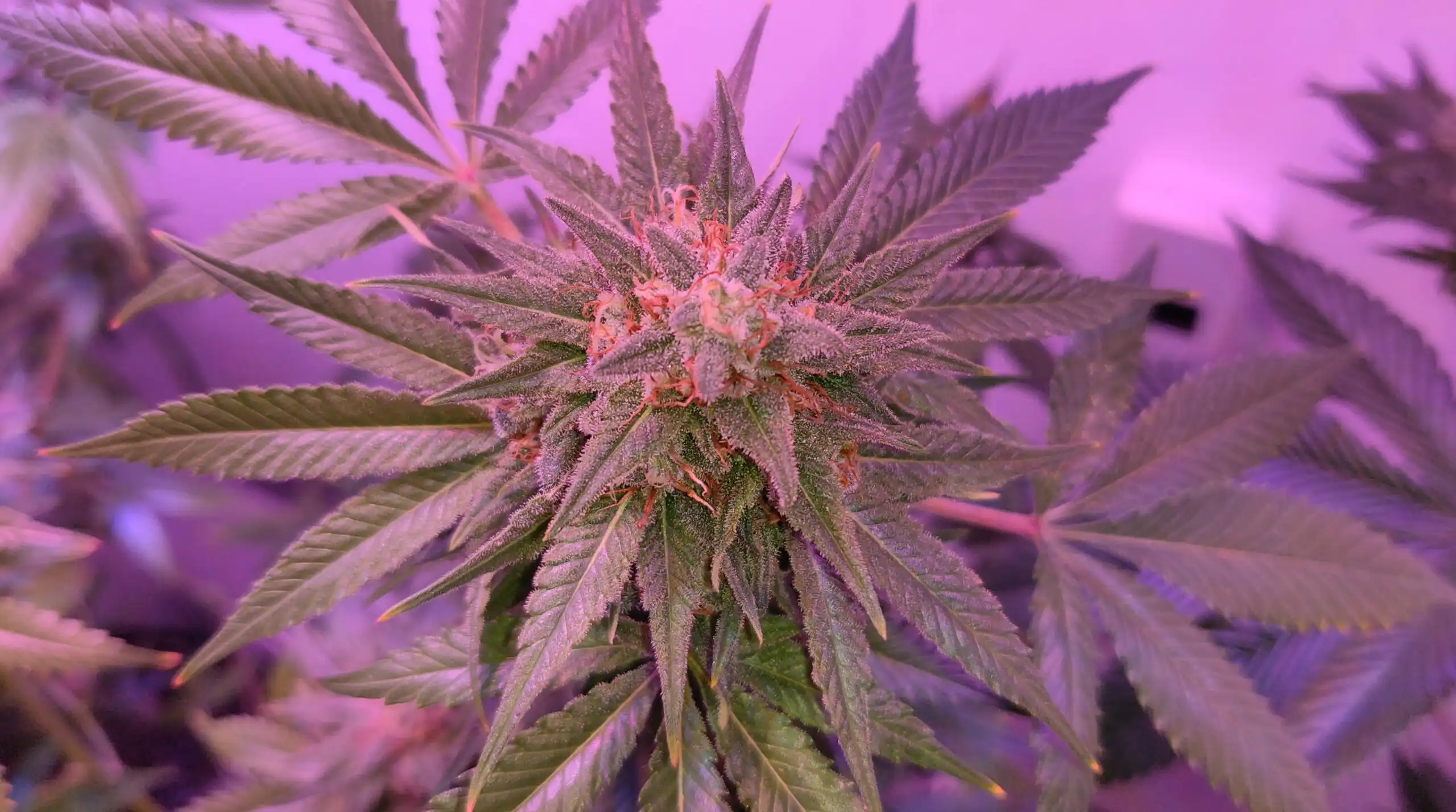
The Trump administration is poised to take a landmark step in federal cannabis policy by reclassifying cannabis from Schedule I to Schedule III under the Controlled Substances Act, according to reports from Axios corroborated by MJBizDaily. While the move is expected imminently, as of press time, no official announcement or final rule has been issued. This shift would represent the most significant change in federal cannabis regulation in decades, though it falls short of full legalization
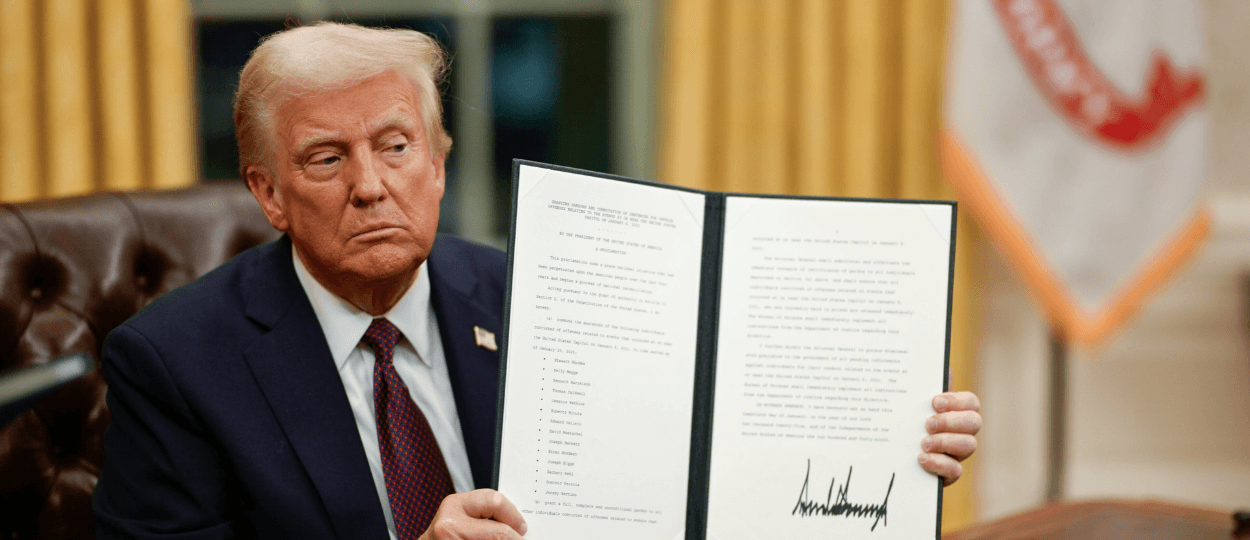
Sources close to the process have indicated that action could be taken as soon as today, with one stating, “Today’s the day,” while cautioning that “some process” still remains. The push for rescheduling follows a December executive order from President Trump, urging the attorney general to expedite the process. During a recent signing ceremony for a psychedelics order, Trump publicly pressed officials, saying, “You’re going to get the rescheduling done, right, please?”
The journey toward rescheduling has spanned multiple administrations. The Biden administration initiated a formal cannabis policy review in 2022, and in 2023, Health and Human Services recommended moving cannabis to Schedule III, citing accepted medical use. However, the process stalled at the DEA, with hearings delayed and no conclusion before Trump assumed office for his second term. Currently, cannabis is classified alongside heroin and LSD as a Schedule I drug, but Schedule III would recognize its medical value while maintaining federal control
If enacted, rescheduling would have meaningful—though limited—impacts for the cannabis industry. The most immediate benefit would be the removal of IRS code 280E restrictions, which currently prevent cannabis businesses from deducting ordinary business expenses. This change could provide substantial tax relief and improve access to capital for operators. However, the move does not legalize cannabis, permit interstate commerce, expunge criminal records, or alter workplace drug testing policies. As High Times notes, “It is not the end of federal prohibition, it does not repair the damage done by the war on drugs, and it does not free a single person still incarcerated for cannabis.”
The regulatory process is not yet complete. The Drug Enforcement Administration must still finalize the rule through its formal rulemaking process, which may include administrative hearings and is likely to face legal challenges. Congressional opposition remains, with two Republican senators having filed an amendment to block rescheduling earlier this year, though it was not adopted. Acting Attorney General Todd Blanche has stated he will “give the matter careful consideration after conferring with all relevant stakeholders.”
From the OG Lab newsroom perspective, this prospective rescheduling is a watershed moment for the U.S. cannabis industry, offering long-awaited tax relief and a formal acknowledgment of cannabis’s medical value. However, the move leaves intact federal prohibition and many of the legal barriers faced by patients and businesses. The industry and advocates will be closely watching the DEA’s next steps and any ensuing legal or political challenges, as the debate over full legalization and broader reform continues to evolve