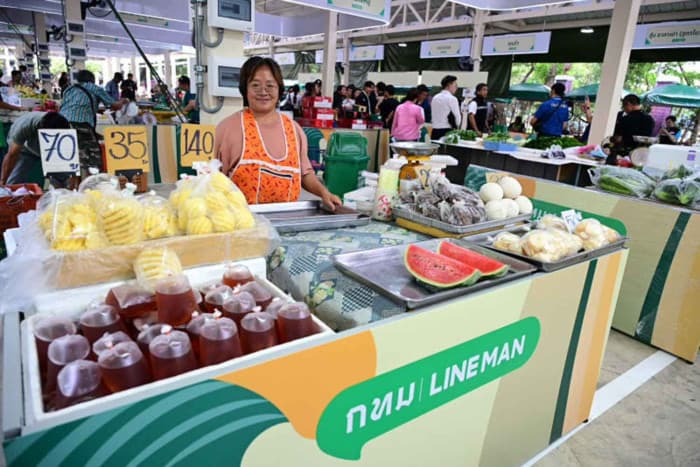
Bangkok Launches First CBD Hawker Centre, Boosting Vendor Security and Urban Access
Bangkok's first CBD hawker centre has offered food vendors secure business space and improved urban walkability, marking a milestone in the city's efforts to modernize street food culture
Key Points
- 1Lumpini Hawker Centre is Bangkok's first official hawker centre in the central business district, opening on April 10
- 2The centre accommodates 88 vendors per shift in eco-friendly stalls, operating from 5am to midnight
- 3Vendors pay 60 baht per day in rent, enabling affordable pricing and business sustainability
- 4The BMA plans to open three to four more full-scale hawker centres, currently in the design phase
- 5The centre's model is inspired by Singapore's hawker centres and aims to improve walkability and vendor security
Bangkok's central business district has welcomed its first official hawker centre, the Lumpini Hawker Centre, offering a secure and regulated space for food vendors while enhancing urban planning and pedestrian accessibility. Located on Ratchadamri Road, the new centre accommodates 88 vendors per shift in eco-friendly stalls, operating from 5am to midnight and providing a modern alternative to informal street vending. This initiative is part of the Bangkok Metropolitan Administration's (BMA) broader efforts to reorganise sidewalks and improve city life for both residents and visitors
The Lumpini Hawker Centre stands out for its modern amenities, including centralized dishwashing systems, designated waste collection zones, and eco-conscious stall designs. Vendors rent space at an affordable 60 baht per day, a move that has helped keep food prices competitive while ensuring business sustainability. While some stalls have raised prices slightly by 5 to 10 baht, customers remain satisfied with the food quality, with one noting, “It’s a small increase, but the taste remains the same, so it’s acceptable.”
For vendors, the transition to the hawker centre has brought newfound stability and transparency. Many expressed relief at no longer facing informal street fees or the threat of forced relocations. “I feel much more secure now that I can manage my savings properly. I no longer have to worry about unexpected costs during forced closures or unofficial payments,” said one vendor. The six-month rental agreements are also credited with helping instill discipline and ensure compliance with regulations, as highlighted by a beverage stall owner: “With proper supervision, those who violate the rules will not have their contracts renewed.”
The BMA’s hawker centre model draws inspiration from Singapore’s internationally recognized approach, which organizes street food vendors into regulated communal spaces. This not only improves walkability and accessibility—especially for the elderly and people with disabilities—but also preserves the city’s vibrant street food culture. According to BMA spokesman Aekvarunyoo Amrapala, “At present, three to four additional full-scale centres are in the design phase, with Lumpini designated as the first major project within the central business district.” Feedback from vendors and customers during the soft launch has prompted ongoing adjustments to seating layouts to address congestion during peak hours
The Lumpini Hawker Centre currently hosts 110 stalls offering a variety of freshly prepared meals, snacks, and apparel, with most vendors being established operators. According to the BMA, the centre has seen strong demand since its launch on April 10, despite not being fully operational post-Songkran holidays. The project is a cornerstone of the BMA’s larger policy framework, which encompasses over 216 initiatives spanning safety, transparency, and economic development. As BMA spokesman Amrapala emphasized, “BMA policy is designed to foster mutually beneficial outcomes for vendors and regulators, rather than merely providing physical space.”
From the OG Lab newsroom perspective, the success of the Lumpini Hawker Centre signals a significant evolution in urban food policy, blending cultural preservation with modern governance. If replicated effectively, this approach could serve as a model for cities worldwide seeking to balance vibrant street economies with public order and accessibility. As Bangkok moves forward with additional hawker centres, the industry will be watching closely to see how these innovations impact both vendors and the broader urban landscape