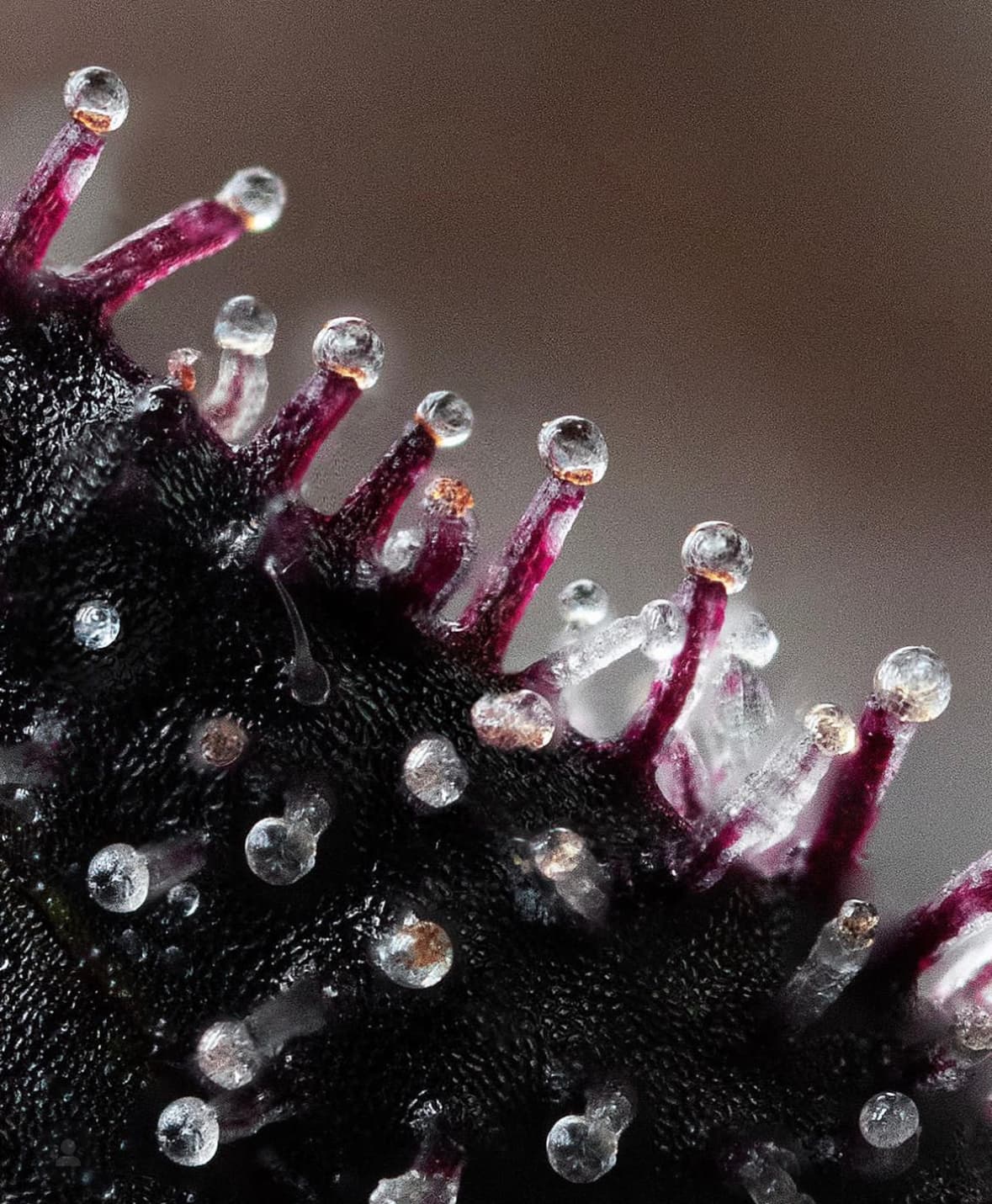
Experts Highlight Key Differences Between Cannabis Terpenes and Artificial Flavors
Industry experts warn that artificial flavors in cannabis products may deliver intense but fleeting effects, while natural terpenes provide a fuller, more satisfying sensory experience
Key Points
- 1Terpenes modulate the cannabis experience by interacting with human neurobiology, influencing mood and perception
- 2Artificial flavors are engineered for immediate impact, triggering dopamine and potentially leading to repetitive use
- 3Experts caution that artificial flavors can mask product quality and disrupt natural sensory feedback
- 4Reducing consumption of artificial flavors can help consumers rediscover the nuanced effects of natural terpenes
The cannabis industry is experiencing a wave of innovation in flavor profiles, but experts caution that not all sensory experiences are created equal. As new, intensely sweet and dessert-inspired flavors attract a broader consumer base, the distinction between natural terpenes and artificial flavors becomes increasingly significant. According to industry leaders, terpenes play a crucial role in shaping the effects of cannabis, while artificial flavors may deliver an immediate impact but lack the depth and metabolic resonance of natural compounds
Daniel Cook, CEO of True Terpenes, emphasizes the importance of terpenes as more than just aromatic molecules. "Terpenes are modulators of experience," Cook explained, noting that these compounds evolved in plants as part of defense and communication systems and, in humans, interact with receptors that influence mood, alertness, and perception. "It’s not mysticism: it’s chemistry and neurobiology working together," he added, underscoring the scientific basis for terpenes' unique effects
The rise of highly engineered artificial flavors, designed to trigger the brain's dopamine reward system, marks a departure from the gradual, layered experience offered by natural terpenes. Cook explains that artificial flavors "trigger the brain’s reward circuitry — especially dopamine — by delivering intense sensory signals without the contextual cues the body expects." This can create a sensory urgency similar to the effect of sugar, providing a quick rush but often leading to a cycle of repeated use as the experience quickly fades
A key concern raised by experts is that artificial flavors can mask the true quality of cannabis products, functioning as "chemical cosmetics" that obscure rather than highlight natural cues. Cook draws a parallel to cosmetics, stating, "When aroma is used to mask instead of signal quality, consumers lose an intuitive feedback mechanism that would otherwise guide good choices." This masking effect can disrupt the body's natural anticipation of nutrients and satisfaction, sometimes leaving users feeling unsatisfied and seeking more
Despite the prevalence of artificial flavors, there is hope for consumers who wish to rediscover the nuanced experiences that natural terpenes provide. Cook reassures that "when people reduce their intake of ultra-flavored products, their senses tend to reset. Flavors and aromas that once felt muted start to become vivid again." This process can reawaken appreciation for the subtle, complex layers of cannabis, allowing users to enjoy a more satisfying and stabilizing experience as their palate adjusts
From the OG Lab newsroom perspective, the distinction between natural terpenes and artificial flavors is increasingly relevant as the cannabis market matures. Understanding how these compounds affect both the sensory and neurological aspects of cannabis use will be crucial for producers and consumers alike. As innovation continues, the industry faces a pivotal moment: whether to prioritize fast-hitting intensity or preserve the authentic, layered experiences that have long defined cannabis culture