Pentagon Publishes Declassified UFO Files as Cannabis Advocates Promote Home Cultivation for Resilience
The Pentagon has released its first set of declassified UFO files under the PURSUE program, prompting cannabis advocates to highlight home cultivation as a strategy for resilience and personal sovereignty
Key Points
- 1The Department of War released the first tranche of declassified UAP files on May 8, 2026, under the PURSUE program
- 2The release includes Apollo mission imagery, FBI infrared stills, and decades of unresolved UAP cases
- 3Officials including Tulsi Gabbard, Kash Patel, and Jared Isaacman endorsed the release, with more files to follow
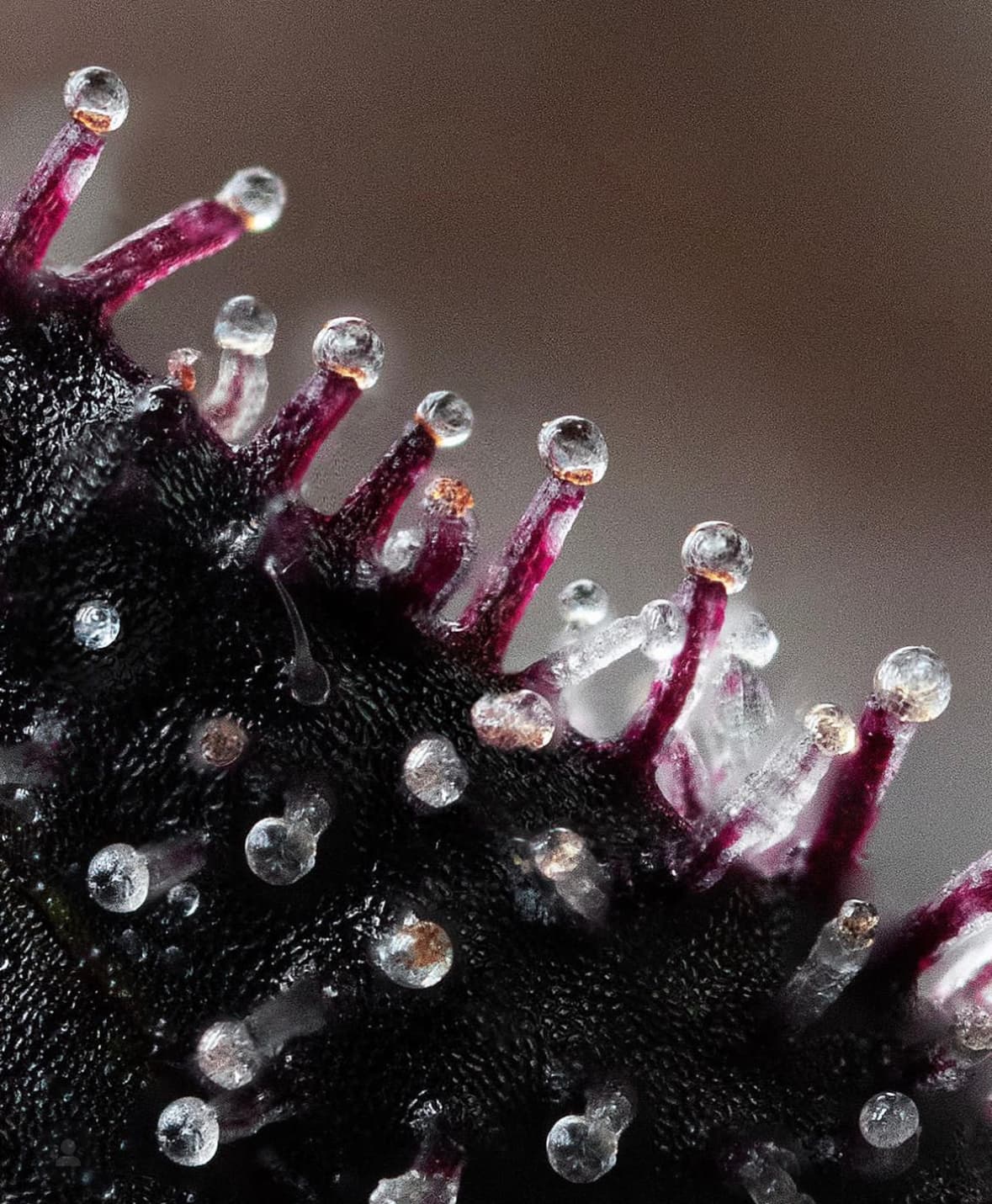
- 4Cannabis advocates promote home cultivation as a means of maintaining sovereignty and stability amid public anxiety
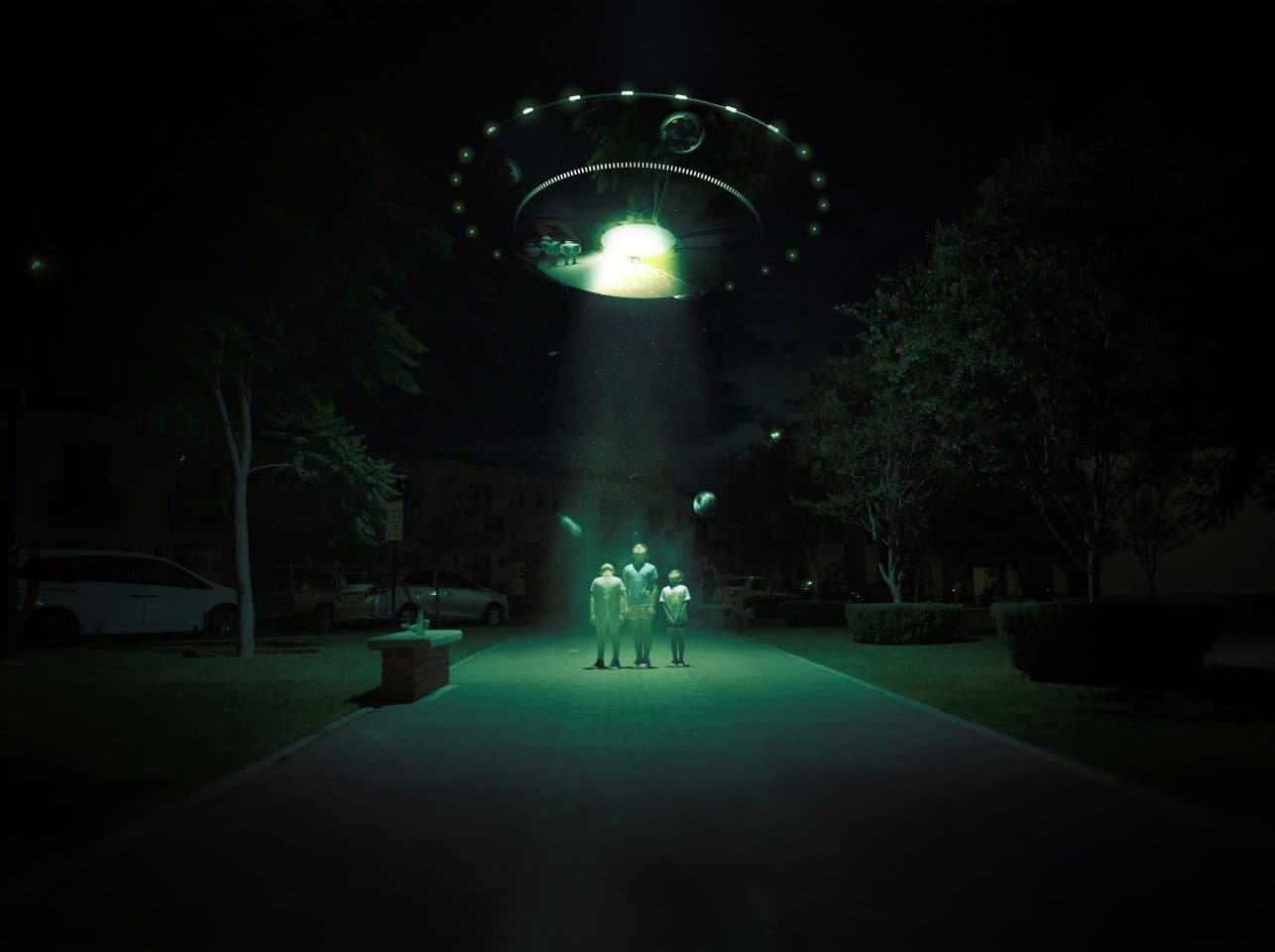
In a groundbreaking move on May 8, 2026, the U.S. Department of War released the first batch of declassified unidentified aerial phenomena (UAP) files, marking a historic moment for both government transparency and public curiosity. This initial release, part of President Donald Trump’s PURSUE program (Presidential Unsealing and Reporting System for UAP Encounters), includes rare Apollo 12 and Apollo 17 mission images, FBI infrared stills, and a Department of War archive of 17 visual assets spanning decades of unresolved UAP cases. The release was endorsed by Director of National Intelligence Tulsi Gabbard, FBI Director Kash Patel, and NASA Administrator Jared Isaacman, with assurances that further disclosures will follow on a rolling basis
The Pentagon’s public statement emphasized, “The American people can now access the federal government’s declassified UAP files instantly. No clearance required.” This unprecedented level of openness comes as politicians and the public alike grapple with the implications of possible extraterrestrial contact, with years of speculation now replaced by a tangible government portal. As the internet buzzes with theories and anticipation, cannabis advocates are urging individuals to remain calm and grounded, turning attention to the simple act of growing one’s own cannabis as a means of personal sovereignty and stability
High Times highlights how, amid the swirl of exopolitical speculation and public anxiety, cannabis cultivation emerges as a symbolic and practical anchor. The article points to a timeline of political engagement with the UFO issue, from Barack Obama’s cryptic refusals on late-night television to Bill Clinton’s musings about an Independence Day-style encounter, and Donald Trump’s promotion of declassified files. Former Director of National Intelligence John Ratcliffe added, “We’re talking about objects ( ) that engage in actions that are difficult to explain, movements that are hard to replicate, that we don’t have the technology for.”
As the world contemplates the societal impact of potential extraterrestrial revelations, High Times frames home cannabis cultivation as more than a hobby—it is positioned as a form of resilience in the face of uncertainty. “Your ability to produce medicine and relief can keep you out of the line of the desperate and, conversely, place you among the providers,” the article asserts. The piece imagines a scenario where, if social or economic order falters, homegrown cannabis could become a vital resource, even a tool for cosmic diplomacy or community barter
The release of these files is only the beginning, with more disclosures scheduled in the coming months. As governments prepare for further public reaction and speculation intensifies, cannabis growers are encouraged to focus on their gardens, maintaining calm and independence. From the OG Lab newsroom perspective, this moment underscores the enduring value of self-sufficiency and the unique role cannabis can play as both a source of personal wellness and a symbol of preparedness in times of global uncertainty. The intersection of exopolitics and cannabis culture may seem unconventional, but it highlights the ways in which communities seek stability and meaning amid historic revelations