Indiana Patient Credits Illegal Cannabis for Ending Opioid Dependency Amid State Prohibition
An Indiana patient credits illegal cannabis with helping him break free from opioid dependency while the state continues to prohibit its use, highlighting a growing call for drug policy reform
Key Points
- 1An Indiana patient experienced opioid dependency after years of legal hospital-administered painkillers
- 2He credits cannabis, which remains illegal in Indiana, with ending his cycle of hospitalizations and dependency
- 3Neighboring states have moved toward cannabis legalization or medical programs, while Indiana maintains prohibition
- 4The patient’s story highlights the contradiction between legal opioid use and the criminalization of cannabis
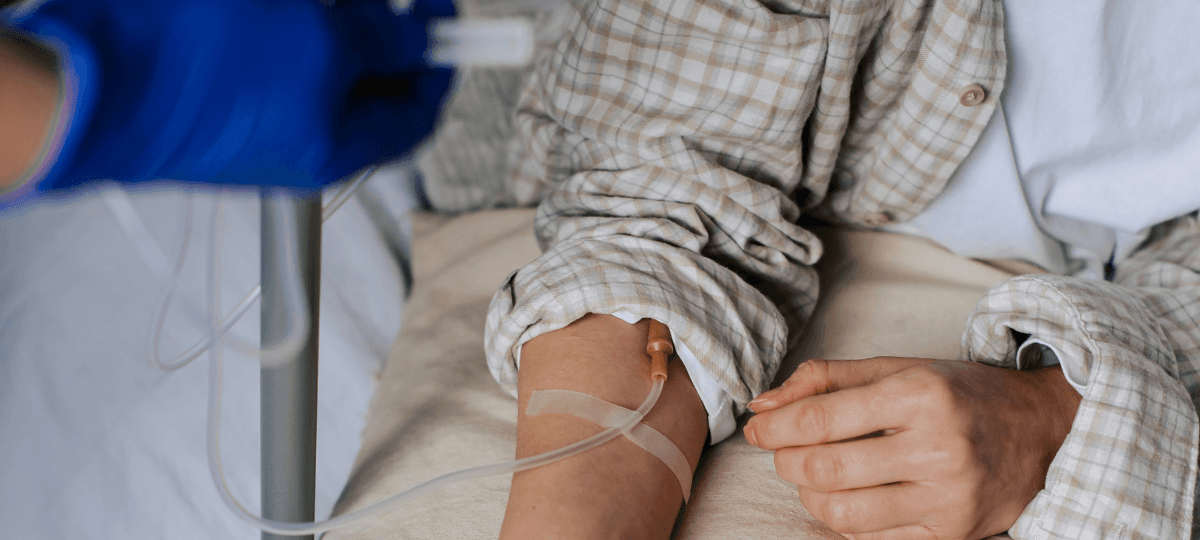
In Indiana, a state where cannabis remains illegal, one patient’s story highlights the complex contradictions at the heart of drug policy. While powerful opioids like morphine, fentanyl, and Dilaudid were routinely administered to him in hospitals, the plant that ultimately helped him break free from a dangerous cycle was outlawed. From 2014 to 2019, his life became a series of hospital admissions, each visit marked by legal opioid treatments that quietly fostered dependency. "I wasn’t chasing a high. I was a patient, and I trusted the system," he reflected, describing how the cycle of illness and treatment became his new normal
The patient, who watched the opioid epidemic devastate friends and family, began to question the system only after years of exhaustion and emotional pain. Despite not seeking recreational drugs or street opioids, he realized his experience mirrored those lost to addiction. The turning point came during a deeply personal moment with his young granddaughter, which forced him to confront the reality of his situation. "If nothing changed, the cycle I was trapped in was eventually going to kill me," he recalled, underscoring how personal stakes can drive the search for alternatives
Cannabis, though illegal in Indiana, became the alternative that finally offered relief. Approaching it cautiously and without intent to get high, he noticed marked improvements in sleep, anxiety, and overall stability. "Cannabis didn’t erase the past, and it wasn’t a miracle cure. But it gave me something I hadn’t had in years: a way forward," he said, emphasizing the plant’s role in ending his hospital readmissions. This experience stands in stark contrast to the legal status of opioids, which had been dispensed under medical supervision despite their high risk of dependency
As Indiana continues to enforce strict cannabis prohibition, neighboring states like Michigan, Illinois, Ohio, and Kentucky have moved toward legalization or medical programs. Despite these shifts, Indiana’s policies have not evolved, even as the opioid crisis persists. The patient’s story illustrates the disconnect between legal frameworks and lived experience, raising questions about why a plant that aided his recovery is still criminalized. "The drugs I trusted were legal. The plant that helped me was not," he pointed out, encapsulating the dilemma faced by many patients in prohibition states
The opioid epidemic remains a pressing issue across the U.S., with no one-size-fits-all solution to addiction and recovery. While the patient doesn’t claim cannabis is a universal remedy, his experience suggests that alternative treatments warrant honest consideration. "Ignoring tools that may help people reduce harm doesn’t solve anything either," he noted, advocating for a more nuanced approach to drug policy. His story is a call for broader conversations about harm reduction and patient autonomy, particularly in states resistant to change
For the global cannabis industry, this testimony underscores the human cost of restrictive drug laws and the potential for cannabis to serve as a harm reduction tool. From the OG Lab perspective, Indiana’s continued prohibition stands in stark contrast to evolving science and policy trends elsewhere. This development is worth watching as more patients and advocates push for reform, challenging lawmakers to reconcile public health needs with outdated legal frameworks