Trump Nominates Nicole Saphier as Surgeon General, Sparking Debate Over Cannabis Health Risks
President Trump’s nomination of Dr. Nicole Saphier as surgeon general has sparked debate over her concerns about marijuana risks, even as she acknowledges some medical benefits
Key Points
- 1President Trump nominated Dr. Nicole Saphier as surgeon general
- 2Saphier claims marijuana use is linked to gynecomastia or 'man boobs.'
- 3She acknowledges medical cannabis can have benefits for certain conditions
- 4Saphier warns legalization may increase youth use and mental health risks
- 5Her nomination coincides with federal movement to reschedule marijuana
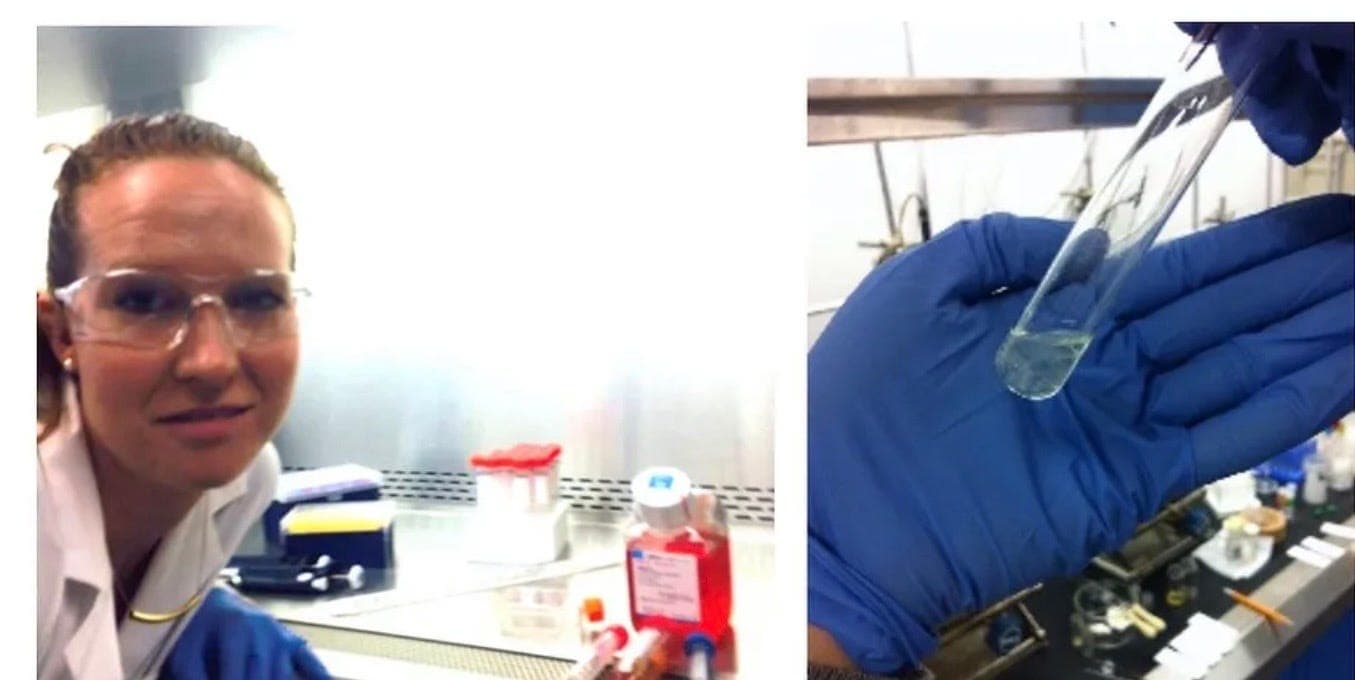
President Donald Trump has nominated Dr. Nicole Saphier, a breast radiologist and director of breast imaging at Memorial Sloan Kettering, as the next surgeon general of the United States. Saphier's appointment has drawn attention due to her outspoken views on marijuana, with past statements highlighting both potential medical benefits and significant health risks associated with cannabis use. Her comments are especially notable given the ongoing federal movement toward rescheduling marijuana, although the surgeon general does not directly oversee drug scheduling decisions
Dr. Saphier has been vocal about the dangers she perceives in marijuana consumption, particularly among youth. In a 2019 Fox News op-ed, she wrote, “As a medical doctor I know that marijuana is far from harmless and can have serious damaging effects on the health of users.” She expressed concern that legalizing marijuana for adults sends a message to children that its use is risk-free, a stance she has reiterated in multiple public appearances
One of Saphier’s more controversial claims is the assertion that cannabis use is “directly linked” to gynecomastia, or the development of enlarged breasts in men, commonly referred to as 'man boobs.' “As a breast radiologist, the first question I ask men when they come in because of enlarging breasts is whether they currently smoke marijuana or have smoked it in the past. Many times, the answer is ‘yes,’” she stated. She has also cited other health risks, including breathing problems and cardiovascular disease, associated with cannabis use
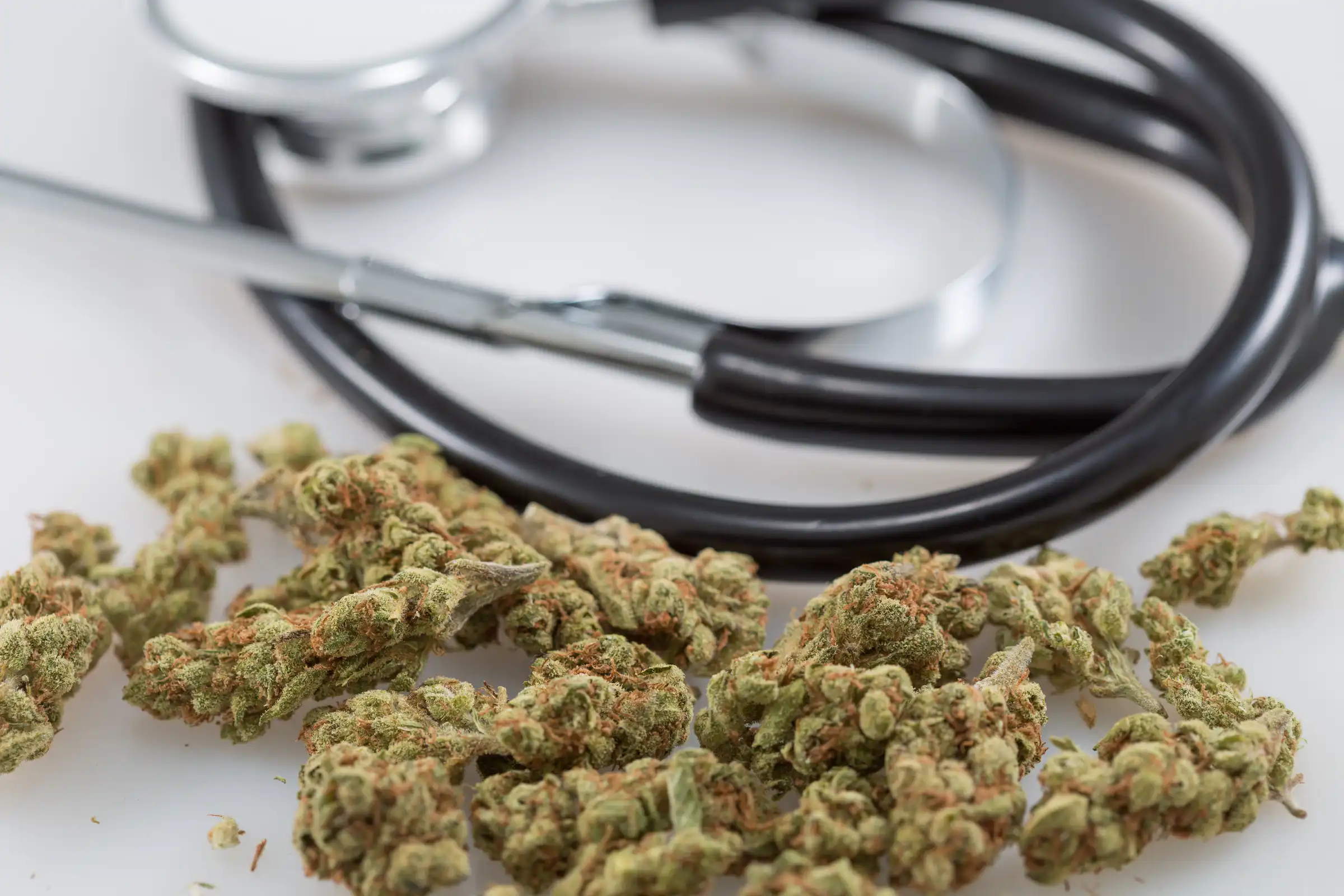
Despite her critical view of recreational marijuana, Saphier has acknowledged the therapeutic potential of certain cannabis-derived compounds. On a recent podcast, she said, “Sure, there’s evidence supporting cannabinoids for chemotherapy induced nausea, certain seizure disorders, chronic pain syndromes, multiple sclerosis,” but cautioned that this is different from endorsing widespread recreational use, particularly among young people whose brains are still developing. She also differentiated between THC and CBD, suggesting that low-dose, non-inhaled CBD may pose fewer health concerns
Saphier has warned that increased legalization may drive higher rates of use among youth, potentially leading to addiction and mental health issues. “One on six kids who try it, they become addicted. Cannabis use in kids, four time the risk of psychoses,” she said in a media interview, emphasizing her belief that normalization of cannabis can have unintended public health consequences. Her nomination comes at a time when the role of the surgeon general is increasingly seen as pivotal in shaping public health discourse on drug policy
From the OG Lab newsroom perspective, Saphier’s appointment could shape national conversations about cannabis risks and benefits, especially as federal attitudes toward marijuana shift. Her dual stance—acknowledging medical uses while warning of recreational dangers—may influence public messaging and policy debates. The cannabis industry and public health stakeholders should closely monitor how her views may impact future educational campaigns and regulatory discussions