Jadakiss and Dynasty Commodities Celebrate Legal Cannabis Milestone in Harlem
Jadakiss and Dynasty Commodities marked a new era for Harlem as their legal dispensary celebrated its anniversary with a 4/20 event, reflecting the city’s dramatic shift from prohibition to community-driven cannabis commerce
Key Points
- 1Jadakiss recalled his early cannabis experiences and recording sessions with rap legends during New York's prohibition era
- 2Dynasty Commodities, co-founded by Rich Jospitre, overcame significant regulatory and financial hurdles before opening in Harlem
- 3The dispensary's anniversary event attracted 1,500 to 2,000 people and featured appearances by major music artists
- 4Jospitre emphasized his commitment to community initiatives, including after-school programs funded by the dispensary
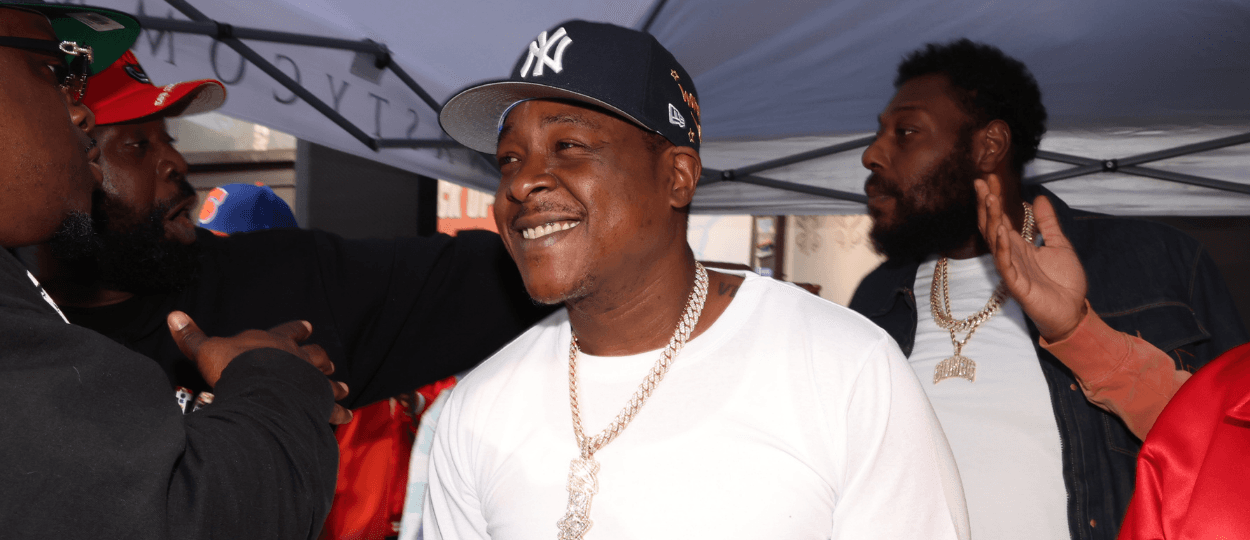
Decades after recording with rap icons and dodging police for cannabis in New York, Jadakiss now finds himself at the center of Harlem’s evolving cannabis scene. The legendary rapper recently celebrated the anniversary of Dynasty Commodities, a licensed dispensary co-founded by Rich Jospitre, underscoring the dramatic transformation from an era of street risk to legalized, community-rooted commerce. What was once a covert act is now a public celebration, drawing crowds and celebrities to Frederick Douglass Boulevard for 4/20 festivities without fear of legal repercussions
For Jadakiss, cannabis has been part of his life since adolescence, evolving from a teenage habit into a source of creative inspiration and anxiety relief. Reflecting on his storied career, he recalls iconic sessions with artists like Notorious B.I.G., Snoop Dogg, and Method Man. "We had our own Rolling Loud before Rolling Loud even existed," Jadakiss told High Times, highlighting the communal, albeit clandestine, nature of cannabis culture in the '90s. He notes the stark contrast between then and now, emphasizing the safety and accessibility of today’s market
Rich Jospitre, Dynasty Commodities’ co-founder, approaches cannabis from a business perspective shaped by decades in retail and music management. Jospitre, who does not consume cannabis himself, saw legalization as a unique market opportunity, likening it to the end of alcohol prohibition. "I knew there was a lot of money in the cannabis industry," he said. Yet, the path to opening Dynasty Commodities was far from smooth: two years of paying $20,000 a month in rent before receiving a license tested his resolve and finances
Despite the financial hurdles, Jospitre’s vision for Dynasty Commodities was clear—an upscale dispensary that defies the stereotypes of bodega-style shops, with marble walls and a community-focused mission. The dispensary’s anniversary event drew 1,500 to 2,000 attendees, including music luminaries like Remy Ma and Jim Jones, all gathering in a spirit of celebration and unity. Jospitre’s commitment to the local community is evident through nonprofit initiatives supporting after-school programs, demonstrating that successful cannabis ventures can also give back
Jadakiss remains rooted in the old-school ethos, favoring strong flower over trends and dismissing THC percentages as the sole measure of quality. "I don’t really get caught up in the THC percentages," he said, preferring to trust his palate rather than marketing labels. Both Jadakiss and Jospitre highlight the generational shift—where once cannabis meant risk and secrecy, it now means opportunity and openness, though the business remains challenging and competitive
From the OG Lab perspective, Harlem’s transformation into a legal cannabis hub—anchored by figures like Jadakiss and business leaders like Jospitre—signals a significant cultural and economic shift for New York. As legacy users and entrepreneurs continue to shape the market, the interplay between community impact, regulatory hurdles, and industry ambition will be critical. The story of Dynasty Commodities is emblematic of how legalization can bridge past struggles with new opportunities, and will be closely watched as the market matures